Humble Contributions to the Peoples' History

Friday, April 24, Hydra, Greece

The Star Clipper anchored off the coast of Hydra, an island of green rugged hills, barren and wild. The top of the cliffs looked like wonderful places to walk, and I knew then my day would include hike on one of the seaside paths. The crew prepared the tenders for our last view of the ship in full sail. A sailing ship is a work of art–the design, the grace, the elegance as the clipper floats majestically on the sea. The sails fluttered, and the sun lite up the white sails against the blue sky. The crew stood on the bowsprit, while camera buffs in the tender snapped away to keep the memory of the dramatic scene.

I had found a group of friends while on the clipper, and together we stepped down the clattering steps of the gangplank for the ride in the tender to the island. A small bay of the Argosaronic Gulf surrounds Hydra, shaped like an amphitheater.

Donkeys and their escorts lined the wharf area, and from that moment, a donkey obsession possessed me. I took photographs and videos of any donkey that clip-clopped by. I couldn’t help myself . . . where else in the world are donkeys the only means of transport? Laws forbid motorized vehicles on Hydra, making the island a quiet and peaceful place. Continuous steps took us down the alleys and more steps led us back up again. We wandered the narrow cobblestone streets looking in the shop windows.

We turned the corner around to the other side of town and walked to a lovely little café with expansive views of the bay and our Star Clipper outlined against the blue hazy mountains. As I sat down at the table, I felt like I had become part of a painting. Was this real? Was this a dream? It seems so now. We sipped our drinks as we shared stories and wondered at the visual splendor before us.

I  explored the trail that went through the hamlets along the coast. Well-laid gray stones provided the path, and yellow daisies in their finest display gathered on either side of the walkway. I could not believe the beauty of this island, as I came across whitewashed villages, with traditional architectural elements, such as doors in stone walls with vines toppling over wooden arches. Donkeys grazed on grassy knolls and roosters crowed. I came to a pointed arched bridge, and then turned around to walk back along the seaside trail.

My day spent with friends on Hydra was a good day.

http://me.sh/ynfzkd0

Weekly Photo Challenge: Today was a Good Day

When I view guns, the visions that come to me are the imagined stories embedded in the metal. An object shaped into a weapon extinguishes life’s light and holds the memory of someone’s loss–a son, daughter, mother, father, brother, sister. We don’t know the history of these guns, but we do know that misery accompanied their journey.

IMG_4718

Weekly Photo Challenge: Creepy

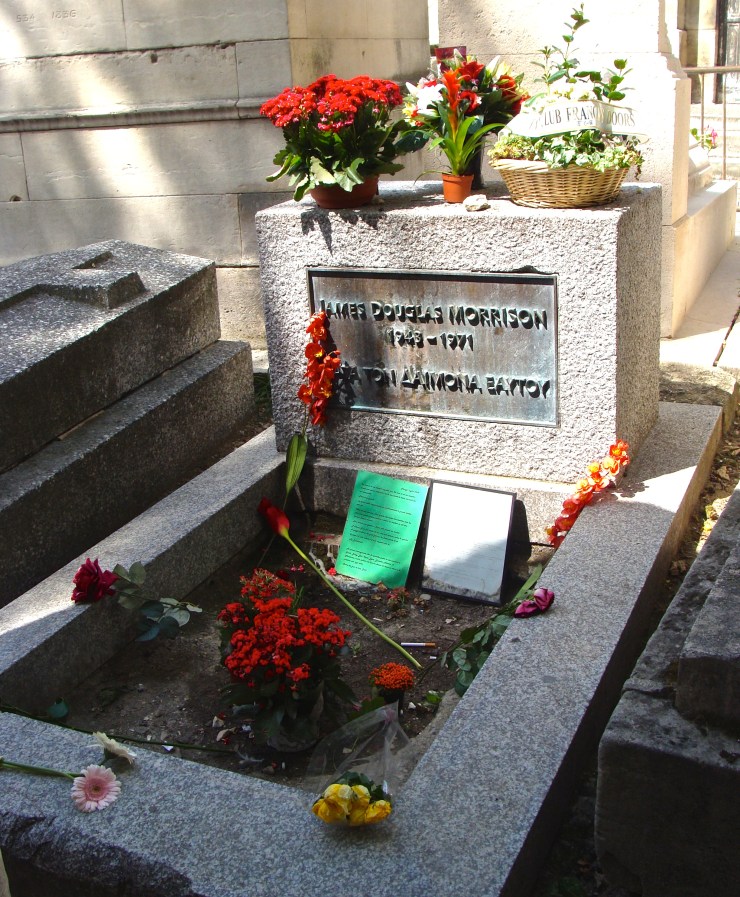
The Crystal Ship

Before you slip into unconsciousness
I’d like to have another kiss
Another flashing chance at bliss
Another kiss, another kiss

The days are bright and filled with pain
Enclose me in your gentle rain
The time you ran was too insane
We’ll meet again, we’ll meet again

Oh tell me where your freedom lies
The streets are fields that never die
Deliver me from reasons why
You’d rather cry, I’d rather fly

The crystal ship is being filled
A thousand girls, a thousand thrills
A million ways to spend your time
When we get back, I’ll drop a line

– The Doors, 1967

DSC01615

Weekly Photo Challenge: Beneath Your Feet

The Philadelphia Photo League sponsored a walk, “Meandering with Mike, West Philly Edition,” and I welcomed this opportunity to add to my other West Philly posts:

A Corner in West Mt. Airy
Joy of Books: Bindlestiff in West Philly
Art Imitating Life

IMG_1488

Stepped off the trolley at 43rd Street, which intersects Clark Park, and on Saturday mornings the farmers’ market brings in fresh produce and other products into West Philly. I purchased a bar of lavender soap, which gave my bag a sweet fragrance every time I opened it.

IMG_1490

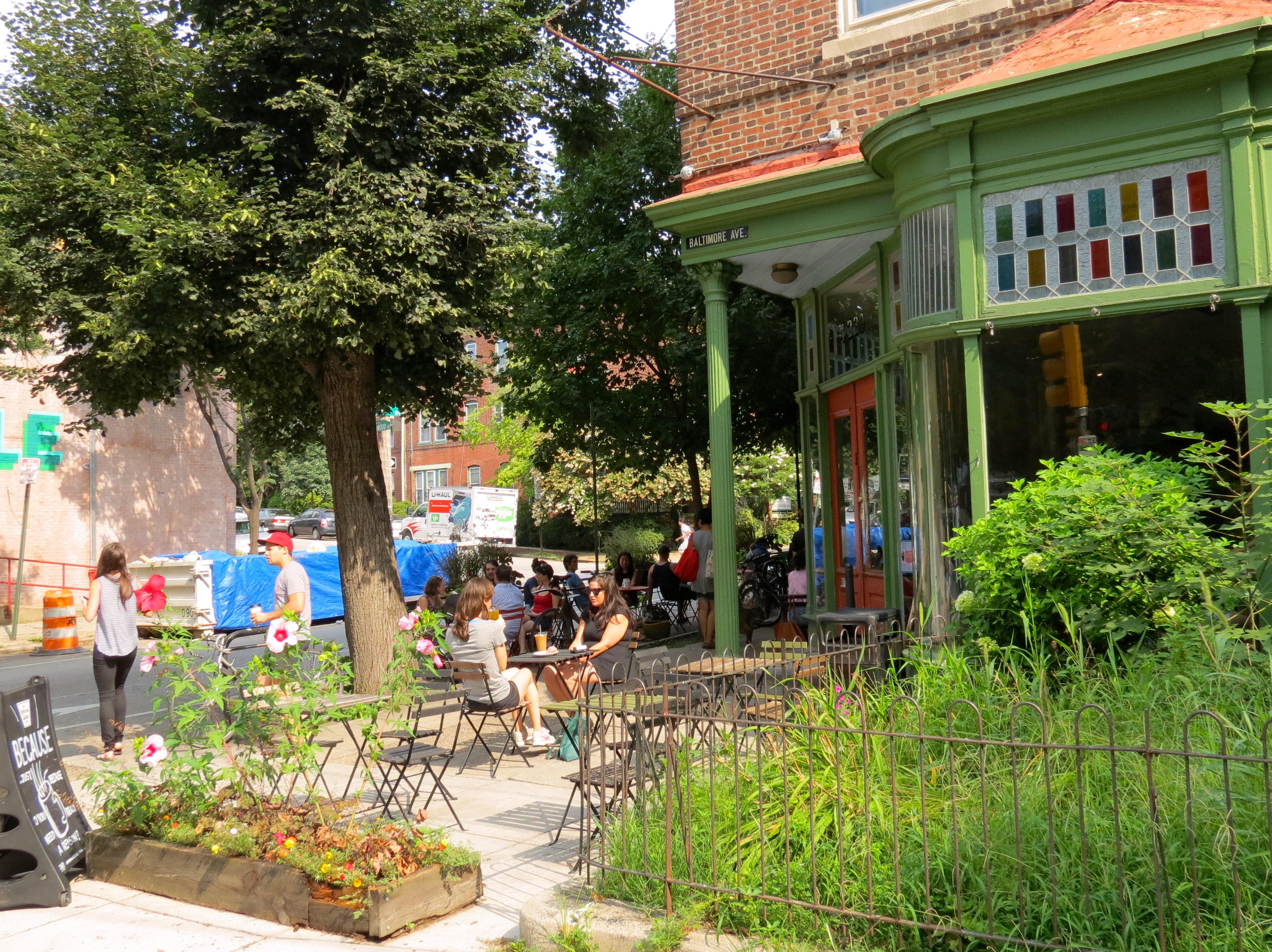
We met our leader, Mike Klusek, and fellow photographers at the Green Line Cafe, a neighborhood coffee shop at 43rd and Baltimore Avenue. After bulking up with iced coffee before we began our walk on a very warm summer’s day, we strolled along Baltimore and Springfield Avenues into the Squirrel Hill section, just west of Clark Park.

Painted Ladies

The trolley line, constructed in the late 19th century, brought development to the area, and the three-story, two-unit, Queen Anne style Victorian homes characterized many of the neighborhoods. Architectural features, such as gables, dormers, oriels and porches, and painted decorations on the homes give each their unique character. A conical tent, covered with slate shingles, topped the towers and turrets. A photographer could spend a good deal of time taking pictures of the various elements. As an artist, I especially liked the various color schemes and flourishes above the doorways. No wonder these houses have been titled the painted ladies of American architecture.

We found other architectural styles. Along the street, a series of brick row homes sported a simpler style, and a magnificent stone building, called “The Castle” wrapped around the corner of Springfield and 46th Street.

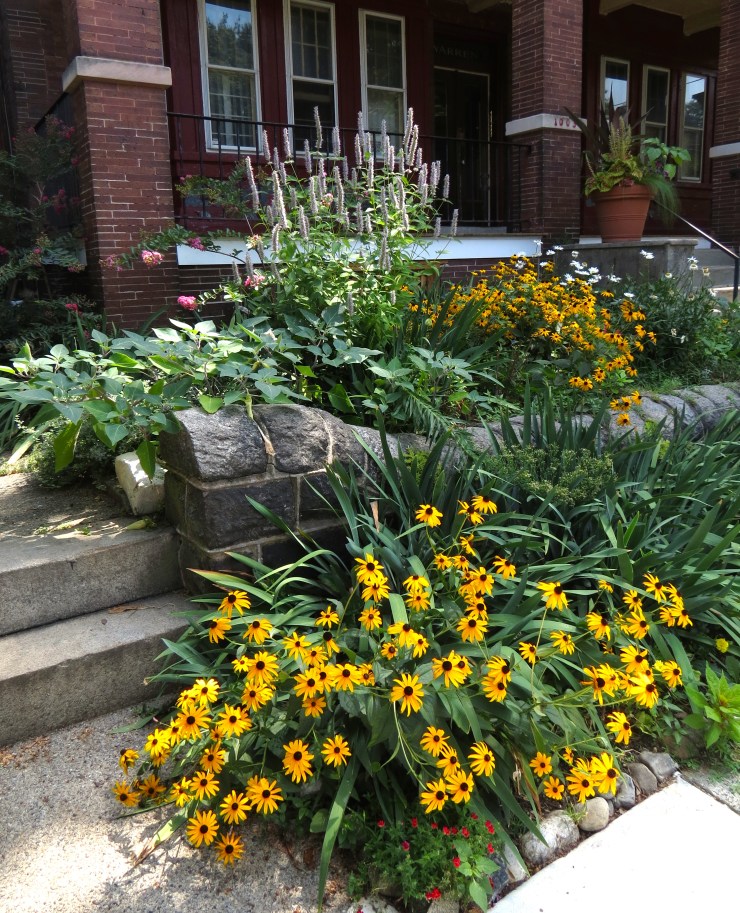
The temperature climbed to 92 degrees, but a light breeze gave some relief from the heat. Trees shaded the sidewalks, and the colorful crepe myrtles bloomed their festive pinks and purples. Philadelphia calls itself “The City of Arborly Love” and provides a free tree to residents. Residents tend gardens along the front porches giving the passerby a visual delight of color.

IMG_1510

City of Murals

In addition to being a city of trees, Philadelphia is home to more than 3,600 murals. We passed several on our stroll, including this view out a window.

Window Mural

Many windows and doors caught out attention . . . including this one with the lacy curtains.

Lacy Curtains

Community Churches

The Community of Squirrel Hill have pulled together to save the church on the corner of 47th and Kingsessing. The church was just a few days from being demolished when local residents stepped in to prevent the church’s demolition. Designed by the architect, Frank Furness, the church had fallen into disrepair but now is under construction to become two schools.

IMG_1519

Several blocks from this structure, stands one of the most important landmarks in the area, Francis de Sales Roman Catholic Church. Built in 1907 and renovated in 1968, its crowning glory is the tiled Byzantine dome. As I walked into the church a duet practiced at the organ, preparing for a wedding later that afternoon. With the music adding to the experience, a short video captures scenes from the church.

Duet: Lauren Gigliotti and Lou Becht

Pause and Play

We returned to Baltimore Avenue, passing through Cedar Park, pausing to take refreshment at Dock Street and to compare our photo notes.

Dock Street Restaurant

Later in the evening, I returned to Clark Park for their 10th anniversary of Shakespeare productions.The community gathered for the performance of The Winder’s Tale. 

Winter's Tale

The Squirrel Hill neighborhood is a jewel in the West Philadelphia crown. A visitor is treated to architecture that has survived over a hundred years requiring the residents to spend time and money on maintaining the ornate decorative flourishes on these grand Victorian homes and gardens. These efforts preserve the history of the neighborhood and the common good of the community, while giving the wandering photographer the chance to capture these moments.

Before I began posting on the Weekly Challenge, my photographs remained in their digital library, gathering electronic dust. The photo challenge, with the encouragement and suggestions of another photographer, inspire me to go back and take a second look at photos that never made it on a blog page. The challenge also provides an opportunity to view other photographer’s interpretation of the theme, which help to form new artistic approaches to taking pictures. The challenge presents the incentive to look for a photographic opportunity to fit the theme.

Once in a blue moon, I take a photograph of the blue moon, July 31, 2015.

IMG_1484

Weekly Photo Challenge: Inspiration

11130082_786614678113375_2925832056570814703_o

Joe Hill Roadshow, 100th Anniversary Tour

IWW Membership CardThe nationwide tour honoring the life of Joe Hill, presented by Crossroad Music, stopped in West Philadelphia on July 25. I just joined the I.W.W., Philadelphia Branch, and I’m now a proud, card-carrying member. This concert provided the opportunity to connect to the music of labor activism and to honor Joe Hill.

The previous post, Celebrating Joe Hill: 100th Anniversary, November 19, 1915, Part 1, provides a brief history of Joe Hill’s life and his association with the Industrial Workers of the World. 

The anniversary tour began in Chicago and will finish with their last concert in Salt Lake City. A complete listing of the tour dates is available at Joe Hill 100.com.

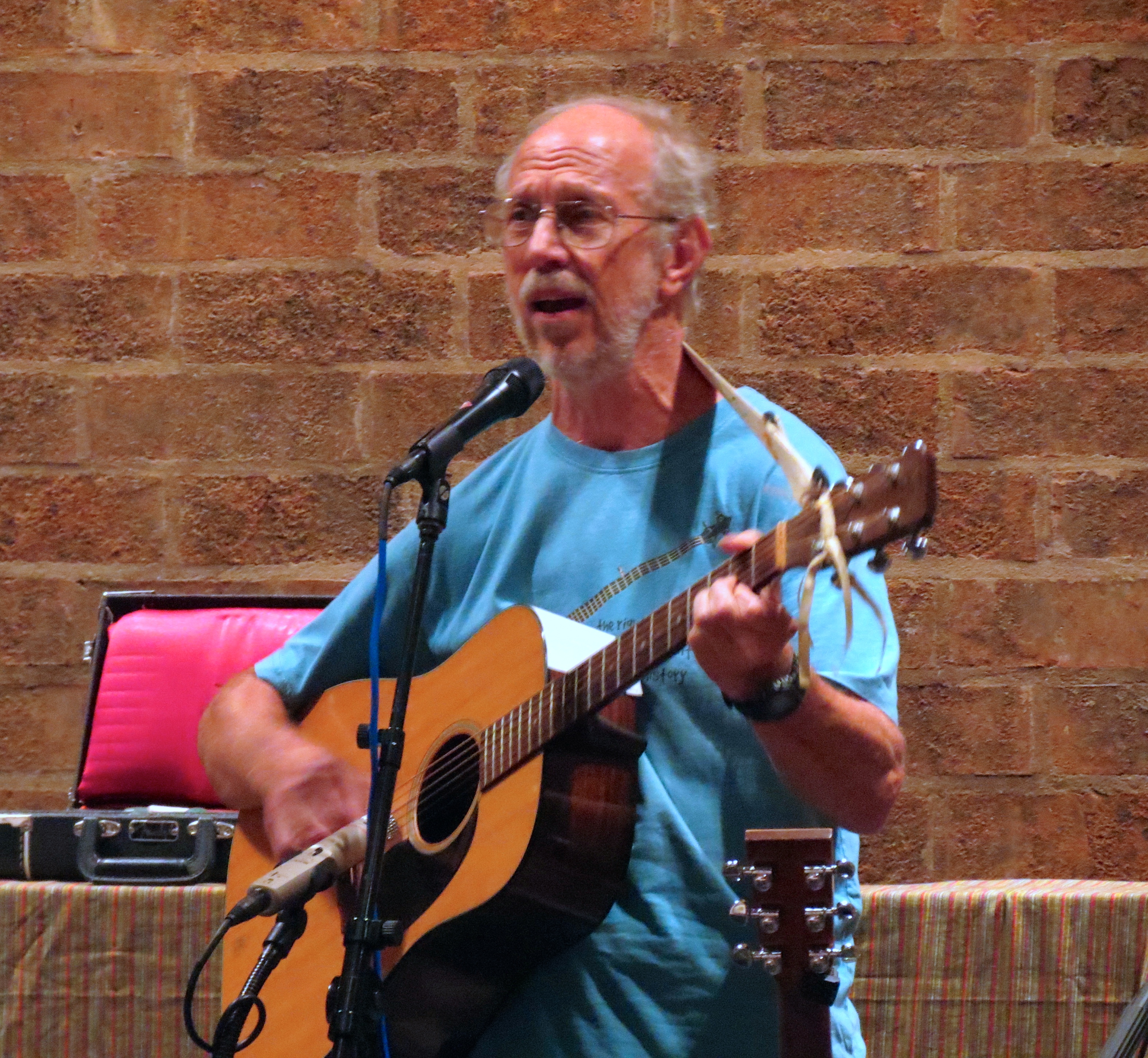
The Roadshow in Philly featured the folk duo Magpie, singer-songwriter Charlie King, and protest singer George Mann. Terry Leonino and Greg Artzner have been touring as Magpie since 1973, performing a poignant and lively mix of folk, jazz and blues. Charlie King sings and writes about the extraordinary lives of ordinary people. Pete Seeger described him as “one of the finest singers and songwriters of our time.”  Reference: Jon Bekken, Joe Hill Roadshow will be in Philly this Weekend.

Local Connection
John Braxton

John Braxton

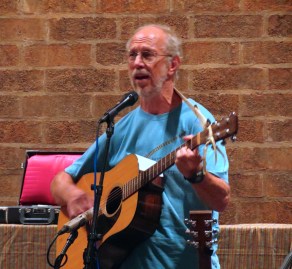
West Philadelphia resident John Braxton joined the performers. John Braxton and I have a connection through Swarthmore College.  When I was active in the living wage campaign at Swarthmore, I met John when he spoke at one of our events in 2002. At the 2010 Commencement, the college president awarded John, Class of 1970, an honorary degree of Doctor of Laws for his labor activism and as co-founder of Philadelphia Jobs with Justice Coalition. In his address to the students, John said,

We face problems on a scale that we have never faced before — but they are solvable if we don’t ignore them. The solutions require building powerful social and political movements — and people do find a way to do that even in the darkest times. Today, we have the tools to guide this process more intelligently and nonviolently. The moral arc of the universe does bend towards justice — if we harness ourselves and help it to bend. 

Bekken’s article quotes John as saying, 

Today, when the gap in wealth and income between the richest and the rest of us is greater than at any time since the 1930s, it’s a good time to remember that Joe Hill worked for justice for all workers around the world. 

The Music

IMG_1450

John Braxton, Charlie King, folk duo Magpie (Greg Artzner and Terry Leonino) , George Mann

The evening performance began with the rousing, “The Preacher and the Slave,” a song Joe Hill wrote as a parody of the hymn, “In the Sweet By-and-By” and coined the phrase “pie in the sky.” The I.W.W. targeted the Salvation Army for satire because of their illusory promises to workers:   

You will eat, bye and bye,
In that glorious land above the sky;
Work and pray, live on hay,
You’ll get pie in the sky when you die

The concert turned into a sing-a-long, as all the music is singable and many in the audience were familiar with the words.

George Mann sang, “Which Side are You On,” written in 1931 by Florence Reece, the wife of a union organizer for the United Mine Workers. Florence borrowed the melody from a traditional Baptist hymn.

Don’t scab for the bosses
Don’t listen to their lies
Poor folks ain’t got a chance
Unless they organize

“There is Power in the Union,” another song by Joe Hill, who used the tune of Lewis E. Jones’ 1899 hymn, “There Is Power in the Blood.”

If you like sluggers to beat off your head,
Then don’t organize, all unions despise.
If you want nothing before you are dead,
Shake hands with your boss and look Wise.

Come, all ye workers, from every land,
Come, join in the grand industrial band;
Then we our share of this earth shall demand.
Come on! Do your share, like a man.

Before the song, George read a letter to the editor of Solidarity from Joe Hill.

Near the end of the program, audience and musicians joined in singing “Solidarity Forever,” a song sung to the tune of “John Brown’s Body” and “The Battle Hymn of the Republic.” Although the song was written for the I.W.W, other union movements have adopted the song as their own.

They divide us by our color; they divide us by our tongue,
They divide us men and women; they divide us old and young,
But they’ll tremble at our voices, when they hear these verses sung,
For the Union makes us strong!

A progressive union since its founding in 1905, the I.W.W. has been committed to anti-racism, and at its height, counted among its supporters radical and class fighters. One hundred years ago, Joe Hill understood and advocated for social justice. His songs stay in our political consciousness, encouraging and guiding us toward one big union for all.

11059491_1568982200035612_7521309213803070944_n

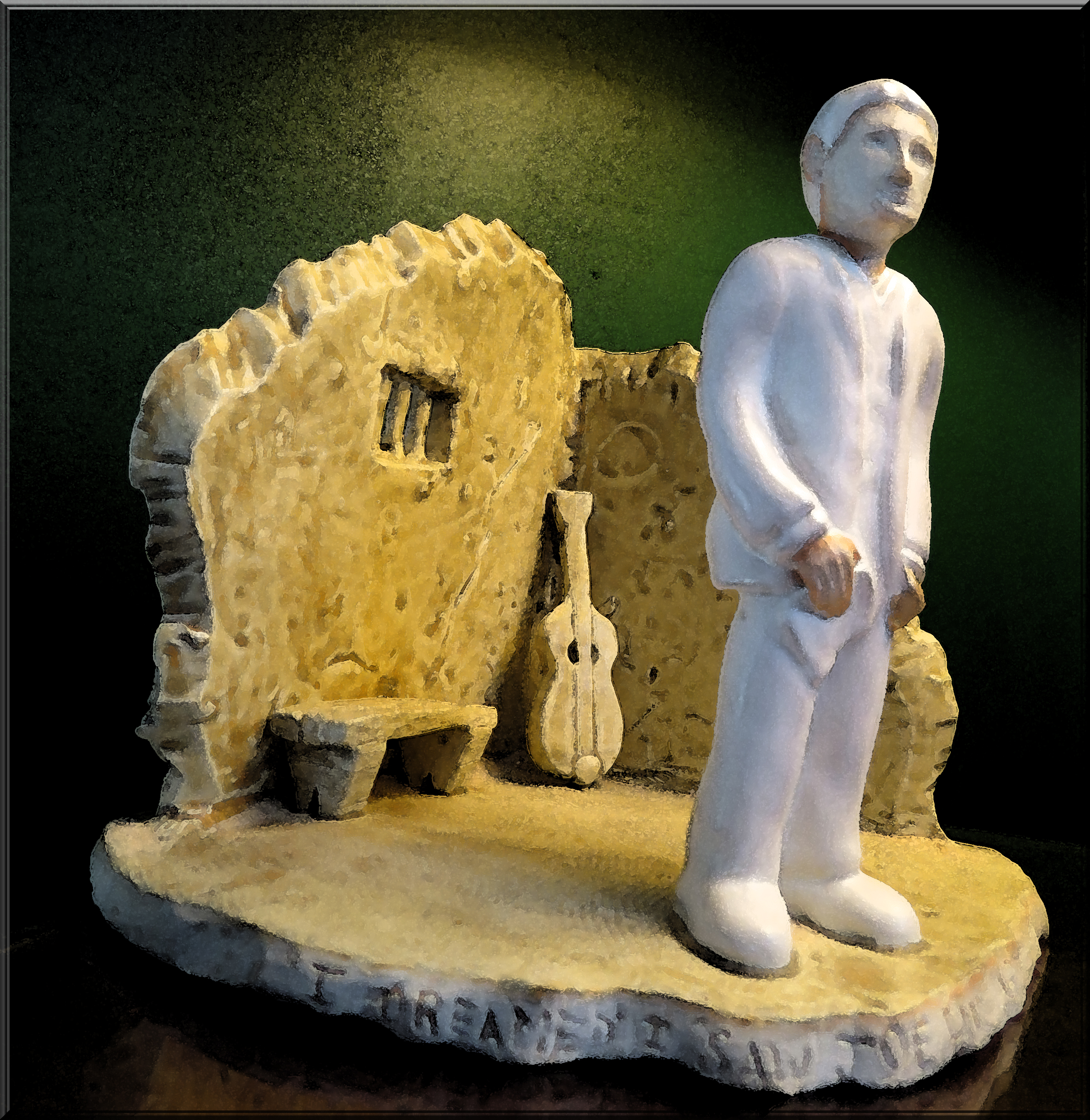
Joe Hill Watercolor Original Sculpture, I Dreamed I Saw Joe Hill, K.K., 2015

Poet Laureate of the IWW

Joe Hill, a Swedish-born, American labor activist and songwriter, wrote union songs for his organization, the Industrial Workers of the World (I.W.W.), popularly known as the “Wobblies.” The I.W.W., an international union, advocated direct action in the form of boycotts, strikes, and sabotage. However, adversaries of the I.W.W., including some historians as well as industrialists, government officials, press, and religious organizations perpetuated the idea that I.W.W. members were dangerous terrorists. Almost from the organization’s founding, its philosophy and tactics aroused intense fear and hatred among those in power. The I.W.W. garnered significant publicity during the western free speech movements of 1906-1917, resulting in hostility and fear directed toward them, unparalleled in American history.  I.W.W.’s positions advocating class conflict and revolution in provocative language that mocked societies’ sacred cows of patriotism and religion contributed significantly to officials’ concern about labor conflicts.

220px-The_Rebel_Girl_coverJoe Hill joined the IWW in 1910 and wrote songs to encourage his fellow workers to join in solidarity to fight for their rights. His songs were first published in the March 1916 edition of the Industrial Worker in the Little Red Songbook. During his lifetime, Joe wrote over thirty songs, including Casey Jones, The Preacher and the Slave, Dump the Bosses off Your Back, Rebel Girl and There is Power in the Union.

In a controversial trial, a jury convicted Joe Hill of murder. Despite appeals and international calls for clemency, the state of Utah executed Joe by firing square in on November 19, 1915. Professor Ron Yengich and his students have posted a website, The Joe Hill Project, on Joe’s life and the trial.

Writing in his cell, on November 18, 1915, on the eve of his execution, Joe addressed his fellow workers,

My will is easy to decide,
For there is nothing to divide.
My kind don’t need to fuss and moan —
“Moss does not cling to a rolling stone.”My body? Ah, If I could choose,
I would to ashes it reduce,
And let the merry breezes blow
My dust to where some flowers grow.

Perhaps some fading flower then
Would come to life and bloom again.
This is my last and final will.
Good luck to all of you.

Joe Hill, Remembered

Joe’s remains were sent to Chicago where thirty thousand people attended his funeral. Envelopes with his ashes were sent to I.W.W. chapters and supporters, and on May Day 1916, friends and members of his union scattered his ashes in every state and throughout the world. In 1988, an envelope seized by the United States Post Office turned up. Labeled as “subversive potential,” the envelope was left at the National Archives. Members of the I.W.W. in Chicago laid claim to the contents. Several stories in I.W.W. lore claim that these ashes were then scattered. However, it seems that one bit of Joe’s ashes was not cast to the wind but instead held at the union headquarters.

As a frequent visitor to the I.W.W. headquarters on Baltimore Avenue in West Philadelphia, in 2005, I was asked to make an urn to hold these last remaining ashes.  When the headquarters moved to Chicago, the I.W.W. building was converted to Bindlestiff Books.  

Joe Hill Ashes.JPG

Urn for Joe Hill’s Ashes

Joe has been memorialized in folk songs, and Paul Robeson, Pete Seeger, Joan Baez, Utah Phillips, Bruce Springsteen and Si Kahn have performed his songs.

Joe’s immortal words have been the rallying cry and inspiration to union and labor organizers ever since.

Don’t waste time mourning, organize!

Joe Hill’s songs can be played from this website, Songs of the Wobblies.

After taking some time to photograph hosta leaves, this little spider popped out from behind a stem. I couldn’t figure out why the spider appeared carrying a soccer ball until I did some research. Turns out she is a Nursery Web Spider, appropriately named, who carries her egg case wherever she goes. I had to admire her facility moving through the leaves with no trouble. I imagined myself trying to carry an object half my size over hill and dale. Eventually mommy spider builds a nursery tent for her egg sac when hatching time arrives and guards it protectively.

Spider with Egg Case

Weekly Photo Challenge

Gauges and Gears

Gages and Gears

Gaze and Gap

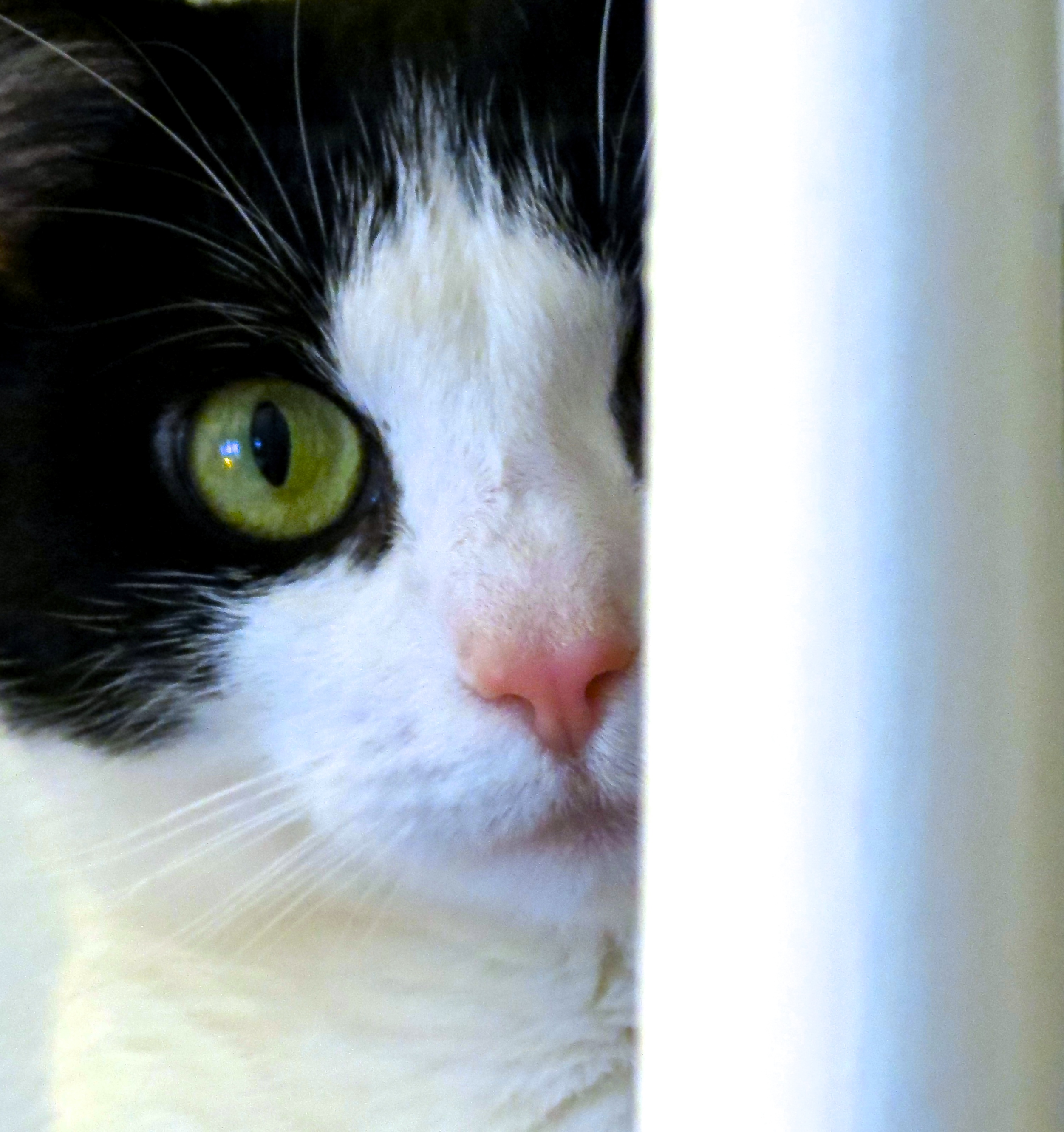
Cat gaze

Grain and Ground

Graceful Grain

Gradient and Grid

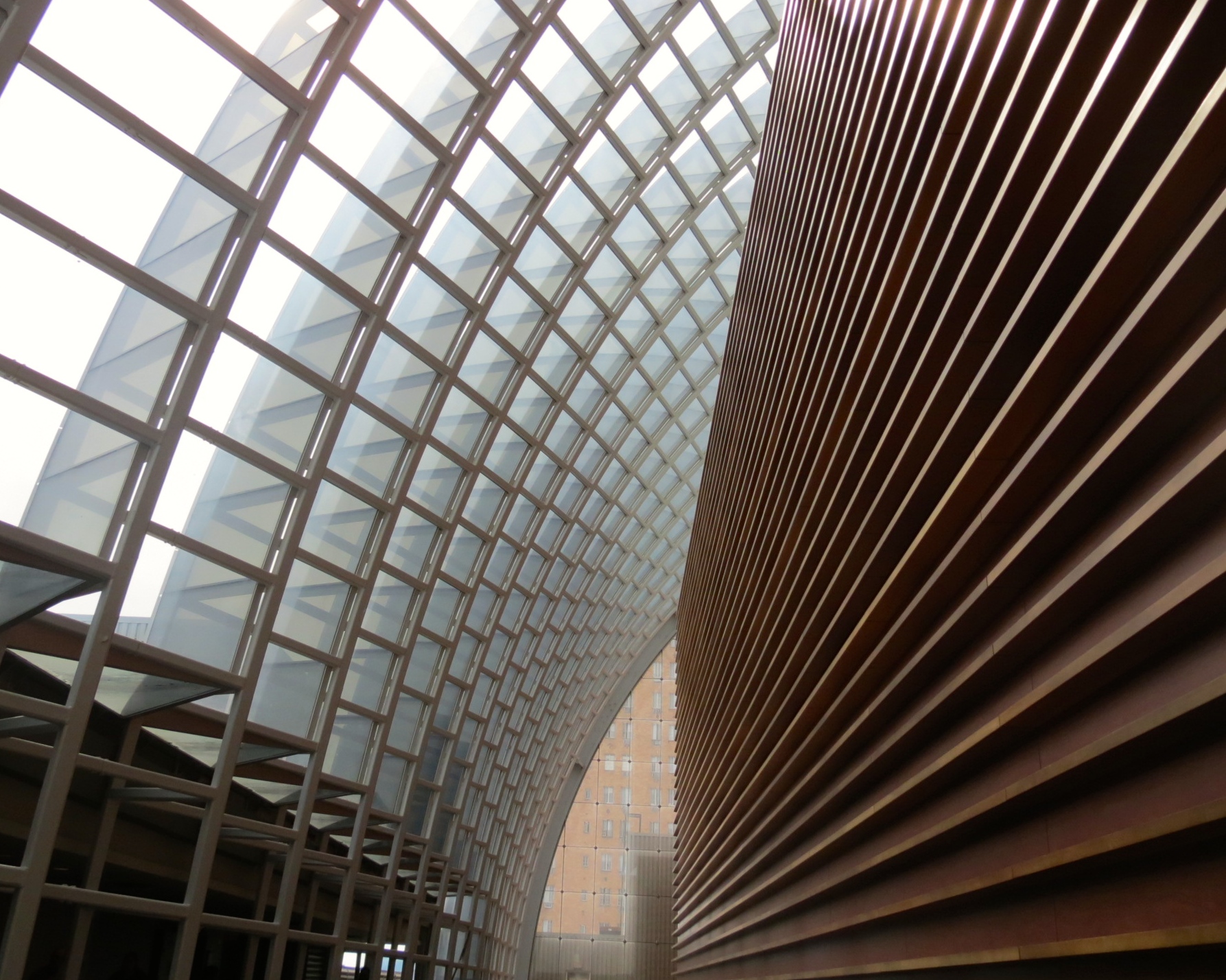
Geometric Convergence

Weekly Photo Challenge: Half and Half

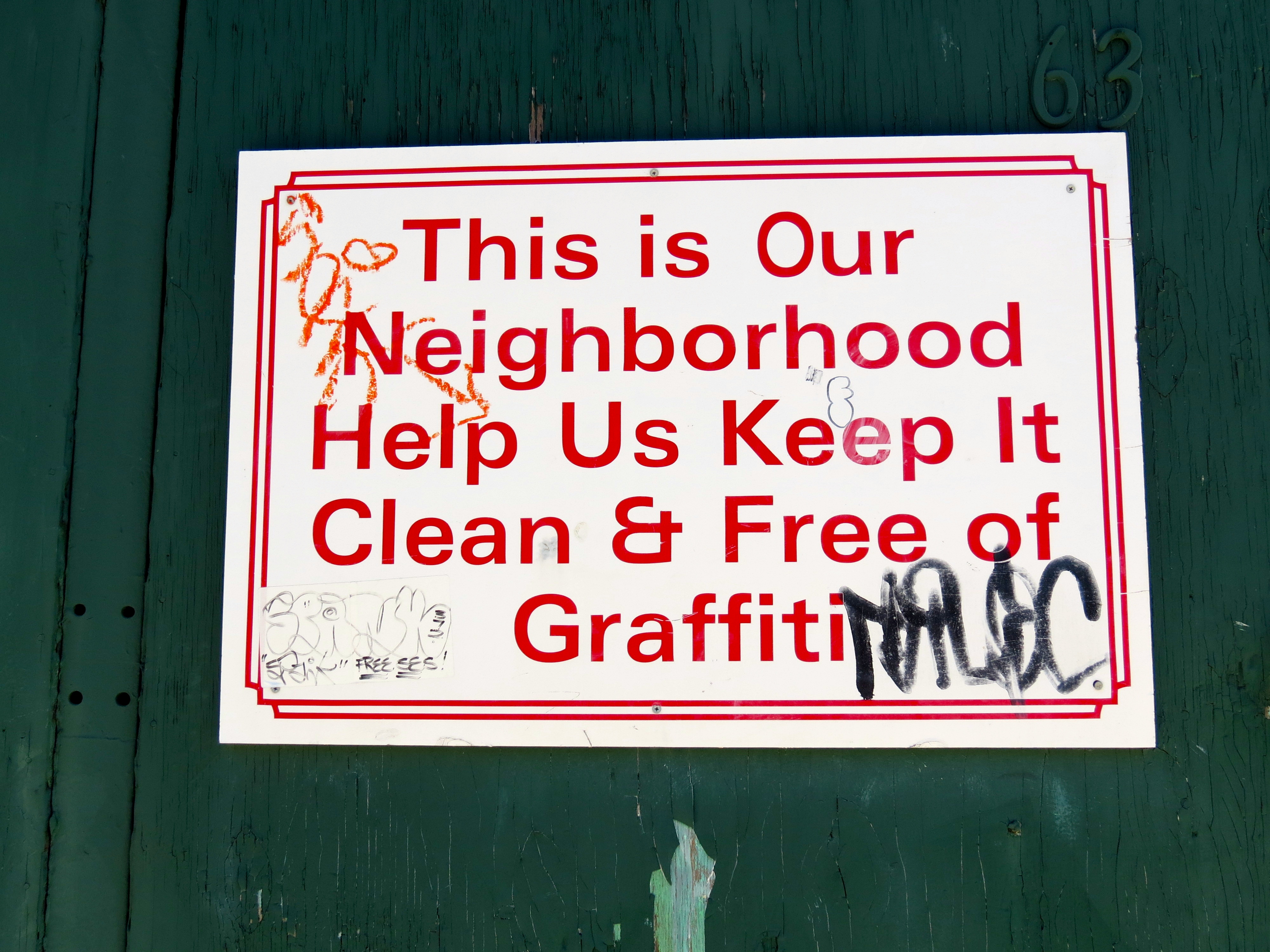
In this photograph, the irony of the admonishment stands juxtaposed to the resistance message.  Another irony, that except for on the sign, I didn’t see any other graffiti in the area. Did the perpetrators of the writing intend to make a humorous statement? So, what is going on here?

Sometimes the first reaction to graffiti is revulsion at the idea of defacing property, and certainly that is a concern. My point is not an advocacy for vandalism and the eyesores that graffiti sometimes creates. But a thoughtful analysis has to consider many more complex issues. Writings on the wall have stood as symbols of resistance to control of government and big corporations, challenging prevailing views. Graffiti allows voice to those who feel they have no voice or no mechanism to express their opinions. We could argue if we have to put up a sign, perhaps that is the first sign that there is a lack of general consensus from the community on the issue. How would a sign even serve as a deterrent? Maybe the sign inadvertently says, “bring it on!”

Graffiti sign


Tag Cloud