Humble Contributions to the Peoples' History

Posts tagged ‘Photography’

Photo Walk through Port Richmond, Philadelphia

The Philadelphia Photo League sponsored a photo walk, “Meandering with Mike, Port Richmond Edition”; a quote describing the stroll enticed me to sign up:

To Meander : following a winding course: a meandering lane. Proceeding in a convoluted or undirected fashion

“Proceeding in a convoluted fashion,” what an exciting way to learn about that section of the city! Port Richmond lies about a mile north of center city Philadelphia between the neighborhoods of Fishtown and Bridesboro. Along with Kensington and Olde Richmond, these towns are collectively known as the River Wards as the Delaware River flows along their eastern borders.

IMG_2616

Philadelphia from the Delaware River, across from River Wards

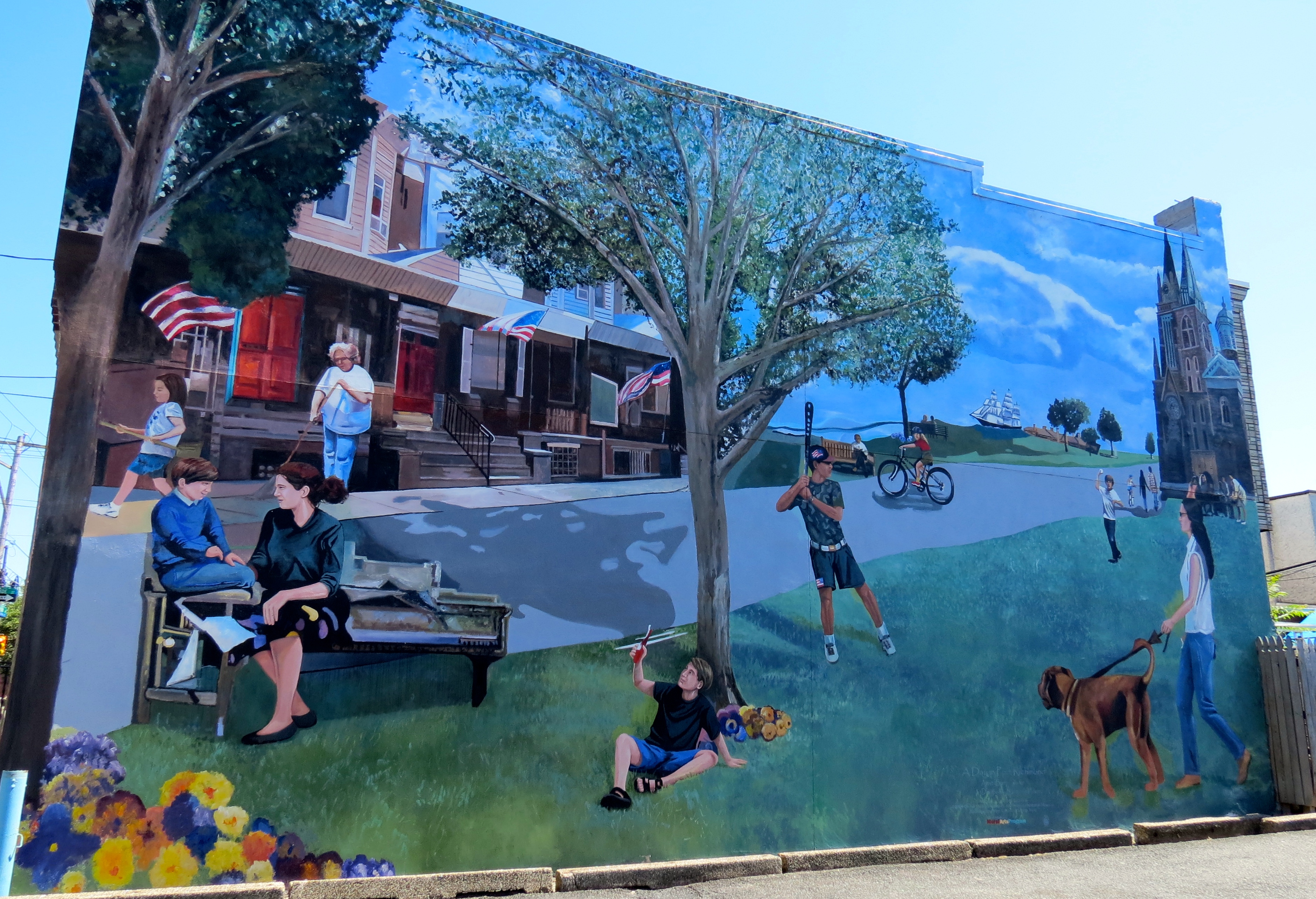
As we strolled through the neighborhoods, we came across this mural, which embodies iconic Americana images: flag, dog walking, baseball, church, children on bicycles, scenes we viewed as we wandered through the lanes of the city. My eye was drawn to the image of a clipper ship in the left corner of the mural because of my fondness for sailing vessels.
IMG_1239

I checked The Port and City of Philadelphia, published in 1912,  and found the following photograph:

Star Clipper Newsletter

Just south of Lehigh Avenue, Cramps & Sons opened a shipbuilding business in 1830 and was still operating 70 years later. In the 1850s, the shipyard built clipper ships and later transitioned to steam-driven ships in the 1870s.

Trains and Tracks Define a Neighborhood

In May 2015, Port Richmond made international news because of the fatal derailment of an Amtrak train. In 1942 another train derailment on the curved section of tracks killed 79 and injured 117. In April 2014, a minor train derailment of cars carrying acetone caused a major traffic jam. On the following day, protesters marched outside of Philadelphia Energy Systems demanding safety checks that would protect the community. For residents, stories of train derailments and leaky tank cars tell an important part of the history of this neighborhood.

Train tracks cut right through the center of this neighborhood. Huge embankments support the tracks. Tunnels that connect the two sides of the town are longer than several football fields. We entered one of the dark underpasses, which felt like a “no man’s land” of steel and concrete. Trash littered the sidewalk and street. The remains of a television set were scattered over the curb as if someone had tossed it from a vehicle. Most of us took pictures of the shattered TV, but I’m not sure why. On the other side of the underpass, I climbed up one of the embankments for a picture of the black tank cars coupled together.

Photographers Invade the Port

I was lucky to hitch a ride to our destination with fellow photographer Annette. From Route 95, we got off at Exit 23 after City Hall. We drove down the main thoroughfare, Lehigh Avenue, only to be perplexed by the parking situation. On the right side of the road, the parking slots were angled in the opposite direction! We had to circle around a second time before we noticed the sign that read: Back into the parking spots.

We found our leader, Mike Klusek, and fellow photographers at the Green Rock Tavern, a small neighborhood corner pub that has retained the original bar counter and tin ceiling. Bottles of spirits were shelved in mirrored cabinets. A chalkboard listed the menu items for the day, and regulars sat on the stools, conversing with the bartender.

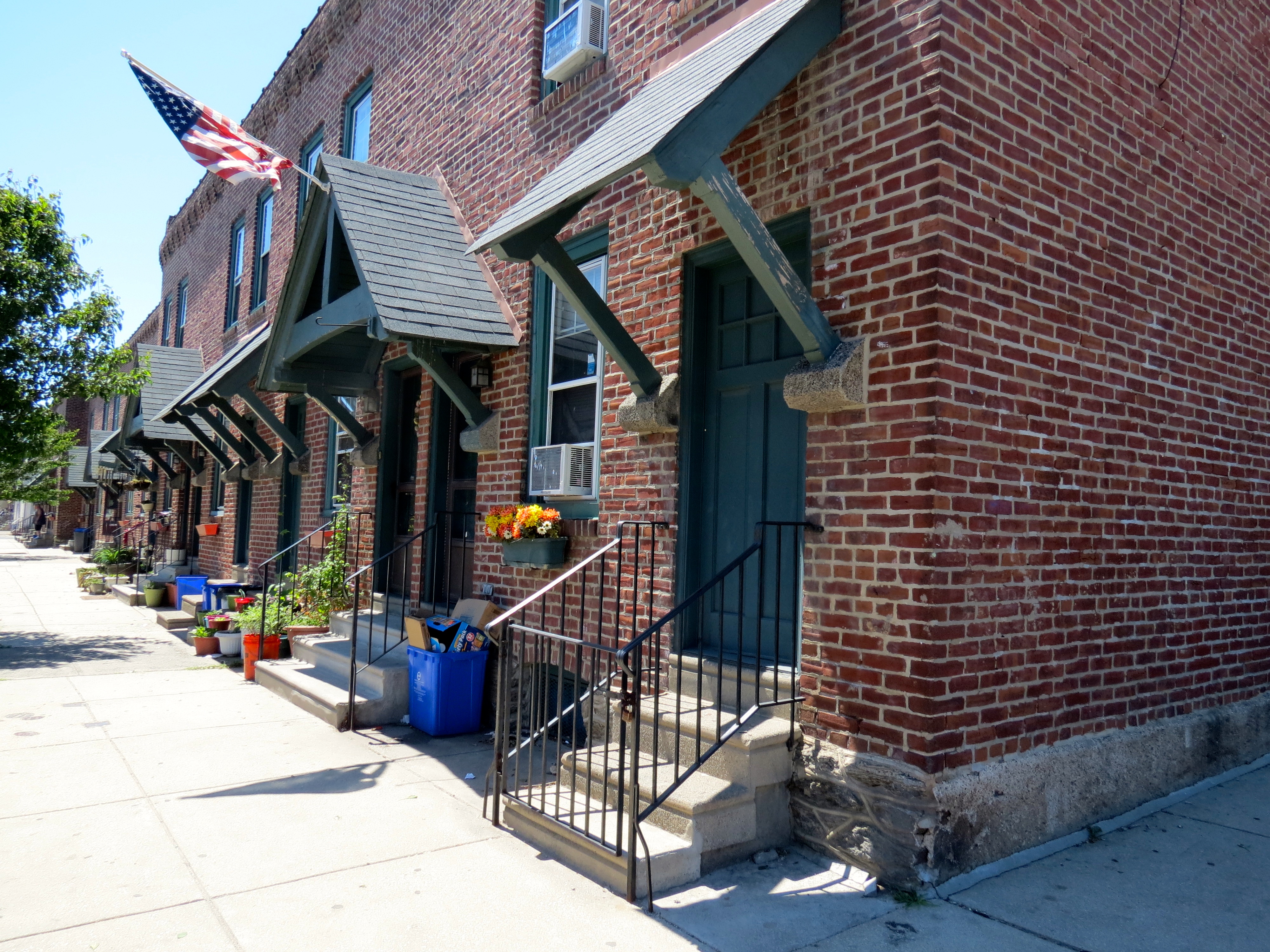
Cameras ready, we strolled down the wide sidewalk to the PortSide Art Center, decorated in a brightly-colored underwater sea motif with fish and other creatures created from glass. We walked under the Lehigh Viaduct and along the working-class neighborhoods of neatly kept row houses, some with marble steps. Each home reflected its owner’s preferences for patriotic fervor, political statements, or flower boxes. Flowers and hedges filled the backyard landscapes. Irish and Polish taverns and eateries stood on corner locations, and grand churches occupied center blocks.

Folks were friendly toward our band of photographers, sometimes approaching us with questions or comments, and were agreeable to being snapped in a photograph.
IMG_1224

A History of Immigration: Polish and Lithuanian Heritage

When immigration was at its peak in Philadelphia at the turn of the 20th century, Polish people settled in Port Richmond. They built Saint Adalbert Church which reflects the Polish Cathedral architecture, heavy in ornamentation from the Renaissance and Baroque eras. Immigrants from Poland continue to make this neighborhood their home.

We stopped in a Polish grocery store, and I bought Chruschiki, traditional, fried cookies. Several restaurants and stores in the area of Allegheny Avenue cater to the Polish-American community. The Krakus Market on Richmond Street offers a wide choice of Polish foods, including a variety of kielbasy, Polish newspapers, and pastries. I bought several bottles of mustard made in Poland.

Lithuanians, who have historically been linked with the Polish nation, hold their festivals and dances as well as catered affairs for the community, at the Lithuanian Dance Hall, now the home of the Theatre Company of Port Richmond, a community theater company.

Two More Stops

An ornate wrought iron archway decorated the entrance to Campbell’s Square, a shady park where children played ball and folks walking their dogs. Special community events take place in the plaza, and the Polish American String Band, award-winner in the annual Mummers Day Parade, holds regular concerts for the residents. The community is proud of their park and has created a Facebook page, announcing how volunteers can participate in cleanups and garden work, a true measure of the commitment to their neighborhood.

IMG_1246

We stopped in Port Richmond Books, which houses a 200,000 collection of books, newspapers, magazines, and records. The store occupies a century-old former movie theater. They have renovated the façade, but it is still possible to see the original footprint of the theater.

After our walk, we returned to the Green Rock Tavern for dinner: homemade potato and cheese pierogi with a side of sauerkraut, especially delicious after a long walk!

I hope to return to Port Richmond, to sample more of the home-cooked Polish food and to explore along the Delaware River, especially the Port Richmond trail.
600_437818518

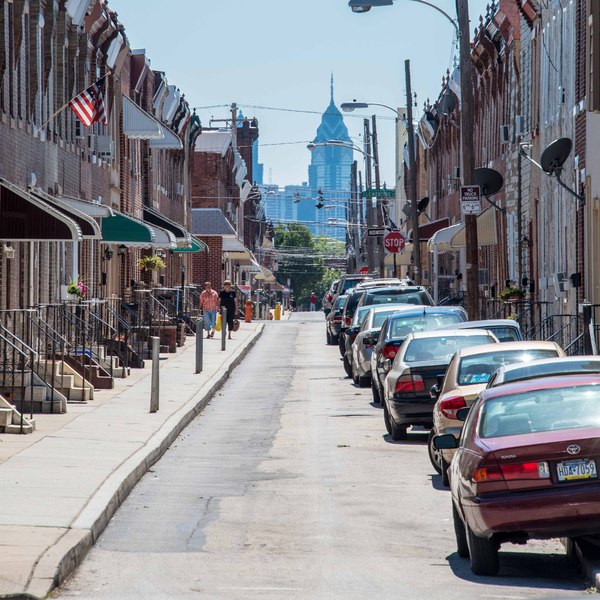
The Skyline of Philadelphia peeks over Port Richmond. Photo credit: Annette Newman, a.new.photos.

Many thanks to Mike for his informative history of the area and photographic suggestions.

Links

Caroline Cole, assistant editor of Sacred Architecture, requested that one of the photographs from this blog post be included in their publication. In the article, Three Chapters in the Architecture of Catholic Philadelphia, Michael J. Lewis describes the influence and history of the Catholic Church in the immigrant communities that established parishes throughout the city.

Port Richmond: A Taste of Poland
Town by Town: Port Richmond is Getting Younger
Port Richmond’s Sidewalks May Be Clean, But The Air Is Dirty

Moments from the Voyage of the Star Clipper, Lisbon to Athens, 2015

Description of this adventure at: Lisbon to Athens: Grand Voyage of the Star Clipper, 2015

Enchanted with the splendor and grace of the sailing ship, a masterful creation of those who designed and constructed this work of art, I fell for the romance of sailing the frothy seas that inspired waves of passion for life as the salt air wind blew away doubts and dreams unfurled.

Trailer

This slideshow requires JavaScript.

Daily Prompt Journey

 
Image

Enveloped: Weekly Photo Challenge

Chinese Lantern plants produce white, 5-petaled flowers in mid summer that transform into a lantern-shaped husk. As it matures, the husk turns papery. These papery pods skeletonize, revealing the seed within the lantern.

Encapsulated

Weekly Photo Challenge Enveloped


Image

The Storm Cometh, Force of Nature

Echo the far-off roll of thunder,
Rumbling loud
And ever louder, under
The blue-black curtain of cloud,
Where the lightning serpents gleam.
–Storm-Music by Henry Van Dyke

Angry Clouds

Weekly Photo Challenge: Forces of Nature


Image

Intricate: Weekly Photo Challenge

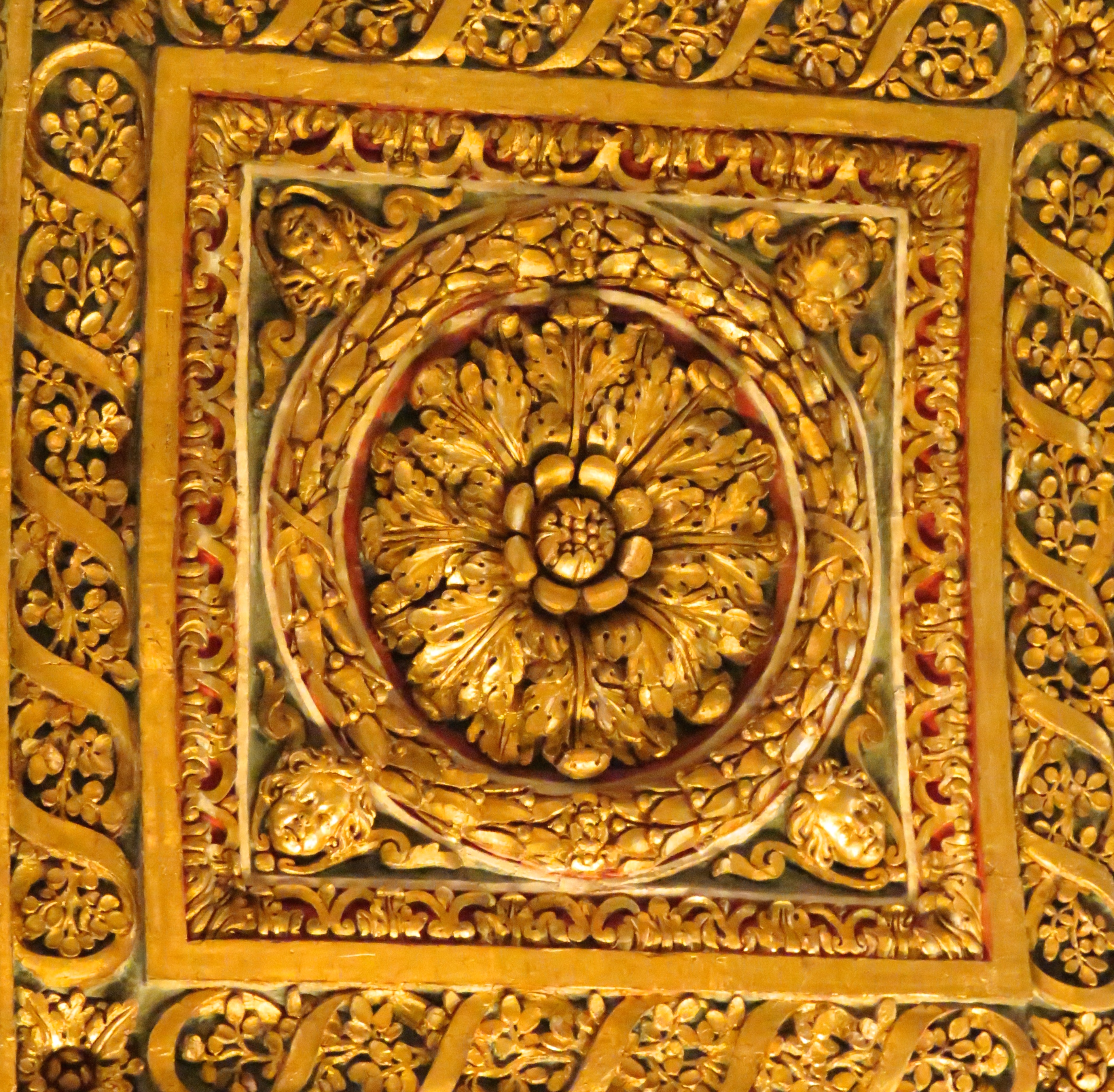
St. John’s Cathedral, in Valletta, Malta

IMG_0347

Detail

IMG_0353

Weekly Photo Challenge: Intricate

Lisbon on a Tram

Lisbon’s Tram 28 Tour

Red arrow Trolley

Hometown Trolley: Red Arrow

A photograph of a little yellow tram-car against the backdrop of a twisted alley way on a cobblestone street, enticed me to visit Lisbon. National Geographic lists the Lisbon trams in their top ten list of trolley rides. I have an affinity for trolleys because I grew up next to a the Red Arrow Trolley Line that ran in the back of my childhood neighborhood; we always looked forward to riding the trolley.

So when public transportation takes on a mystic quality, I know a ride is not to be missed. My experience with the hair-raising Amalfi Coast bus ride comes to mind. I always prepare references of places I plan to see and “visit” locations on Google maps still I didn’t find the right place to pick up the tram in the historic Amalfa section of Lisbon. I was proud of myself for negotiating a metro transfer and arrived at the Martim Moniz Plaza only to stand a station for 20-minutes, wondering if I was lost. A man wearing a transport vest looked like a good candidate to set me straight, and he affirmed I was in the right place, but the next tram that stopped was the Number 12 not 28! I decided to explore around the plaza, turned the corner . . .

Tram 28 Line

Ah, yes, I should have scouted out the stop with the long queue. I thought a rainy day in April would be safe bet against hoards of tourists. As rain intensified, everyone, including myself, stood our ground as we waited patiently for the trams to arrive until we, too, could be squeezed into the trolley car. Many of the guidebooks warned against pickpockets, but with cacophony of foreign languages and folks holding city maps while taking cell phone photos, there was no room for pickpockets . . . just hawkers selling umbrellas at inflated prices.

The Lisbon trams, once drawn by horses, have a steampunk quality, with their 20th century fittings and polished wood. The vintage cars, built over seventy years ago, sport bright yellow paint. The narrow cars jounce (made up word) through cobbled streets and narrow alleys, like Mr. Toad’s Wild Ride from Disneyland–with sudden turns, avoiding what would seem to result in an inevitable crash. The tram wheels, positioned at the center of the car and not at the ends, make the trolley seem to float over the tracks.

Tram 28 in Alley

Dark Tourism at its Best

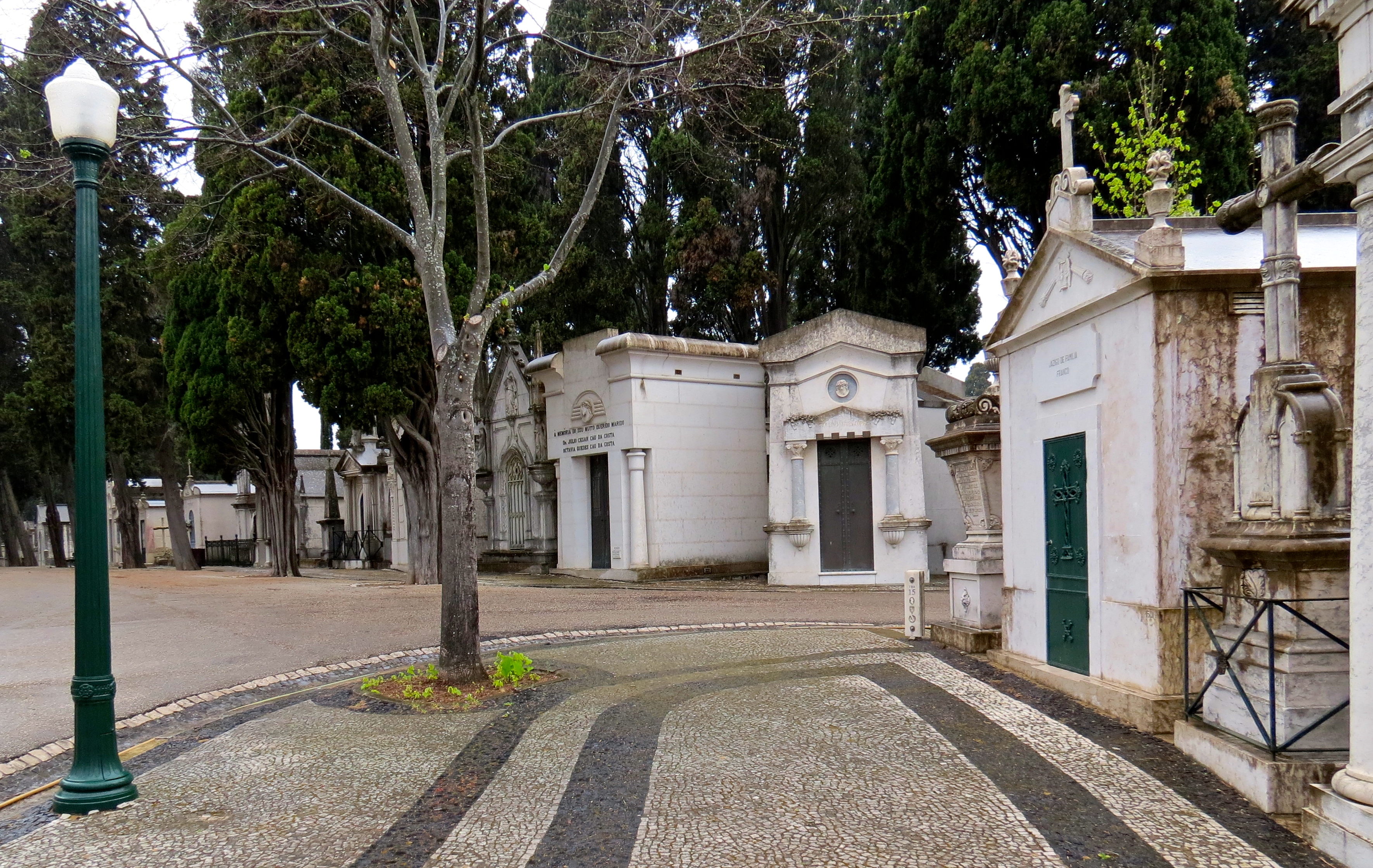
Mausoleum DoorI stayed on the trolley, with a mysterious transfer to another, to the end of the line. I never did quite figure out their system, but did reach the last stop, the Prazeres, for my verified “Dark Tourism” experience. Ironically named “Cemetery of Pleasures,” the spot has an otherworldly feel, the rainy day contributing to the misty atmosphere. Lines of cyprus trees stretched toward the sky, breaking up the line of marble buildings. This cemetery reminded me of our visit to the Cimetiere Du Pere-Lachaise in Paris, where many of the rich and famous found their last resting place. Seems like Europeans like to create stone villages to the dead, perhaps trying to create immortality in stone. Each mausoleum is characterized by its own personality, with a variety of sculptures decorating the façade. Elaborate doors served as the entrance, either painted or with intricate ironwork in front of a window. Each building has a strange quality of enticing visitors to look into the little houses while still conveying an eerie caution. I couldn’t help but peek through the windows to see alters with pictures, as well as the coffins. I would have lingered longer, but as the rain spilled over my umbrella, the bone chilling dampness, no pun intended, drove me back to find the trolley.
Prazeres Cemetery

 Tram Stop: Castelo de S. Jorge

The trolleys stop at over thirty locations, and I found it challenging, if not impossible, to figure out exactly where we were at any one time. I did have a list of stops, but small print named the stations names and the conductor did not make announcements. In any case, every stop along the way seemed like a great place to get out and explore so it didn’t matter about missing the stop for Castelo de S. Jorge. The massively huge castle, which dates back to the 11th Century, sits atop the tallest of Lisbon’s seven hills. A shaded courtyard spread out toward expansive views of the city and surrounds, providing a great perspective of the area. The Tagus River, sparkling in the sun, surrounded the landscape.

IMG_9184

The massively huge castle, which dates back to the 11th Century, sat atop the tallest of Lisbon’s seven hills. A shaded courtyard spread out toward expansive views of the city and surrounds with the Tagus River, sparkling in the sun, surrounding the landscape. Viewing from the ramparts, I looked down into the neighborhoods of Alfama. Cottages and castle stand together as extreme contrasts in size and style.

I walked up and down the steps of the ramparts, being careful not to lean too far over the short walls. Steep steps provided a workout, but with so many interesting places around every corner, I wanted to see all of it. At the archaeological site, I viewed the ruins of the Moorish quarter. Before the Moor invasion, other civilizations occupied the site dating back to the Iron Age.

Lunch with a Peahen

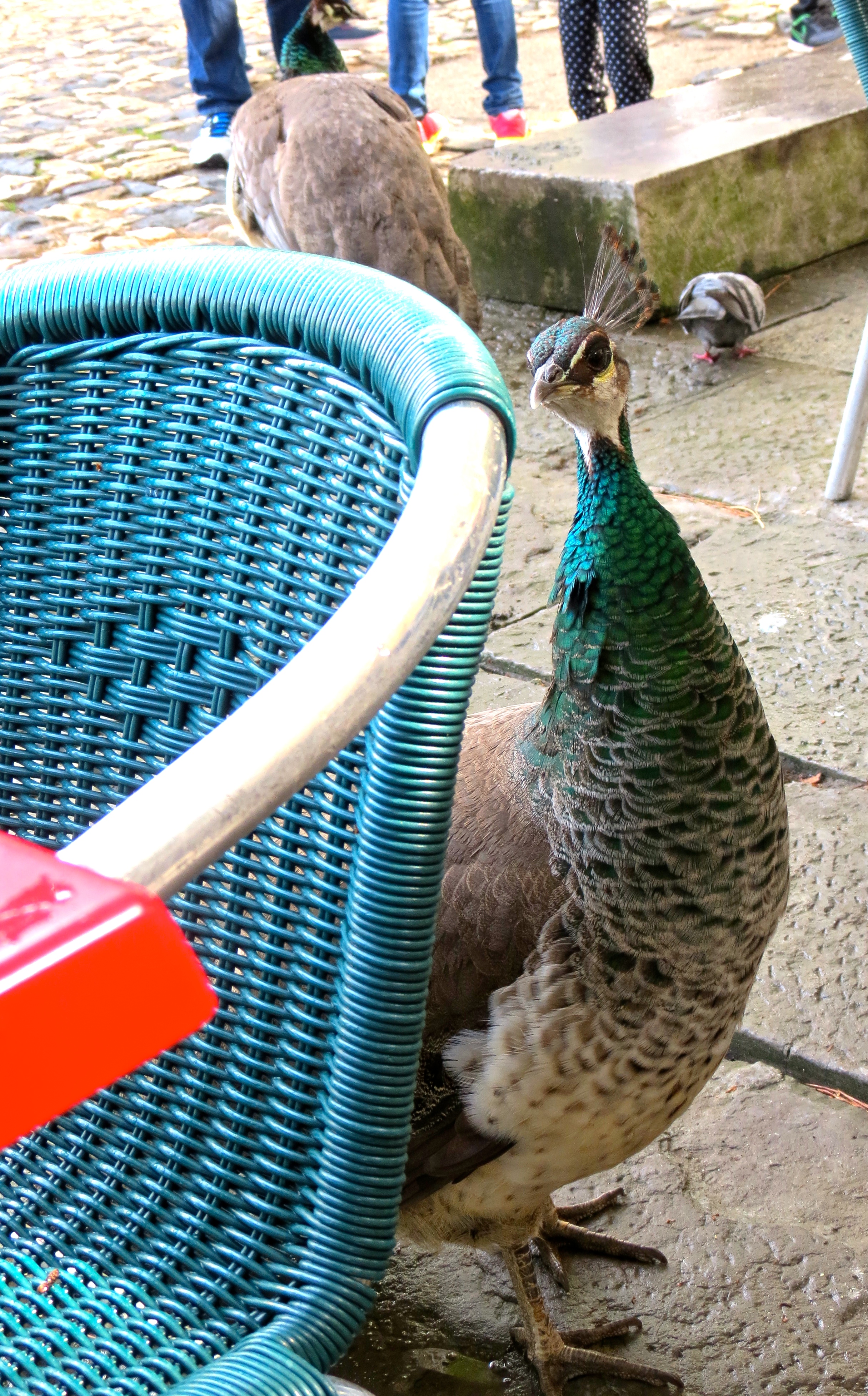
Peahen at LunchPeacocks and pea hens sat in the trees and on the walls and paraded around the café. I don’t believe I’ve ever seen peacocks of such size. When the male spread his feathers, he needed at lease ten feet. I bought a baguette for lunch and settled down at an outside table. Can you enjoy a meal while being watched? A peahen took an interest in my sandwich, cocking her little head as I tried to dissuade her with a conversation littered with, “no, no.” Being a Portugese bird, my words did not translate, but being a persistent creature, she was eventually rewarded with a handout, which worked for her and provided me with the knowledge of why these birds were so large.

I hopped back on the trolley and then the Metro to my hotel. Lisbon’s Metro had been easy to negotiate and surprisingly spiffy and clean. Shiny blue tiles lined the walls along the series of escalators that carried passengers to lower levels. Not a single piece of paper littered the floors. Crowds jammed into the cars at rush hour. A fist fight broke out right in front of me, the result of pushing and shoving that jostled the passengers caught in the crush. A women on the platform broke the fight up, leaving the two agitators apart as the doors shut on the car and separated the two.

Lisbon Metro Station

Metro Platform

With four fitful hours of sleep on the plane the previous evening and a full day of exploring, I fell into bed exhausted, as the “Trolley Song” came into my head,

Clang, clang, clang went the trolley
Ding, ding, ding went the bell

Chug, chug, chug went the motor
Bump, bump, bump went the brake

Lisbon to Athens: Grand Voyage of the Star Clipper, 2015

Image

Hoopla on Blur

Hoop La

Weekly Photo Challenge: Blur

Image

Ephemeral

Begin doing what you want to do now. We are not living in eternity. We have only this moment, sparkling like a star in our hand – and melting like a snow flake.  ~M.B. Ray


Store window

Weekly Photo Challenge: Ephemeral

Image

Weekly Photo Challenge: Fresh

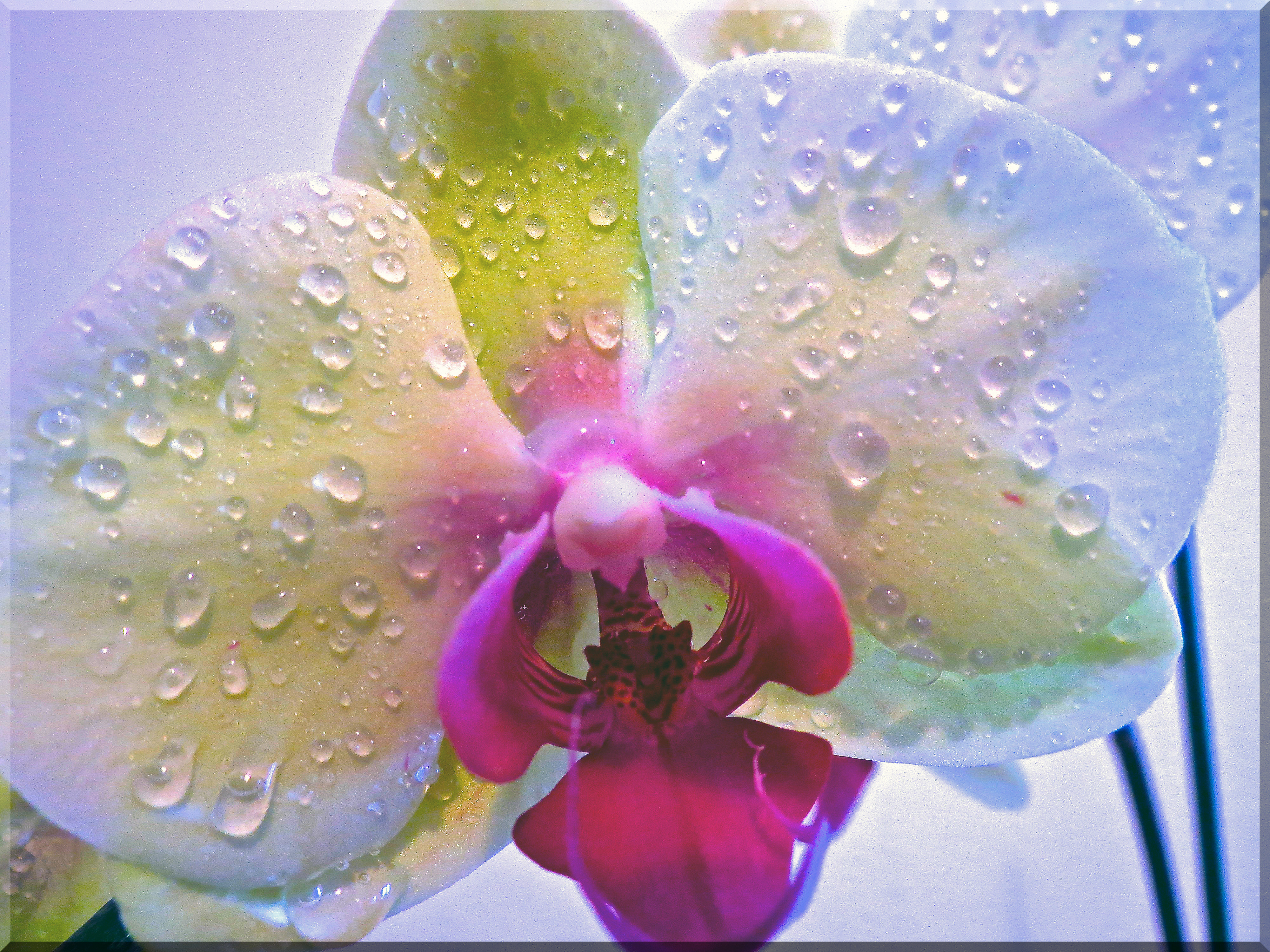
In honor of the first day of Spring, March 21.

Fresh Orchid

WordPress Photo Challenge: Fresh

Image

Writing on the Wall?

Almost every civilization, including our democratic society, has constructed walls, mostly for keeping the “other” out. Sometimes the “other” is an enemy, where conquering, exploiting and enslaving citizens becomes the objective. In other cases, walls are built to keep out those whom society deems as undesirable.

A wall never works. Technology eventually catches up and produces mechanisms to scale the ramparts. Past civilizations continued to build higher and stronger fortresses, but eventually these walls were breached and societies fall, as opponents becomes hell-bent in destroying the barrier.  Walls carve a separation that perpetuates the wounds on both sides, and the effects of the wall continue to influence people’s lives in terrifying ways.

Our ancestors have been on both sides of the wall, as conquer and vanquished. Will we ever be able to deconstruct the barriers in our minds to realize peaceful coexistence with our neighbors and put a stop to our perpetual compulsion of building and destroying walls?

Before I built a wall I’d ask to know
What I was walling in or walling out,
And to whom I was like to give offence.
–Robert Frost, Mending Wall

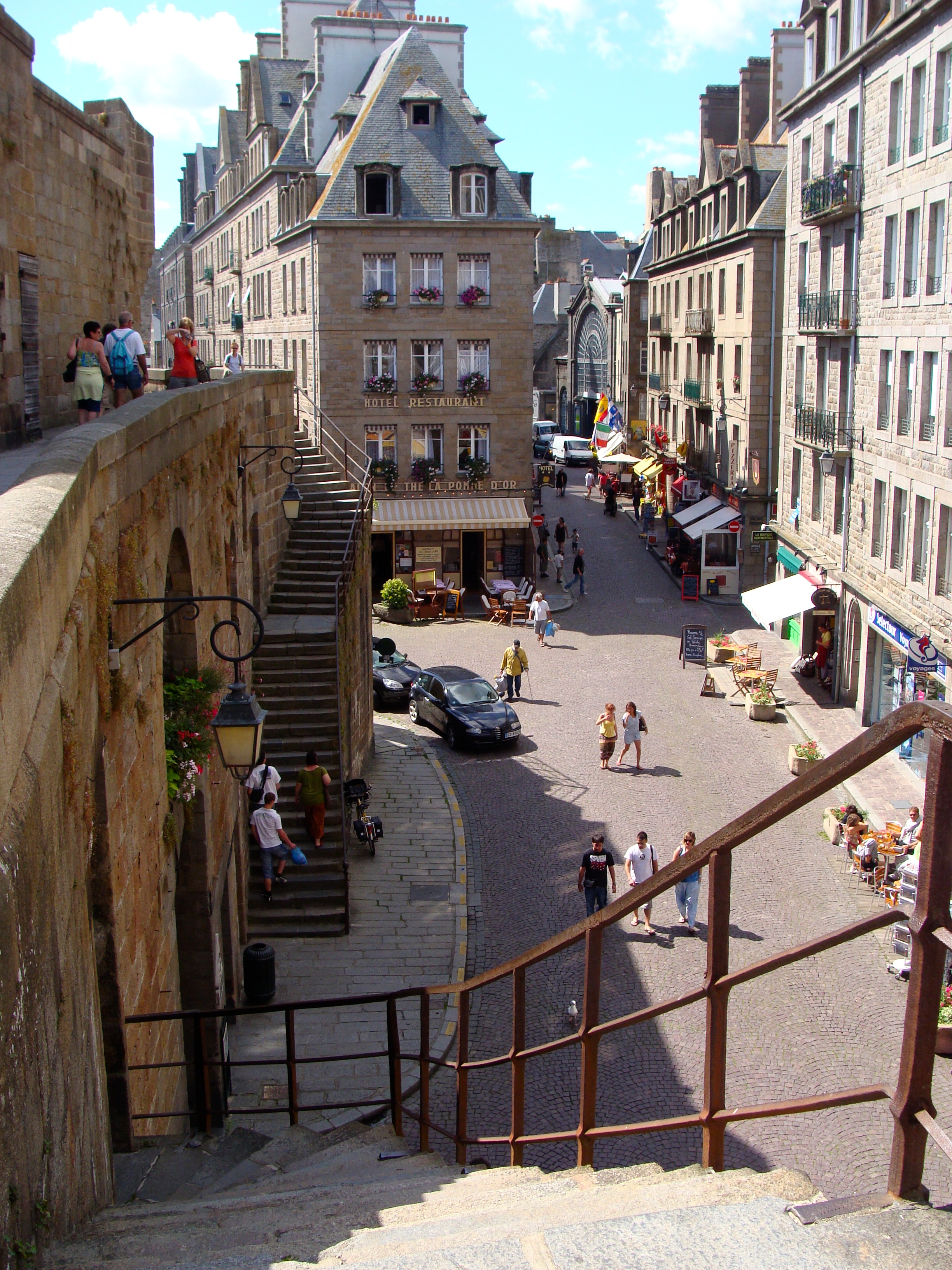
St. Malo

St. Malo, walled city in Brittany, France. Built in the 12thC, rebuilt in the 17thC, destroyed during WWII, and again rebuilt by 1960.

Weekly Photo Challenge: Wall

Tag Cloud