The freedom, innovation, and economic opportunity that the Internet enables is in jeopardy. Congress is considering legislation that will dramatically change your Internet experience and put an end to reddit and many other sites you use everyday. Internet experts, organizations, companies, entrepreneurs, legal experts, journalists, and individuals have repeatedly expressed how dangerous this bill is. If we do nothing, Congress will likely pass the Protect IP Act (in the Senate) or the Stop Online Piracy Act (in the House), and then the President will probably sign it into law. There are powerful forces trying to censor the Internet, and a few months ago many people thought this legislation would surely pass. However, there’s a new hope that we can defeat this dangerous legislation.
Recently this video, Joy of Books, went viral on the Internet. The store, Type, in Toronto (883 Queen Street West) recently underwent a renovation; the owners, with some help from their friends, animated the shelves in this enchanting video.
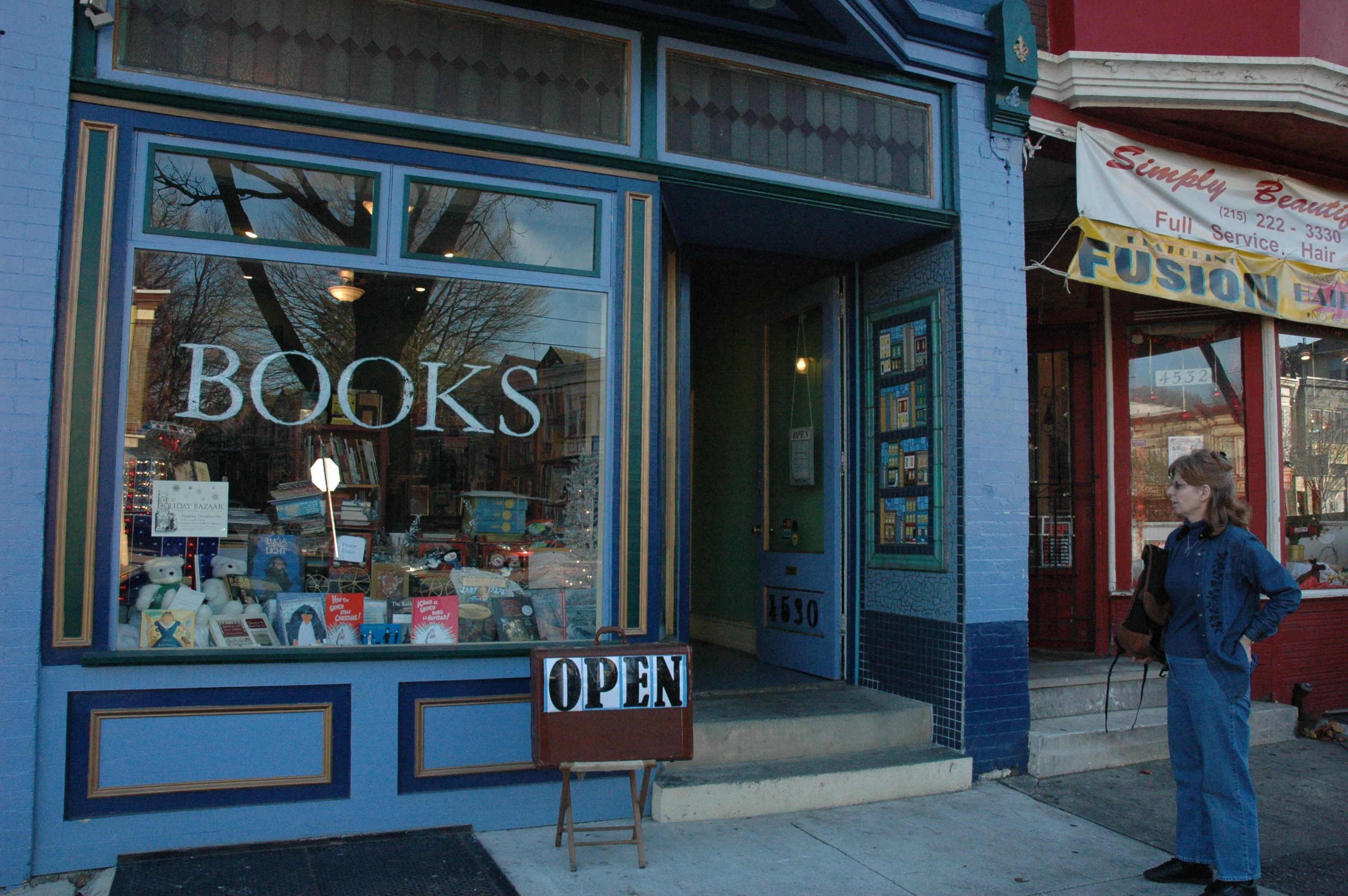
Type reminded me of the time, seven years ago, when I helped to renovate and startup a bookstore in West Philadelphia, Bindlestiff Books, along with Walt, Christine, John, Bill and Alexis.
This video shows the IWW National Headquarters’ transformation into the bookstore.
Christine and I assisted Jonny Buss, local artist, with the mural on the outside of the door. The mural combines images of books with look of the neighborhood houses. Jonny has completed other murals around Philadelphia including the mosaic project at Cedar park.
Jonny puts finishing touches on entrance mural
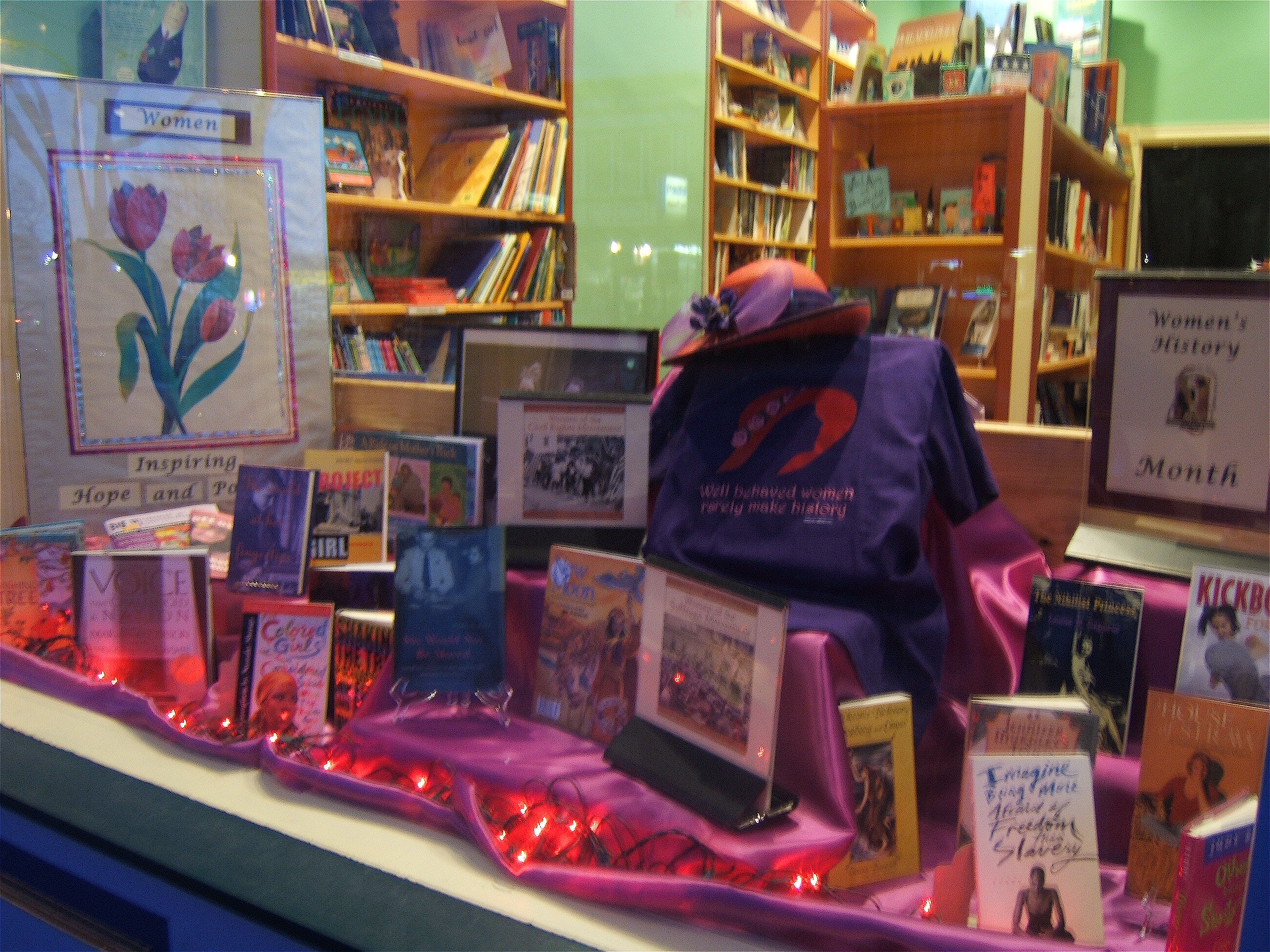
Besides working as a seller, I also decorated the window using a variety of themes.
Inspecting the store front
Christmas display
Womens’ History Month
Sports’ Theme
Bindlestiff Books is still thriving today. If you are on the 45th block of Baltimore Avenue in West Philly, please stop in or visit their Facebook.page. They have a wonderful selection of children’s and graphic books. I always pick up a box of their notecards and wrapping paper when I’m in the area. Communities benefit from local businesses, as big box stores are not able to capture the charm and ambiance of these establishments. Bindlestiff Books remains a bright spot on the Baltimore corridor.
Several years ago the College began a staff development program for several days in January. As part of that program, staff members were asked to participate in an “Employee Showcase.” I thought this would be a good opportunity to share with the community my collection of materials on the labor history at the College since 1991. A total of nine volumes hold everything from Phoenix articles, flyers, letters, documents, photographs, surveys and petitions. Part of this collection is on Swarthmore College Living Wage and Democracy web page.
Slide show features some of the participants in the talent showcase and folks who stopped by our displays. Many thanks to Pam and Mary Ann for planning the event and appreciate the help from Mike and Dave for setting up the technology.
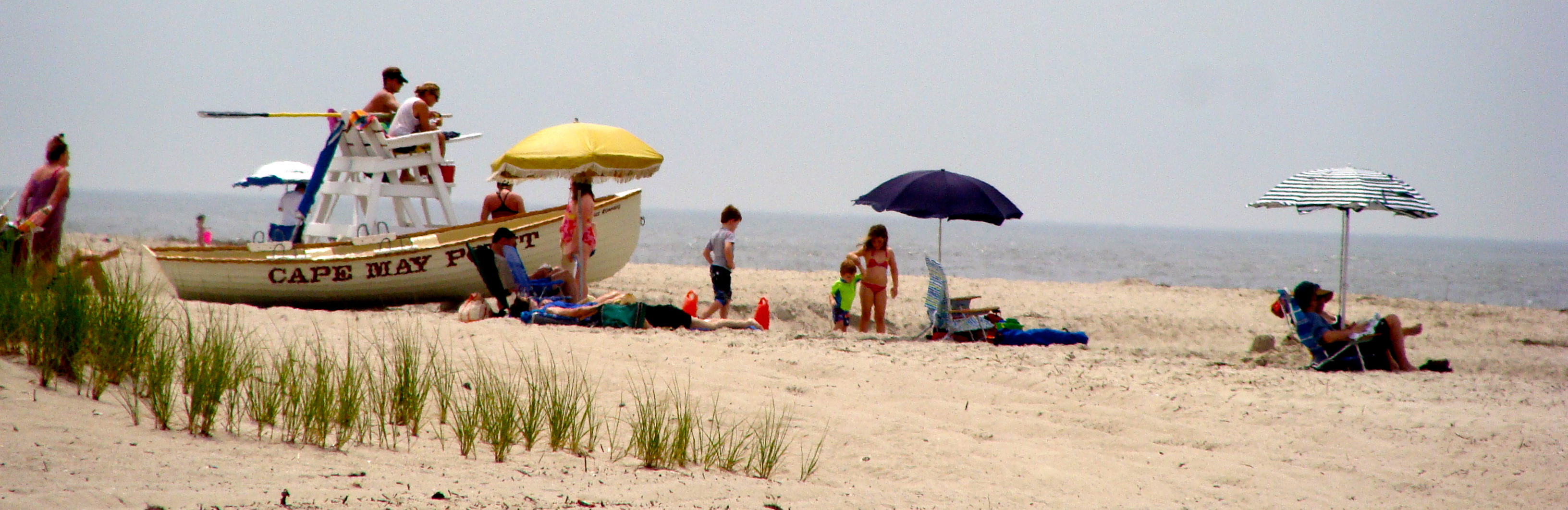
After twenty-five years, we have finally started to digitalized our home movies. Watching one of these videos of our children playing with their cousins on a vacation at Cape May Point, New Jersey, has left me reflecting on unconscious imprinting on our children.
Our children saw us with our cameras almost everyplace we went. As the video shows, we even took pictures of us taking pictures! I didn’t realize the impact all that photography might have had on the children until I viewed these home movies. In the last clip in the video above our daughter says, “I want to do what you’re doing, Daddy.” At six she knew that her parents liked their cameras. Is it just a coincidence she became a professional photographer?
What about her cousin, James who became cinematographer by profession? The videos on the beach show that his Daddy had a telephoto lens for his camera.
Now as adults all the children use photography in one way or another.
Parents model many things, but what seems to stay with kids are those activities which they see as bringing their parents the most joy.
Awe-struck best describes my reaction on seeing the Beatles for the first time on “The Jack Parr Show” during a wintry evening in January 1964. Parr had intended the short video as a humorous anecdote about a British rock band and their astonishing popularity. The clip from that show exists here on YouTube. The music instantly set the standard for originality, fresh and energetic with a rhythmic pulse. Their expressive singing conveyed true sentiment. I suppose some critics might argue that the song in that clip, “She Loves You,” is cliché, but a close examination reveals otherwise. The lyrics, written in the third person, resemble a conversation about love. These young men from Liverpool defended love and sang about fairness, and that was very romantic. They offer wisdom and reconciliation, “Pride can hurt you too. Apologize to her.” Their performance package was perfect. Growing up in the era of crew cuts, the lads’ longer hair had instant appeal–a break from the uniform haircut that almost all males had at the time. Criticized and mocked by the Establishment, the Beatles‘ hair cut was considered as radical as was their “yeah, yeah, yeah.” To us, they just looked fabulous; and we admired this rebellious response to the status quo.
The Beatles transformed two teenagers from the suburbs in style as well as in mind. Before the Beatles:
and after:
I immediately connected with British culture and their representation of working class youth: Liverpudlian accents, collarless fitted suits and urban lifestyle. The Cavran Club tucked in a cobbled ally of Liverpool, provided that gritty, smokey backdrop that served as their performance home and became my imagined refuge from the suburban pabulum that surrounded us. Their place in the world was so foreign from my life. They lived on the edge of the wharfs and warehouses and played music in ally way cellars, while I remained safely planted in the middle of a suburban protective cocoon. I studied the geography of their city, intrigued by the River Mercy, the docks and ferries. The Beatles, humorous and irreverent, seemed fearless. They would find themselves in trouble because of their candid and unaffected remarks; but for their fans, they became that much more endearing. We admired their forthright approach to life. Aware of their way in the world, more than anything I wanted to be part of that scene.
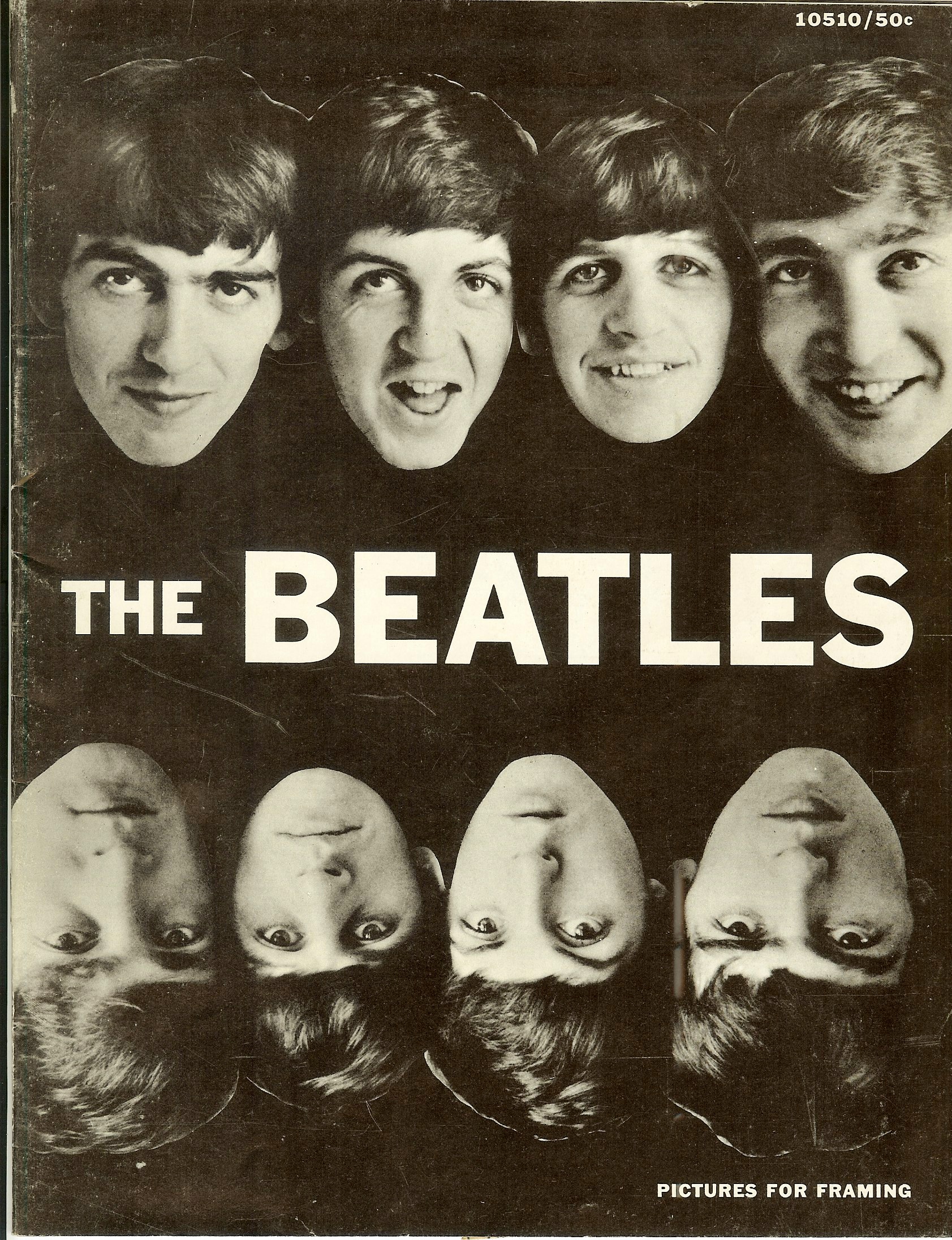
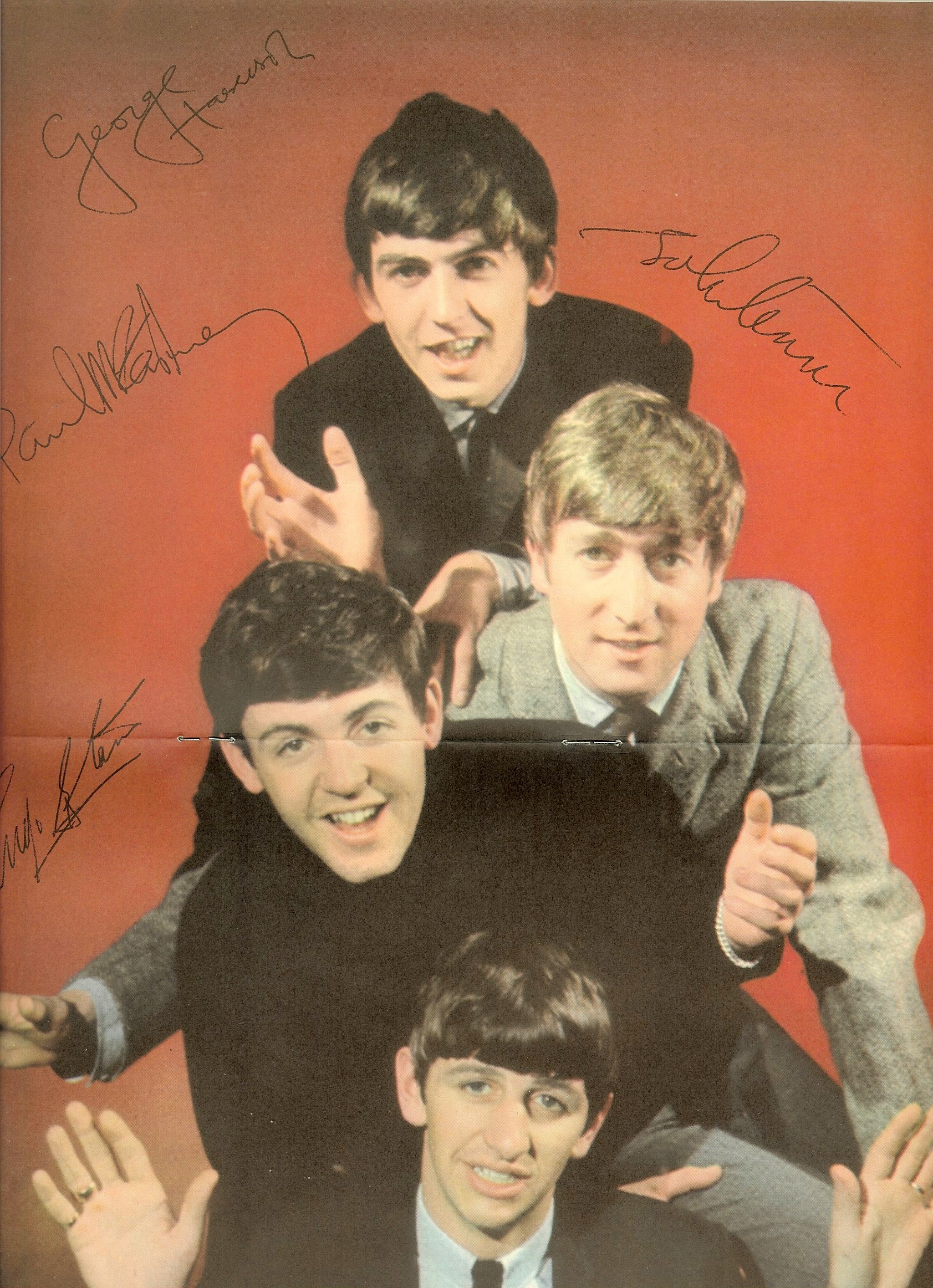
So we bought their albums, in addition to fan magazines, posters, trading cards, which offered a way of transporting ourselves into a time and place we could only experience vicariously.
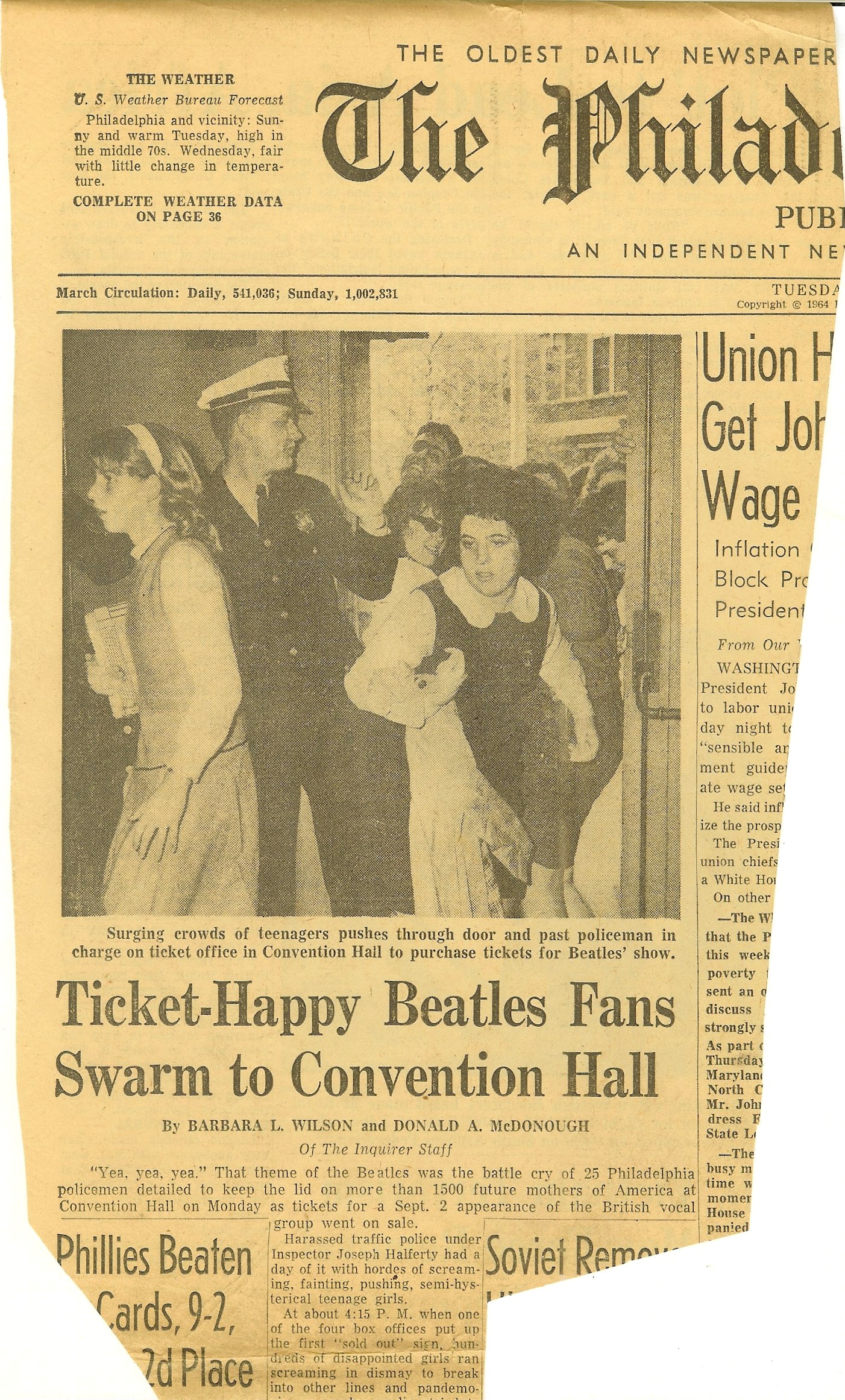
When the Beatles announced they would be performing in Philadelphia, we left school early and raced down to the Convention Center to buy tickets to their concert. We waited in line for hours, pushed and shoved as fans surged toward the doors. The police regulated the flow, but the crowds outside pushed against us as we waited our turn to pass through to the ticket booth. I finally squeezed through an opening, and just as I fell out of the crowd, a newspaper photographer snapped a picture, which turned up on the front page of the Philadelphia Bulletinthe next day! I’m the one to the left looking somewhat dazed after being crunched by the surging crowds. About 12,000 tickets were sold that afternoon in just 85 minutes.
We were thrilled to attend the concert, and although we had seats in the back of the Convention Center, it didn’t matter because once the Beatles appeared on the stage, fans surged forward streaming down the aisles and through the chairs. The wooden folding chairs provided standing platforms, some girls standing on the back rim of the seat. We never heard a note of the singing–the screaming was so loud. Cameras flashed steadily during the entire concert. None of that mattered; we were with the Beatles.
A Letter from Peter
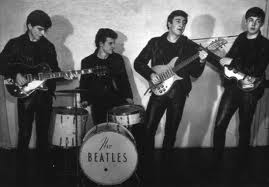
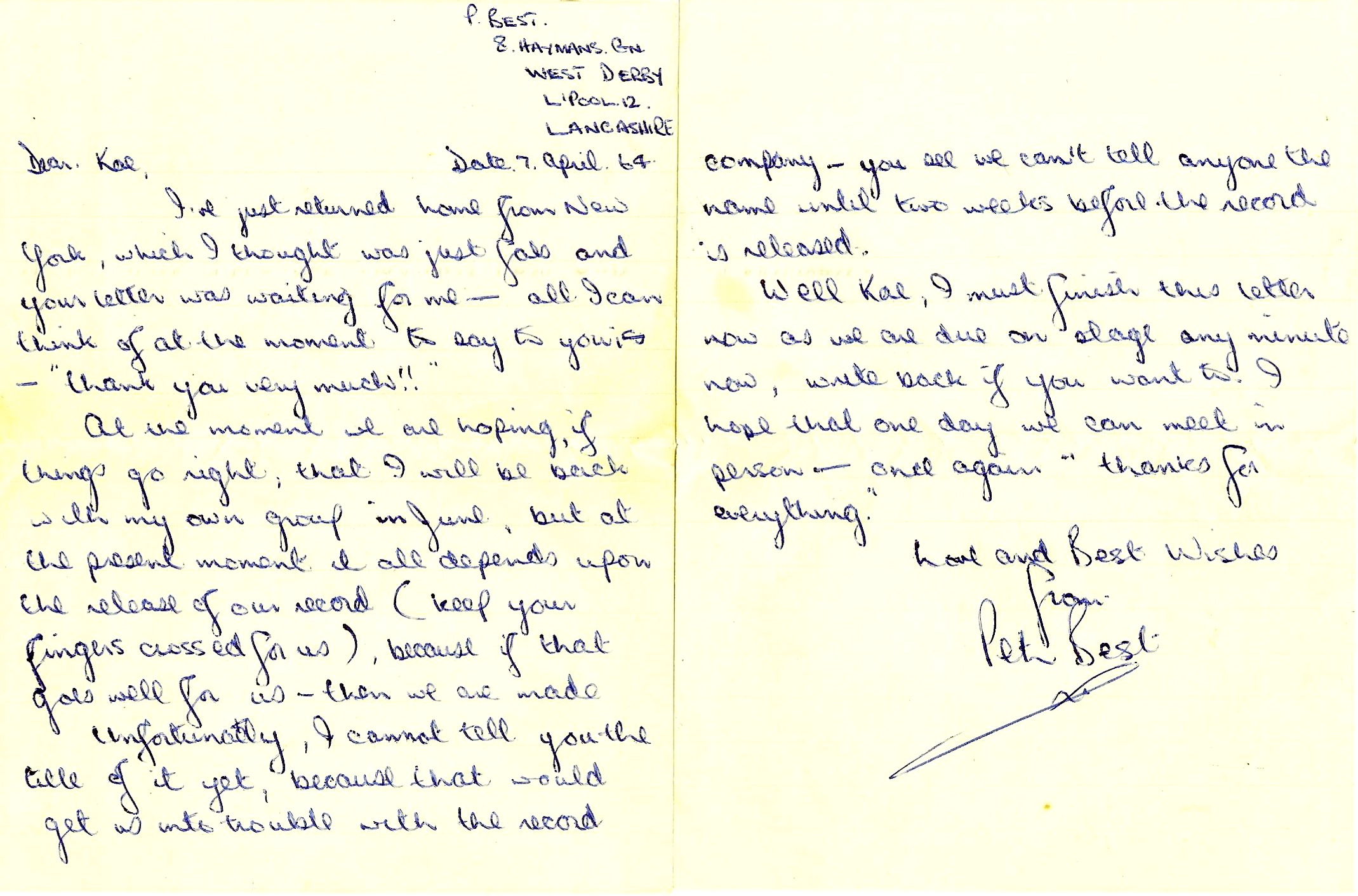
Peter Best, the drummer who preceded Ringo and played with the Beatles for two years, appeared on “I’ve Got a Secret,” a popular game show of the 1960s hosted by Garry Moore, on March 30, 1964. (YouTube clip here.) I was very much impressed with Peter as he had his own band but felt sorry that he had missed the opportunity to stay with the Beatles. I decided to write him a letter and began researching ways in which I might make contact. I phoned the “I’ve Got a Secret” show, and they suggested sending the letter to The Peter Best Four in care of Decca Records.
Two months went by when one day I was surprised to find my mother standing outside of my algebra classroom. I couldn’t imagine what had brought her there until she handed me the letter from the United Kingdom. Pete Best had written me back!
Post-Beatlemania Analysis
Our culture never had much respect for teenage girls for many reasons. We were “little women,” and society didn’t even respect mature women. In the early sixties, careers and opportunities for women were still limited to a few fields. My mother assigned my sister and me our occupations: teacher and nurse. Of course, screaming at rock stars didn’t help the status of teenagers in the eyes of the Establishment, but I now have an understanding of that enthusiasm that bubbled over: teenager girls were heralding what turned out to be one of the most influential bands in this history of music. The Beatles‘ music remains a powerful contribution to the musical canon, having sold over one billion albums throughout the world.
The Beatles profoundly influenced the culture, everything from movies and fashion to the introduction of eastern philosophy to the West. Some have speculated that pop culture changed the way Russian youth perceived the West, dissipating the propaganda of English/Americans as being the enemy. Individually, the Beatles contributed to progressive causes: George’s Concert of Bangladesh, John and Yoko’s peace campaign, Paul and Linda’s advocacy for animal rights.
Prophetic young women, teenage fans from those early years recognized that the Beatles brought hope, change and happiness through music, which is understandable and reasonable. Our unified voices, unfettered from society’s control, expressed an outpouring of jubilation and appreciation. Sophisticated behavior in the eyes of the patriarchal society, probably not, but heartfelt, truthful and joyful, most certainly. With a love like that you know you should be glad.
Steampunk: What is That? For those unfamiliar, steampunk combines elements of science fiction and fantasy overlaying elements of the Victorian era and industrialization, especially the influence of steam power. Steampunk literature features futuristic innovations as Victorians may have envisioned them. Fictional machinery that H. G. Wells or Jules Verne invented for their novels are models […]
With one statement, I’ve probably offended almost everyone about this most sacred cow of American holidays but I’m going to put it on the table nonetheless. I am contemplating the implications of the concept of thankfulness and what it means to me. For a moment, I’m suspending the idea about being grateful to a “higher power,” as often thankfulness extends upward. For now I’m focusing on generic thankfulness in non-religious way.
Recently someone explained to me that when living under a monarchy, citizens are supposed to feel infinitely grateful for all that the king has bestowed upon them, which reminded me of the song from the King and I where Anna considers confronting the king about the continual ingratiating behavior of his subjects:
Everybody has to grovel to the King.
All that bowing and kowtowing . . .
To remind you of your royalty
Recently a student posted a reply to an article in a college news forum about the first general assembly held at their college, modeled after how the Occupy groups use general assembly as method of bringing greater voice to all participants. She remarked that complainers and discontents filled the assembly. She argued that students should realize how lucky they were and how grateful they should be for the privilege of attending their college.
When I was working on the living wage campaign at Swarthmore College, a comment we frequently heard was that employees should be grateful that they had jobs, let alone a job with a living wage.
The common thread through these instances has me pondering the question: is it wise to extend thankfulness to any person or institution?
The problem with being grateful is that it serves as a convenient excuse to keep the status quo. We get uncomfortable when change is threatened. Being thankful soothes and placates the mind to consider or act on greater possibilities. A mindset that allows us to accept our “losses” also cajoles us by thinking that surely someone out there is worse off than ourselves. If I say, “I am so thankful for the food on this table,” the implication is . . . compared with what? . . . little children in Darfur? So by the fates that have fallen on us, we are fed while others go hungry and so we are thankful that WE have food?
We could use a new tradition to replace thankfulness, as the danger lurks right beneath all that heartfelt sentiment that this is the best we can do now. Rather, we might consider giving each other encouragement in our endeavors. If Dad cooks a great Thanksgiving meal, mention specifically what you enjoyed or ask about the ingredients. When Mom receives help with the dishes, she doesn’t have to reply with “thank you.” She can just acknowledge how nice it is to have help or company in the kitchen.
We neither have to grovel for favors granted nor expect thanks but rather acknowledge that we can share moments of equality that we all contribute to each other’s well-being. Happiness, optimism and compassion replaces gratefulness. Love what you do rather than expecting praise and thanks, which act as false rewards. Acknowledge what we have done to make the world a better place and renew our commitments and responsibilities. On a day that we come together and share our food with family and friends we can enjoy Thanksgiving more fully because we’re not beholding to the customary and clichéd expressions of gratitude.
And if this philosophy works for you, no need to send me a thank you note.
Yesterday the mail brought the usual Christmas catalogues, including one from World Vision Gift Catalog. The catalog reads that “85% of every gift goes to program helping children and families overcome poverty in nearly 100 countries.” Throughout the pages, smiling and sometimes sad faces of third-world children tug at prospective donor heartstrings. This organization specialized in donations of chickens, ducks, rabbits and other animals in addition mosquito netting and medicines.
One page in particular was disturbing:
Urgently needed
clothing, and more for
kids in America
and
school supplies
for U.S. classrooms
It’s not that I didn’t know this was the case, it was the context of being included with children in under-priviledged nations. The United States’ GDP is the largest in the world, signficantly larger than China, Japan, India and Germany, at at figure of
$14,720,000,000,000
and we can’t support our children with school supplies and clothes?
Where is all that wealth going and why do our children have to depend on charity? The problem lies in wealth inequality.
In 2007 the richest 1% of the American population owned 34.6% of the country’s total wealth, and the next 19% owned 50.5%. Thus, the top 20% of Americans owned 85% of the country’s wealth and the bottom 80% of the population owned 15%. Wikipedia
The richest Americans control most of the wealth and add on top of that their financial privilege of supporting candidates that further their own interests rather than the common good where every citizen benefits. How can our $35 contribution to a political candidate match the thousands that someone with wealth can give to the candidate of their choice?
As long as the current distribution system and campaign financing remain as policy, looks as if we will have to rely on charity, pleading for money for even basic school supplies for America’s children. I guess that’s the great equalizer with developing nations, we can all grovel now.
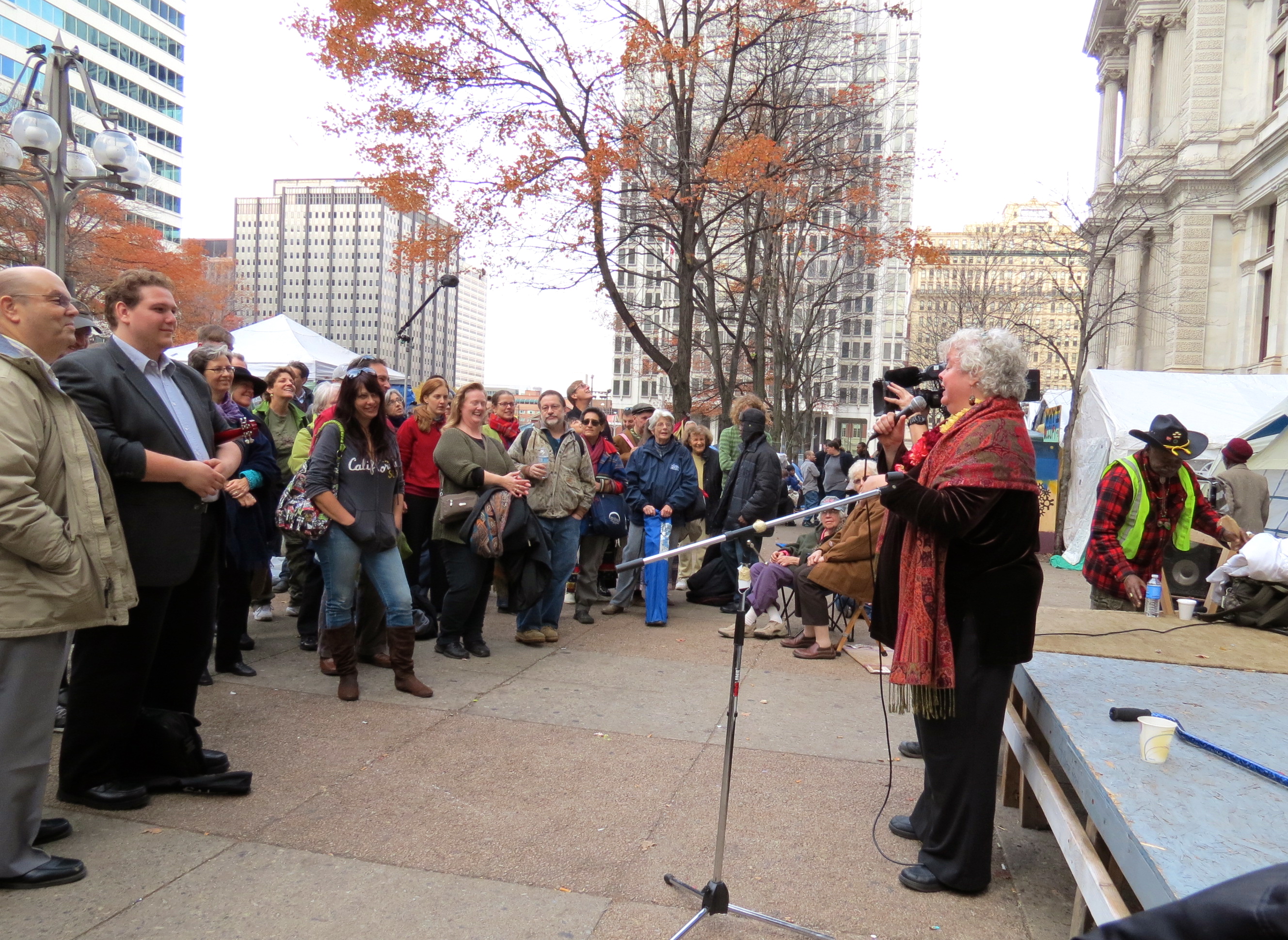
On a pleasant fall afternoon, Nada Alwali, journalist, writer and researcher from Bahrain, and Holly Phares, Choir Director at Tabernacle United, participated in the afternoon program at Occupy Philly.














 Psalmboxkey's Blog
Written
on 12/01/2011