Photo Challenge: Eye Spy


“I saw it!”


I wandered through the winding lanes of the old city, Medina, a labyrinth of alleyways to the Grand Socco and then to the market with stand after stand of vegetables, fruits, spices and meats. Vendors stepped out from their stores, enticing me with merchandise–leather handbags, bracelets, scarves, and bongo drums–and “reasonable” prices. Tangier is also a modern city with gleaming white modern buildings reflecting the sun.
A trio of photographs with subjects in threesome in locations throughout the city:

Stopping at a colorful tea room, I caught reflections on the ceiling of green and red light from a lantern, the host pouring tea from a silver pot and a stained glass window reflecting color on the back wall. The mint tea tasted refreshingly sweet, and the cookies had an unusual flavoring, very tasty. At a popular tea room, musicians played music and sang as we sat at round tables eating round cookies.

Tie Up at ATM, like every other place in the world.

Armed guards stand outside a government building. Why military men patrolling the streets carried machine guns, I’m not sure. I thought about the ISIS threat and their attempts to disrupt peaceful coexistence, or were the soldiers keeping a watchful eye on their own countrymen?

November 6, 2015
On this day, Philadelphia became the first city in the United States to be designated as a World Heritage City. Philly has joined 266 cities with this honor, including Paris, Florence, Prague and St. Petersburg. The City of Brotherly Love, so named by William Penn, who used the Greek words for love (phileo) and brother (adelphos), has earned its nickname: abolitionists, animal rights and Aids activism and origins of ACLU. Philadelphians are active protestors.
Philadelphia is a city of neighborhoods and each has their own charm. An exploration into any one of the city’s 18 districts, visitors can find ethnic food, bike paths, hiking trails, historical streets and buildings, entertainment facilities, parks, sport’s arenas, cultural events and eclectic shopping. The visitor will not have to travel far to find a mural to admire.
In celebration of this wonderful accomplishment of our city, I’ve posted my favorite photographs of our hometown.
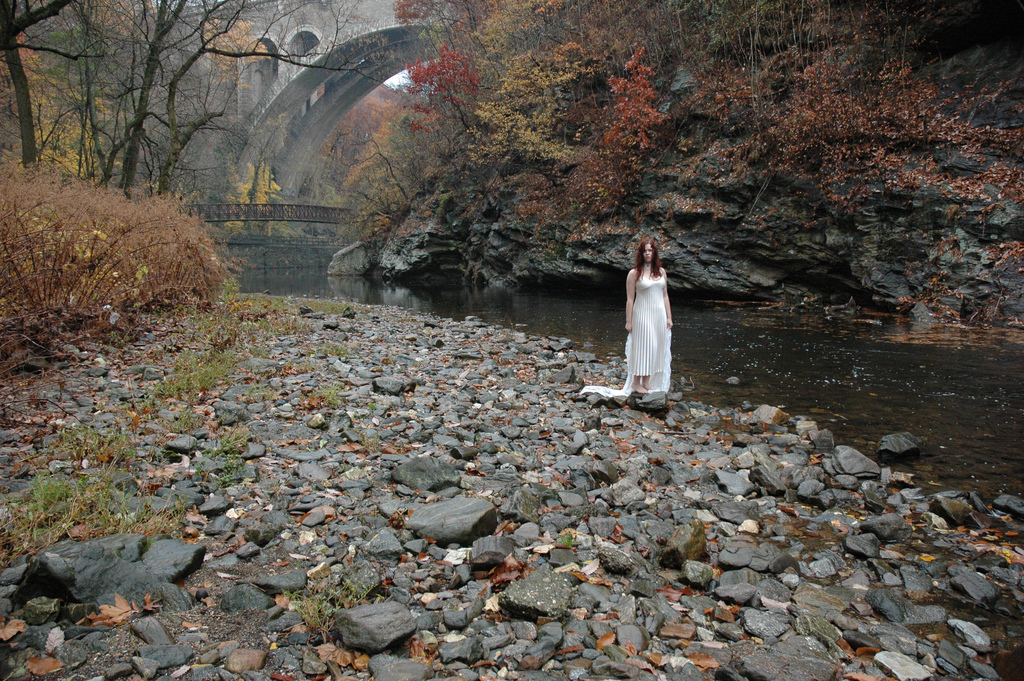
Forbidden Drive Photo Credit J. R. Blackwell

From the sailing ship, Amistad, on the Delaware River

Sculling on the Schuylkill River


Dilworth Plaza in front of City Hall in the Summertime
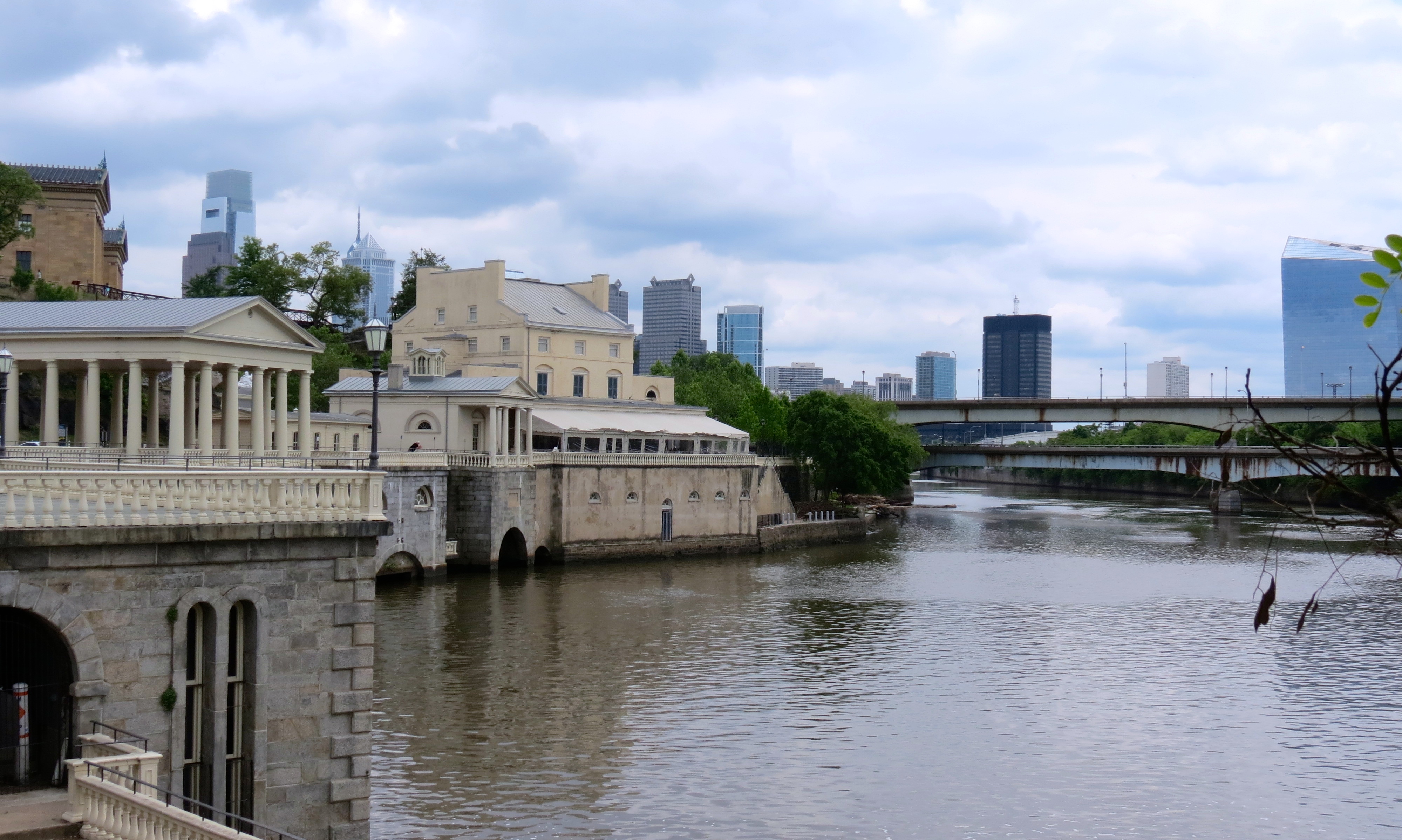
Water Works on the Schuylkill River

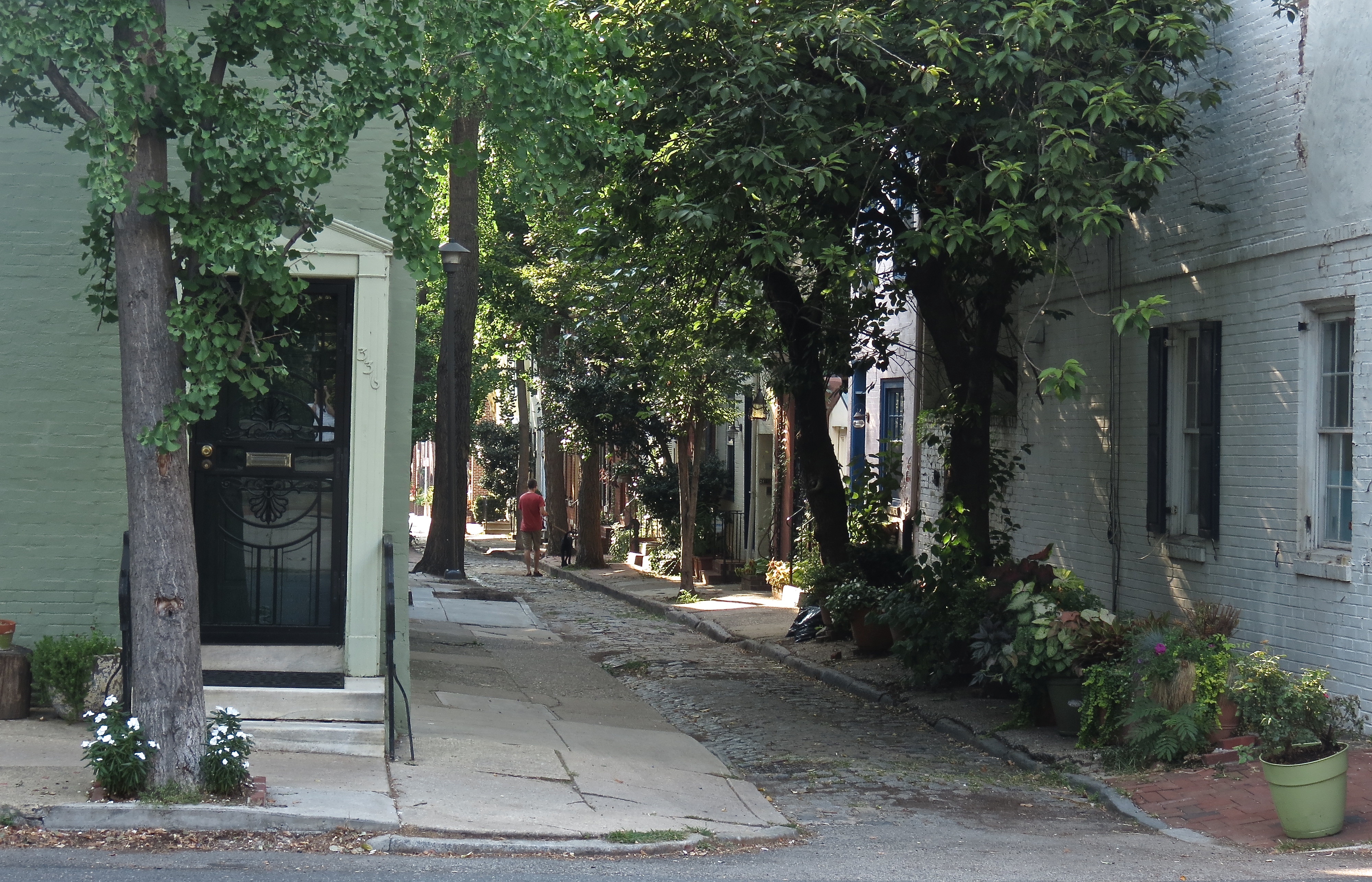
Side Street off of Filter Square

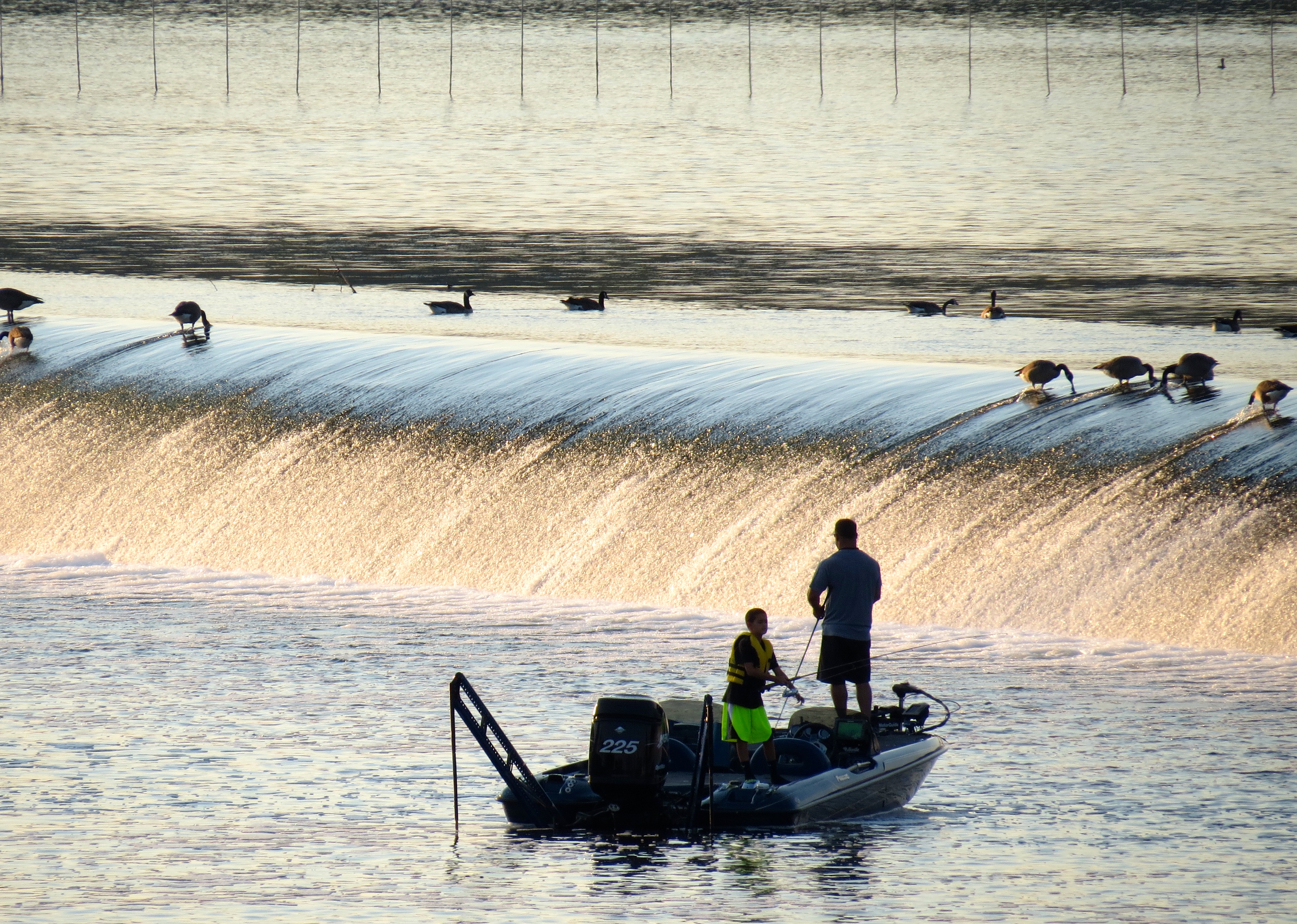

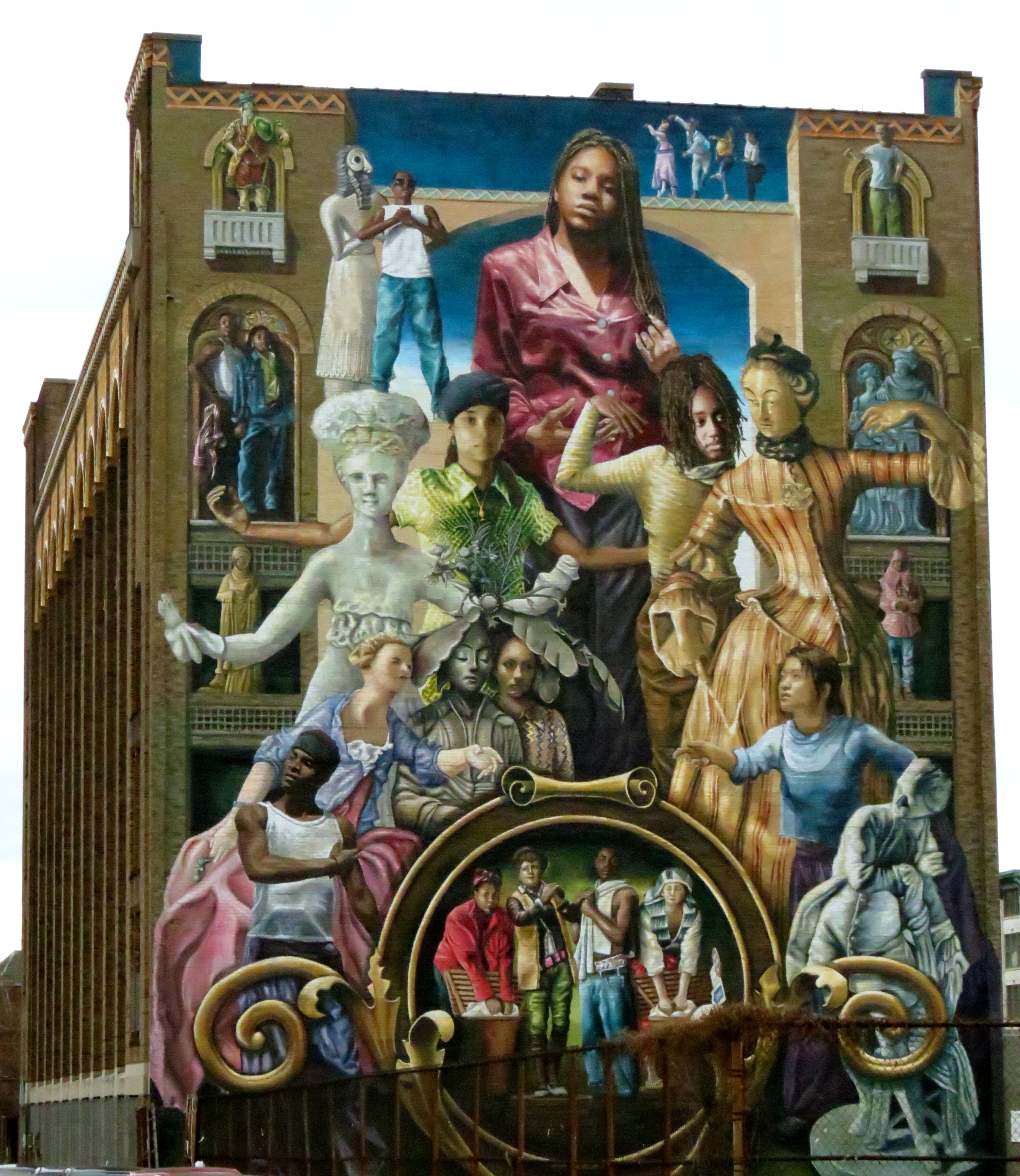
One of the 3,000 Murals across the City

Mullica Hill is a town in New Jersey, just a twenty minute car ride from Chester, Pennsylvania, on the Delaware River. Every summer, our family would drive through the town on the way to Cape May, our seashore destination. Farmland surrounds the village, and we would stop at one of the many roadside stands selling garden produce, always picking up fresh tomatoes and corn. To this day, nothing matches the flavor of Jersey vegetables.
Our rush to get to the shore meant forgoing a visit to the town, always intending to stop because of the appeal of the charming clapboard buildings that lined both sides of the street. Antique and collectible stores occupied several of the buildings, some of which dated back to the 18th century. I admired the decorated store fronts, festooned with flowers while eclectic items spilled out of the shops.
About 25 years ago, the village was placed on the National Register of Historic Places and the New Jersey State Register of Historic Places in recognition of the town’s historic and architectural significance.
The second weekend in October Mullica Hill hosted a pumpkin festival and Civil War reenactment, so on a warm autumn morning, I drove through the countryside to finally visit the town. Stores displayed Fall motives with pumpkin and squash displays. I found places to eat such as Amelia’s Teas and Holly, The Canteen and the Blue Plate, which offers “Farms to Fork” with a listing of local farms from which they buy their ingredients. Musicians played from a porch on the main street, adding to the festive atmosphere.
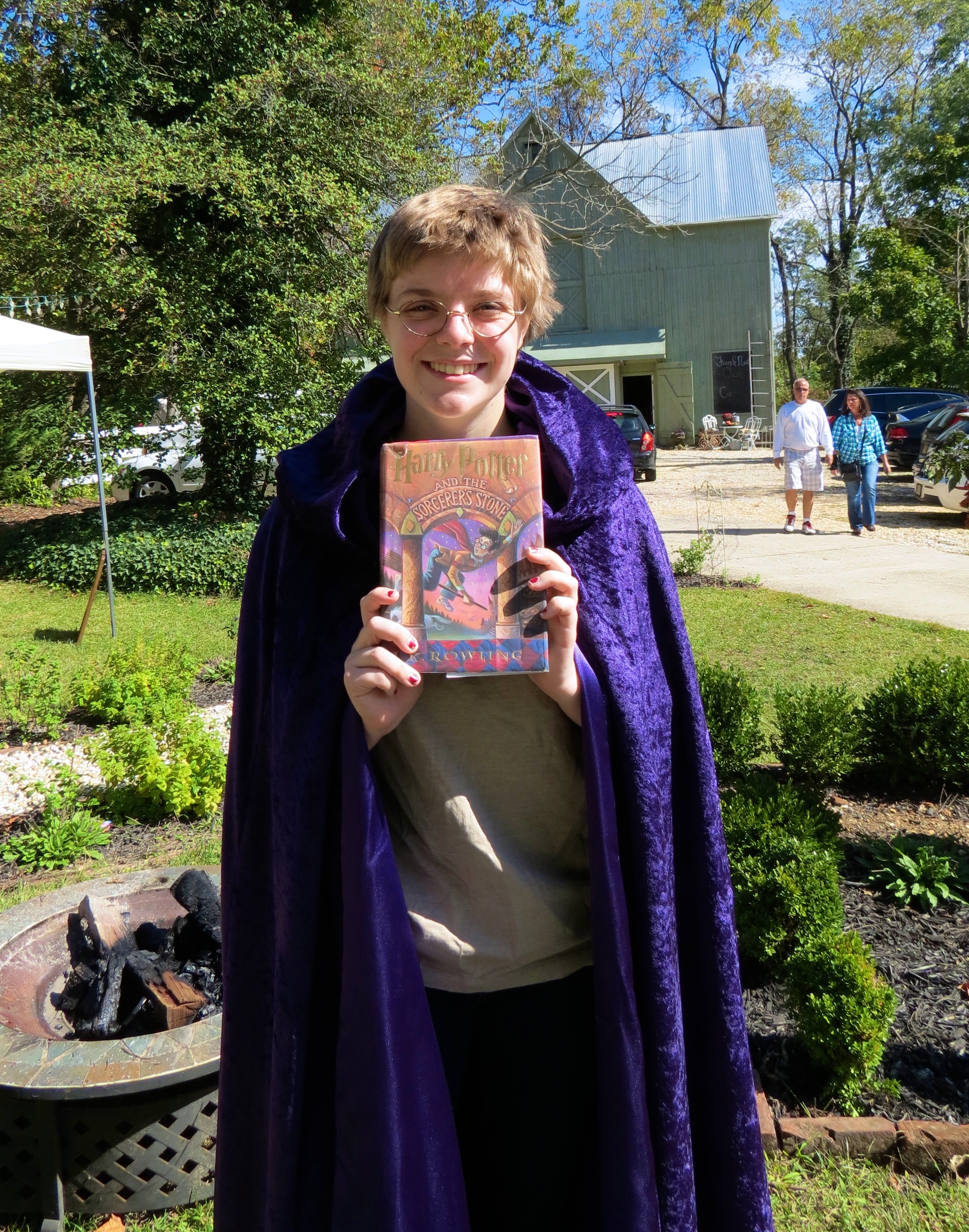
Harry Potter Story Time
Mullica Hill claims a connection to the Civil War through native son, Samuel Gibbs French (1818-1910), author and Confederate General. He owned a plantation in Mississippi when he was appointed brigadier general of the army of the Confederate States. Gibbs wrote about his war experiences in his book, Two Wars.
In addition filming the Civil War reenactment battle, I strolled around the camps, taking in the aroma of camp fires. Reenactors shared their knowledge of guns and cannons as well as other artifacts from the era. I stopped to listen to music performed by 26th Mifflin Guard band.
Returning to Mullica Hill was special, as I had friends who were participating in the living history demonstrations and could share a moment with them. Perhaps this was the time I was meant to be there.
Campsites
Union Forces:
28th Regiment, Pennsylvania Volunteer Infantry, Company C
2nd Regiment, Rhode Island Volunteer Infantry
Confederate Forces:
2nd Regiment, Texas Cavalry
7th Regiment, Virginia Calvary
9th Regiment, Virginia Cavalry
1st Regiment, North Carolina Artillery, Battery C
19th Regiment, Virginia Volunteer Infantry
Our MeetUp group, Get Out Philadelphia Adventure, held a full moon hike at Tyler Arboretum, located in the western suburbs of the city. Gary, who participated in the hike in earlier years, graciously made all the arrangements for our MeetUp event and greeted us as we arrived.
The arboretum had its beginnings in 1681 when King Charles II granted William Penn a tract of land. Thomas Minshall, a fellow Quaker, purchased the land from Penn and established his homestead, while taking care to plant a variety of trees.
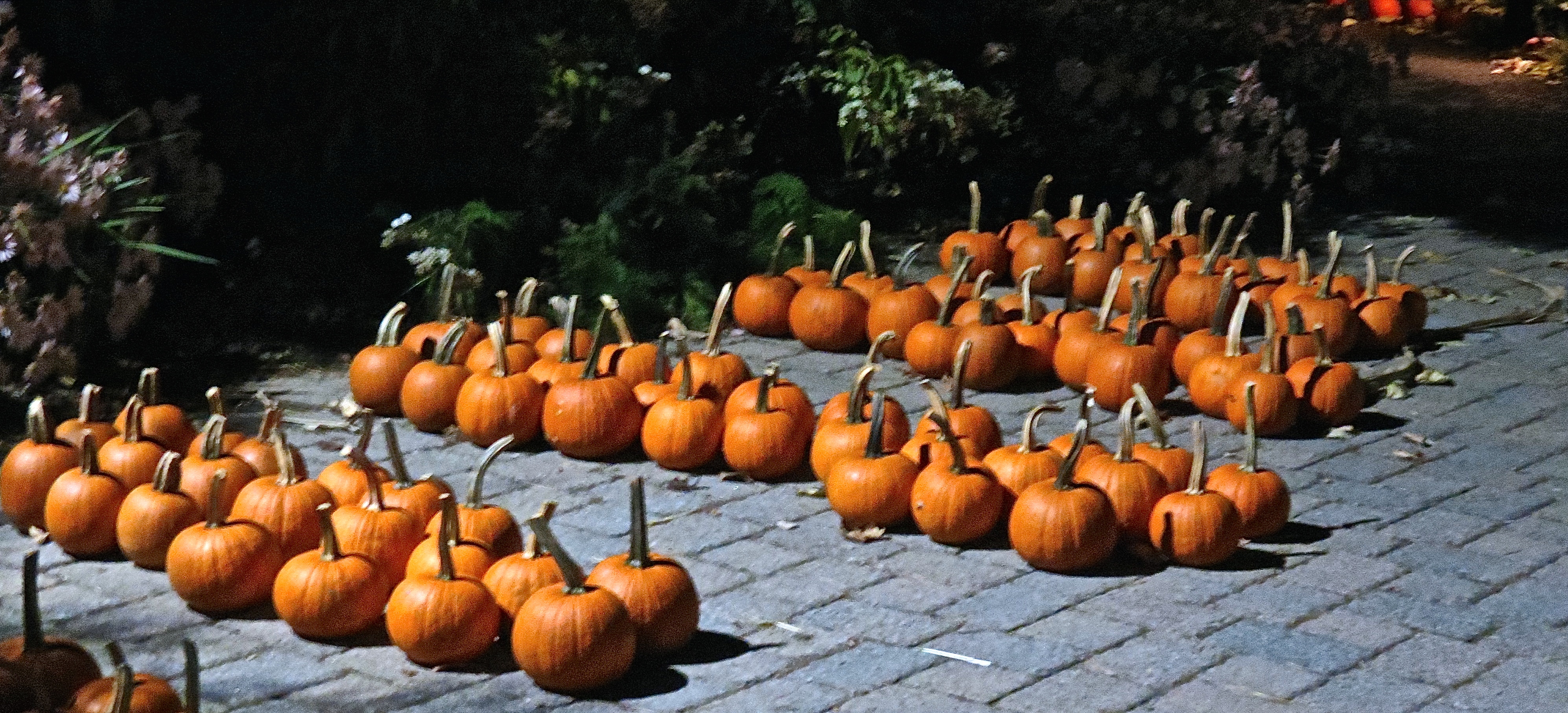 As I drove into the parking lot, the moon was just above the trees and shining brightly against the cloudless sky. A display of pumpkins and carved faces greeted me at the entrance. Seems right that a full moon in October must also have pumpkins scattered about.
We gathered in the barn for hot beverages and conversation and met our guides, Rachel Ndeto (on right) and Dick Cloud (on left).

Returning to Tyler Arboretum brought back memories of my childhood. My folks would often take my sister and I out to Tyler for a walk in the woods, which was always a special occasion. We would explore around the pond, the barn and the spring house, peeking in the windows of the stone structure.


Coincidently, I remembered that one of my Dad’s favorite songs was “By the Light of the Silv’ry Moon.”
By the light of the silvery moon
Your silvery beams will bring love’s dreams
We’ll be cuddlin’ soon
By the silvery moon
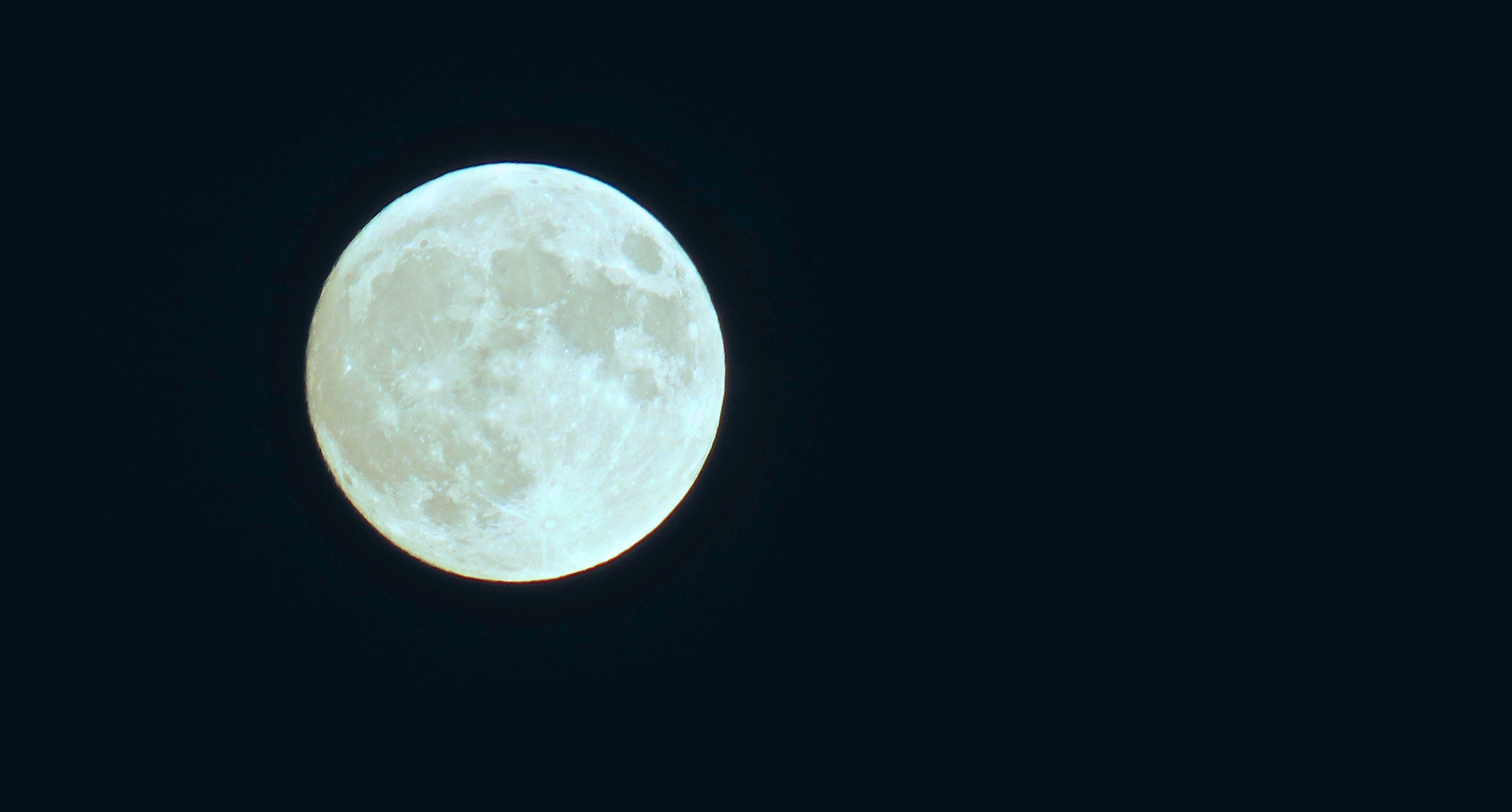
As we began our walk, Dick reminded us that it takes about ten minutes for our eyes to become accustomed to the low light. He suggested flashlights with green or red filters so that the moonlight would not be compromised. As I started walking past the barn, the ground appeared black and could see very little of what was beneath my feet. Only when the moonlight shone unobstructed, then the ground took on the look like a low-level floodlight as our long shadows followed us up the first hill.
Dick stopped along the way to tell us about the history of Tyler and of the plants. Walking through the nightscape, other senses became heightened. The night air made the scents of the forest strong; and when we passed a grove of katsura trees, the aroma of cotton candy drifted into the damp air. During the Fall, the heart-shaped leaves smell like burnt sugar. Further on the trail, we rubbed the leaves of the Spice Bush, a common understory shrub of eastern forests.
We passed through meadows, the moonlight accentuated the outline of the forest in the distance while dancing over the low grasses. The architecture of isolated trees, such as the dogwood, with its delicate sprawling limbs became vivid against the dark landscape.

Leaves on the trees and shrubs caught the light in delicate patterns. Soaring over 100 feet straight up, tulip poplars stood like sentinels above us, their black silhouettes rising against the moon’s beacon. I tried to concentrate on my footing as we moved along the trail, sometimes slipping on a rolling rock or tripping over a protruding stump, as the leaves rustled with the passing footsteps. Rachel said that logging had stopped in the area in the 1860s, so the poplars could be well-over 125 years old.

We hiked for just over three miles, the path narrowing and snaking along a hillside, then crossing Rocky Run stream several times, discovering Indian Rock and finally returning to the barn for refreshments.

Hiking in the moonlight inspires the spirit of adventure, wandering into the darkness with only reflected light as a guide. Moonlight presents a new way of looking at the forest that cannot be experienced in any other way. With the stars sparkling through the dark canopy of the trees overhead, the cool soothing air of the evening, all is still and quiet with nature on the moonlit night.
Years ago, I rode the Market/Frankfort Elevated Line into the city for my summer job, when the General Electric Company occupied a building on Walnut Street and 30th Street. So I thought that this tour would remind me of that time, but the city had renovated all the stations, and some of the familiar sites along the route had disappeared. As I looked through my reflection in the window, I wondered about all the passengers stepping on and off the train. Where are they now? Much has happened over those years, and I never could have predicted that I would return to ride the el on The Love Letter Mural Tour. Is my camera out of focus or is it the distortion of tears, as these moments pass away as quickly as those many years. I look to the murals for inspiration.
Over 3,000 murals occupy places in the Philadelphia landscape. The mural program began in 1986 as an anti-graffiti initiative. I’ve written several posts that have referenced some of these murals: Art Imitating Life and Using Art to Create Scenes. A popular project in the mural series is Steve Powers’ A Love Letter For You. Fifty rooftop murals follow the Market Street corridor from 45th to 63rd Streets. In these love letters to his girlfriend, the artist expresses a tender reconciliation, while also showing his appreciation for his neighborhoods in West Philadelphia. In Powers’ own words,
Love Letter is “a letter for one, with meaning for all” and speaks to all residents who have loved and for those who long for a way to express that love to the world around them. He considers the project “my chance to put something on these rooftops that people would care about.”
The New York Times, the Wall Street Journal, and PBS have all featured stories on the Love Letter Tour.
The tour began at the Pennsylvania Academy of the Fine Arts, which is both a school and a museum, and describes its mission as, “promoting the transformative power of art and art making.” I felt as if I had crash-landed there upon seeing this scene in the adjacent alleyway, Lenfest Plaza.
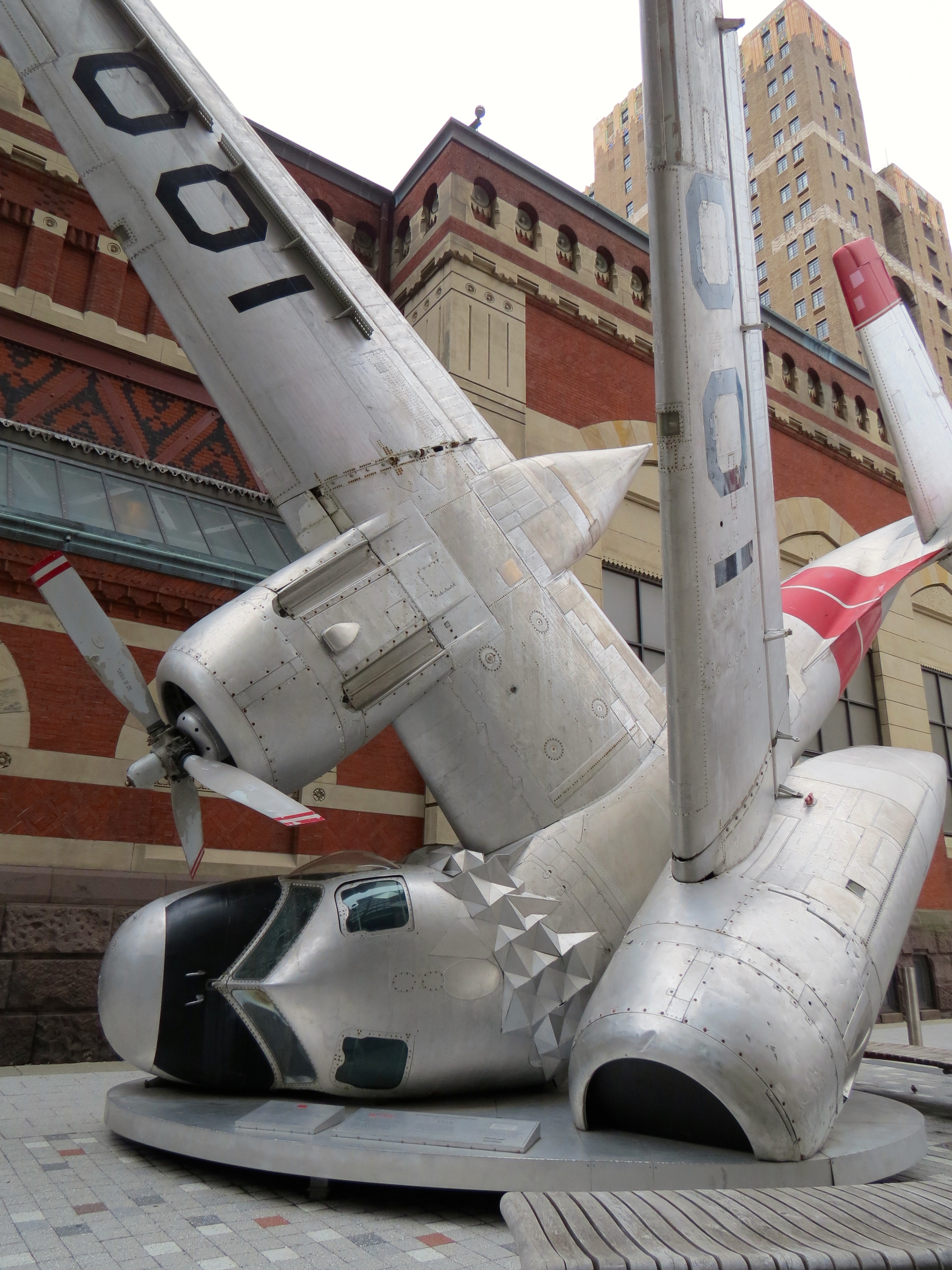
Jordan Griska created this sculpture in 2011 from a Navy combat airplane; and as if finding a plane nose-dived into the sidewalk is not surprising enough, inside the cockpit a greenhouse supports a garden.
The museum was equally fascinating, with many interesting displays and exhibits, which was an added bonus to the start of the tour.
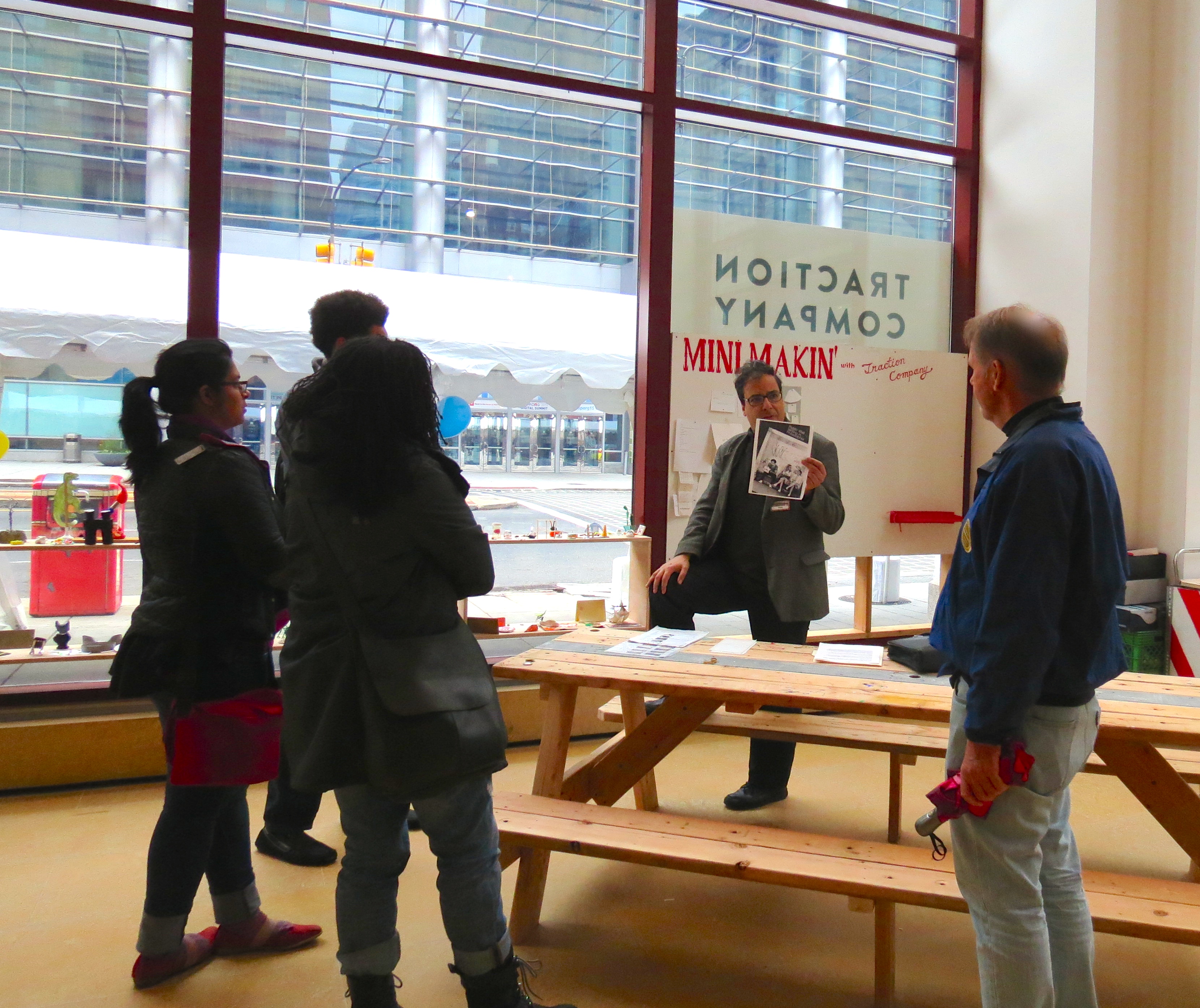 We were fortunate to have as our guide, Harry Kyriakodis, a historian who has written several books on Philadelphia history including Philadelphia’s Lost Waterfront, Northern Liberties: The Story of a Philadelphia River Ward, and The Benjamin Franklin Parkway. Harry is a founding member of the Association of Philadelphia Tour Guides.
Harry related the history of how and why the murals were created by Powers, who began his career as a graffiti artist and eventually earned a Fulbright scholarship. After handing each tour participant a token for their ride on the Market/Frankford line, we walked to the 15th Street el stop.
Ride with a View
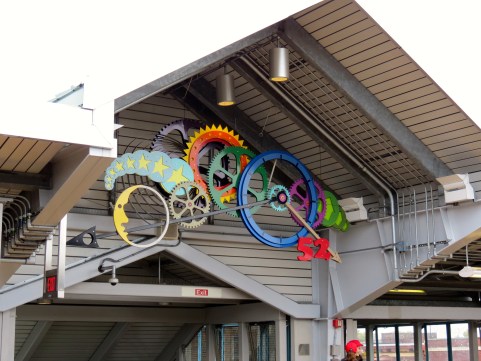
One percent of the construction cost of the station had to be spent on an artistic representation.
Harry pointed out the murals as we sped through the Philly neighborhoods. We stopped at several station platforms to study the paintings. One of the first murals we viewed was this one along the side of a brick building:

Ah, dare to dream
What makes these series of murals so compelling is that they arise from tattered rooftops, with crumbling chimneys, rotating vent fans, noisy air-conditioners, and rusty gutters as companions. The contexts make the murals even more endearing, affirming that love can spring from the most mundane of locations. Despite these rooftop distractions, the messages are clear.

Standing on the platform
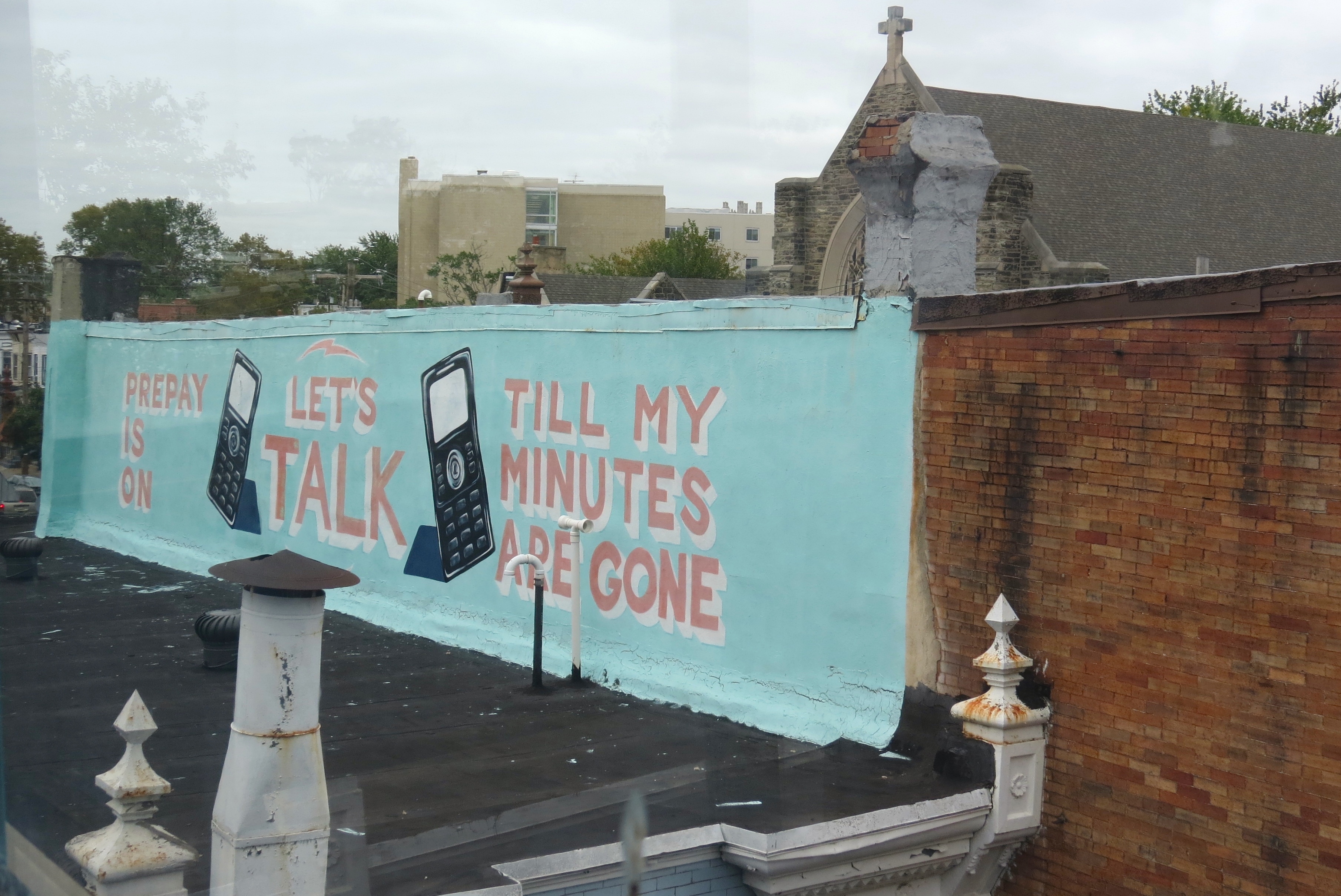
A wish

Seems so

That would be amazing
Powers and his team created the murals by painting directly on the walls without the protective cloth that is used on most of the city’s murals, which means that the paint is slowly fading. For now, these messages offer to the el riders the inspiration of love that reconciled and lasted. That’s all I needed to know.
After photographing this little critter, I scanned the Internet to find out more about the caterpillar. What was not surprising to learn: their spiked hairs carry a skin irritant, and if one puts hands in mouth after touching, will be subjected to much pain and swelling. It seems, however, that despite the yellow and black coloring and spiked hairs, some humans still cannot resist picking them up.
This week’s challenge is to find beauty or interest where we might least expect it.
In walking through the neighborhood of Mt. Airy, I stumbled on the Philadelphia Salvage Company. Suitcases and trunks piled on an old railroad cart, and metal cans spilled over the sidewalk. I didn’t linger too long outside in the cold. On entering the building, I noticed a cast iron stove, pumping warm air through the building, and I warmed my hands as a looked around, mesmerized by the array of architectural salvage, from stained glass, plumbing and electrical fixtures, antique doors and windows.
A well-worn tea kettle bubbled boiling water as steam spewed from its spout.

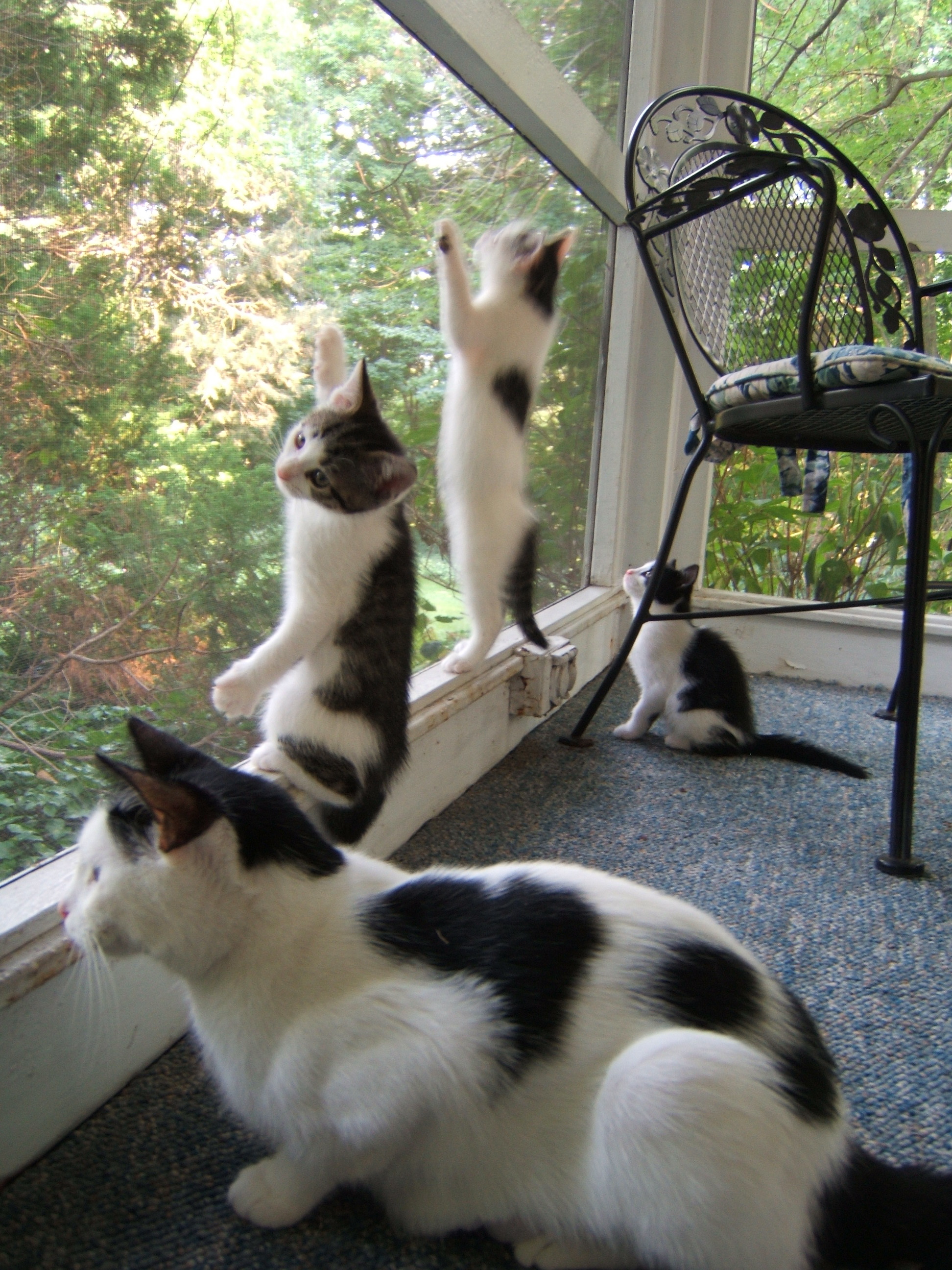
Not to be boxed in, to be able to transcend boundaries: for an artist, it’s essential.
–Shahzia Sikander
Also applies to kitties.


How Social Services Provide the Mechanism to Help our Fellow Citizens


 Psalmboxkey's Blog
Written
on 12/04/2015