Humble Contributions to the Peoples' History

So why do we head out into the chilled night air to look at pumpkins?

From ghoulies and ghosties
And long-leggedy beasties
And things that go bump in the night
Good Lord, deliver us!
               Scottish Prayer

Halloween has always been my favorite holiday. Growing up, I thought it was everyone’s favorite because our family made the day a special celebration. I attribute that fondness for the holiday to my Mother, who was born in Scotland and brought with her the spirit of Halloween with stories of ghosties and ghoulies. My neighborhood friend, Joan, reminded me that Mom would peel apples for us, taking care to not break the peel. Each of us then tossed the peel behind our backs to see if  ghostie would grant our wish. Halloween originated in Scotland dating back when the ancient Celts celebrated Samhain, marking the end of summer and the beginning of the dark half of the year. The Celts celebrated the day by wearing masks, called “guising” or going into disguise, to scare away evil spirits. Halloween night seemed to be mystical experience–dressing in costumes, wandering about in the cool evening air, and thinking about the specter of strange and otherworldly happenings.

When Fall came around, our family usually headed out to the country to buy gourds, indian corn and pumpkins. We carved our pumpkins into jack ‘o lanterns; the tradition arises from the strange occurrence of light flickering over peat bogs. Originally turnip lanterns provided the Halloween decorations in Ireland and the Scottish Highlands.

Despite all the talk of witches, fairies, ghosts, skeletons, devils and apparition of all sorts I knew that these references were merely whimsical. Mom was firmly planted in reality and folk beliefs were just stories. Mom clearly identified superstitions, including most religious customs, and separated fact from fiction. We had so much fun trick-or-treating around the neighborhood with our friends. Supposedly, the idea was to threaten a trick if we didn’t receive a treat, but that scenario was never part of our tradition.
Harvest moons, apples, hayrides, anything to do with the season still resonates with the whimsy of my childhood so it seemed only natural to drive out to Chadds Ford to see the Historical Society’s annual pumpkin carving contest this past weekend. The Great Pumpkin Carve, a Chadds Ford tradition, began in the 1970s and spread from a few porch displays at the Chads Ford Inn to covering the entire lawn. All the pumpkins used in the contest are native grown, some weighing as much as 400 pounds.

What I imagined as a few pumpkins displayed in field turned out to be an explosion of activity. It seemed as if everyone in the county turned out to view the works of the pumpkin artists! Nobody could be disappointed.  Below just a few of the displays . . . .
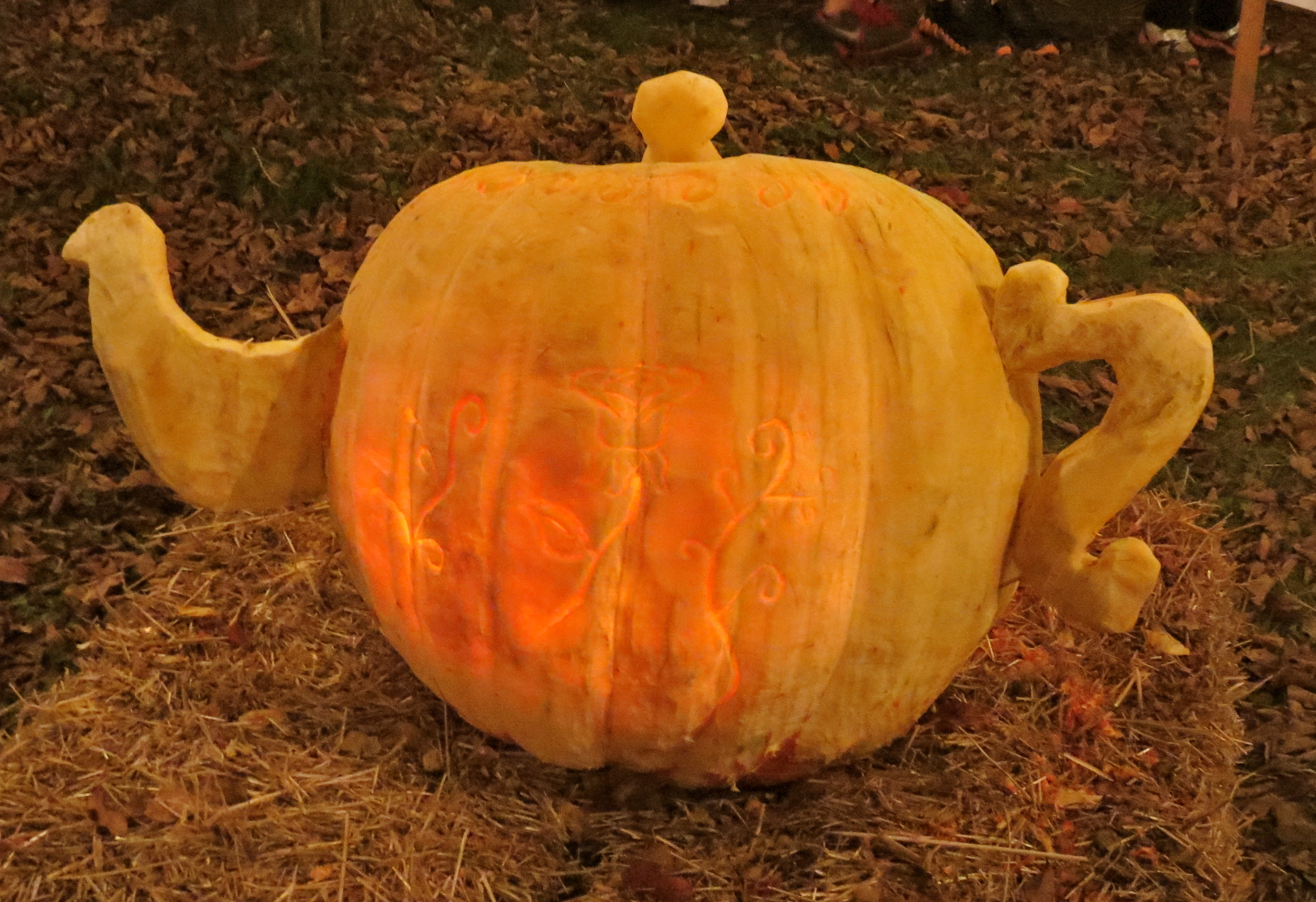
I’m a little pumpkin, short and stout . . .

Ouch!

An entire story on the surface of a pumpkin . .
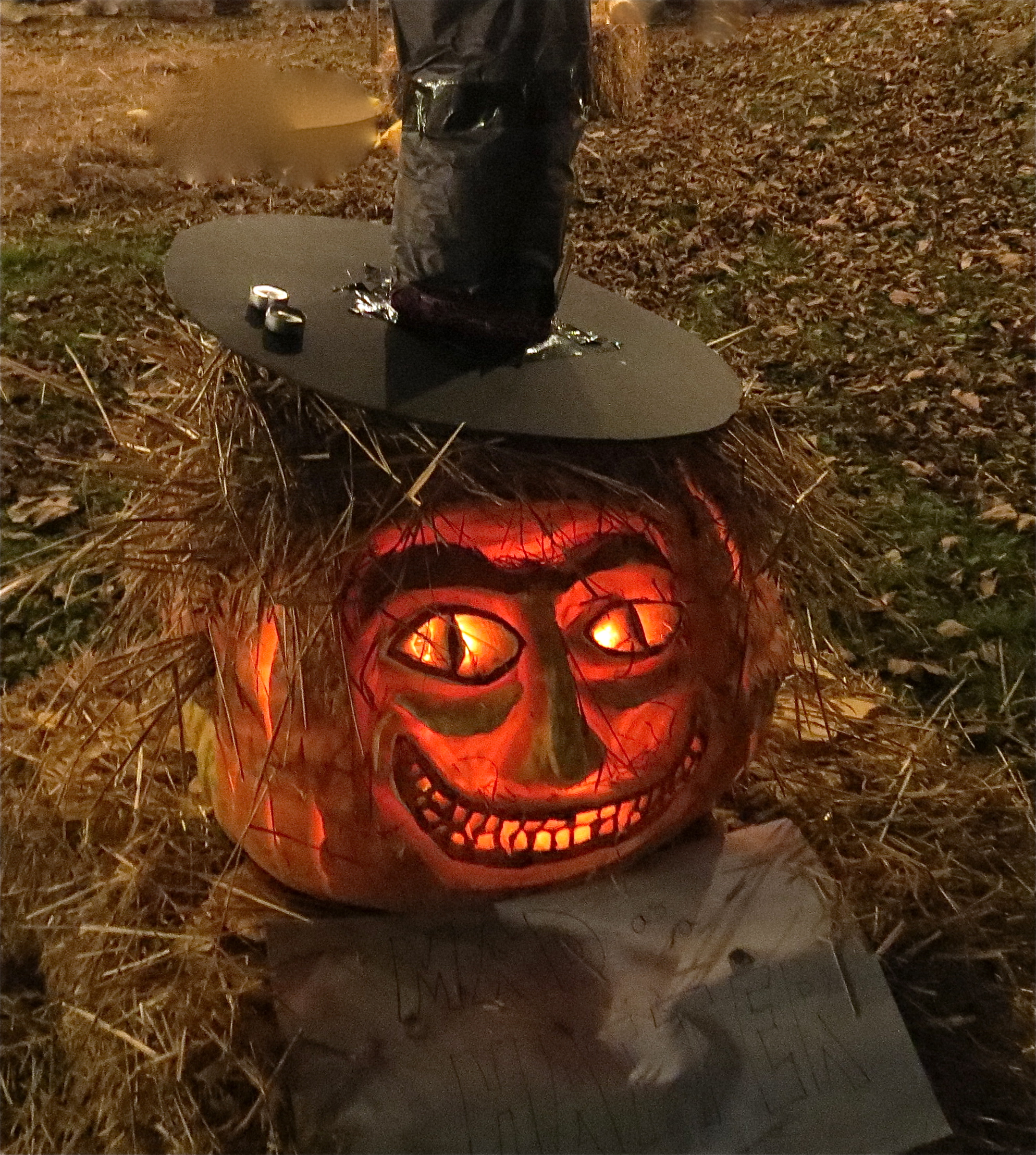
Mad hatter, no less
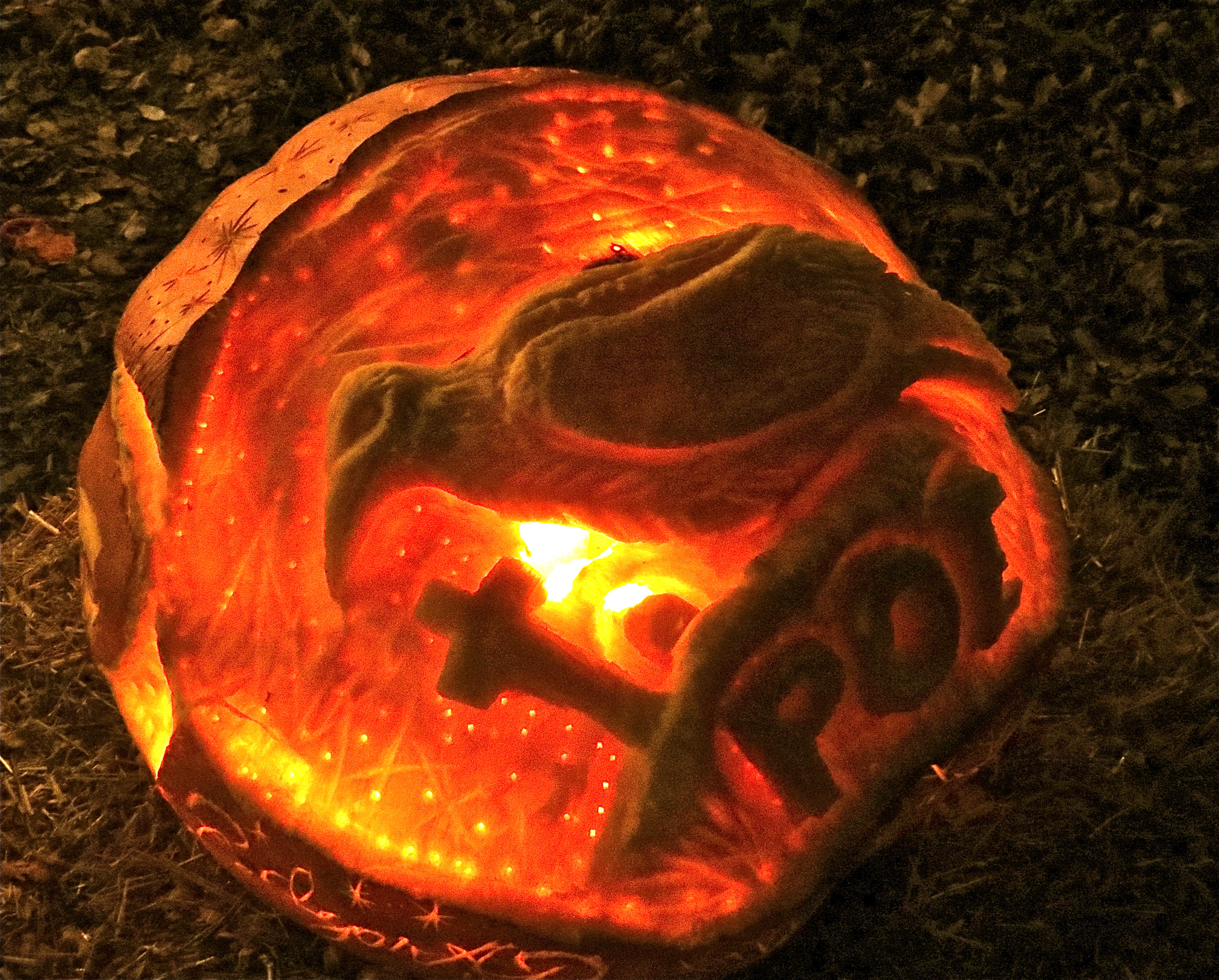
Nevermore

Calling wolf

Friends, cider, pumpkins and enjoying the moonlit night . . . it’s Halloween!

Several months ago I wrote a post for International Women’s Day, Appreciating the Needlework of Our Grandmothers, in which I described how I sorted, then displayed, my Grandmother’s needlework and quilts. Her fabric art had been left in an attic trunk; with renewed appreciation, I researched different pieces in the collection.

Kay

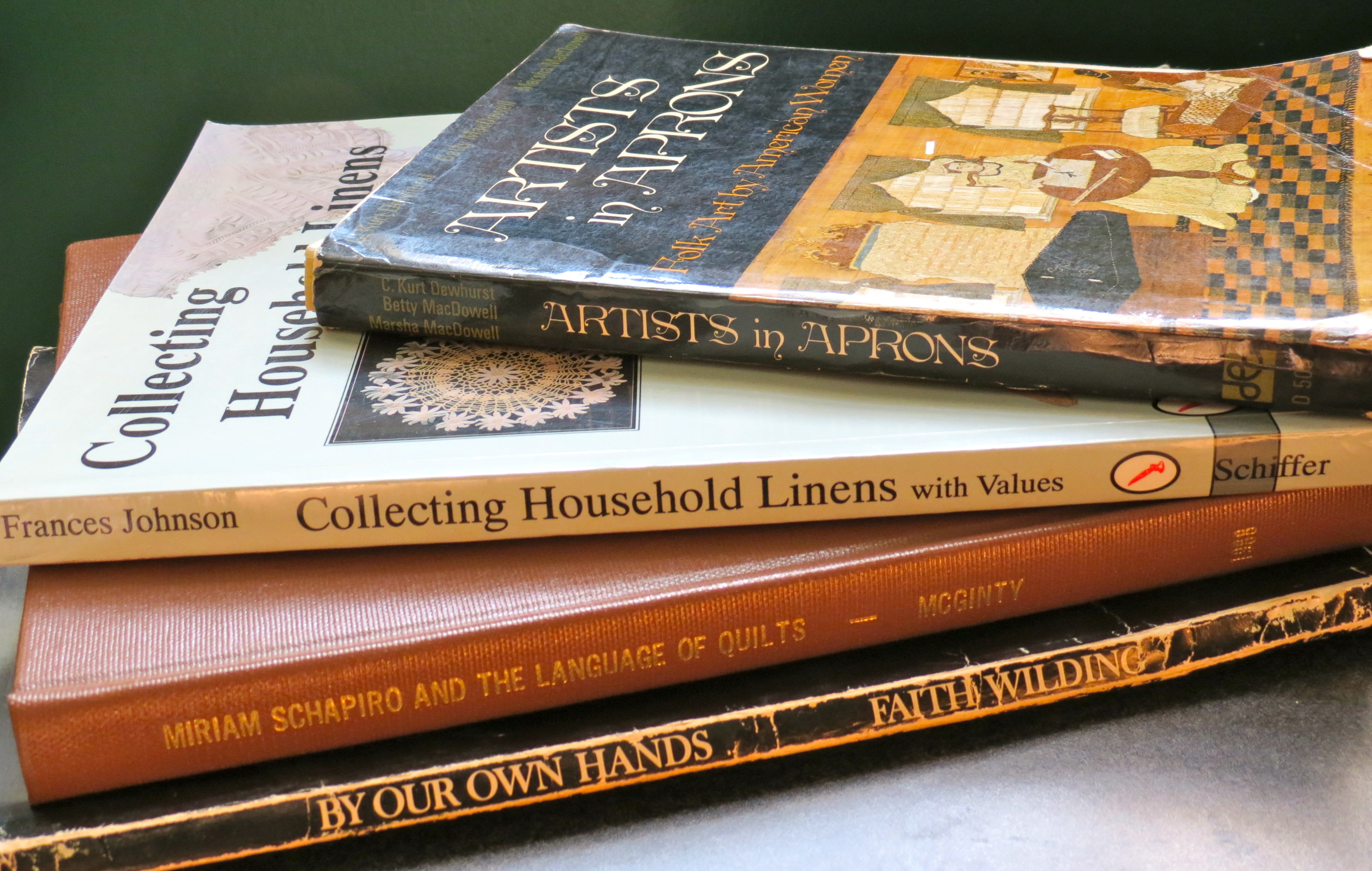
In this post, I’ve included several more photographs of my Grandmother’s quilts and added history on the subject. My friend, Kay McGinty, lent me several books on quilts and needlework. For her graduate work, Kay completed a thesis entitled, “Miriam Schapiro and the Language of Quilts,” which offered an informative study of Shapiro’s artistic creations. Schapiro, a leader in the feminist art movement, used elements of quilting in her creations and brought quilting into the “realm of high art.” Using the quilt as a model, Schapiro incorporated quilting patterns and designs into her collages.

Brooklyn Museum: Anonymous was a Woman

Anonymous was a Woman
Miriam Shapiro
Acrylic and Collage on Paper
Brooklyn Museum

The early 1970s saw a flowering of popularity for quilting as art historians began to appreciate quilts as art. Also contributing to the interest, artists began to focus on American crafts, and the feminist movement brought attention to the culture of women’s lives. Artists began to use elements from the heritage of quilt art that women had been practicing for over two hundred years.

Years ago, my father-in-law asked if I would like to have the sewing machine that belonged to his wife. The veneer top had been terribly warped; I was taking a woodworking course at the time and decided to rebuilt the top on the treadle foot cabinet.

1910 Red Eye Treadle Singer 66

Although women mostly quilted by hand, the sewing machine could also be used. This machine, over a hundred years old, can still handle most heavy-duty sewing. Internet sites include those that support human-powered sewing machines; this page displays treadle and vintage sewing machines.

A uniquely American institution, the quilting bee provided the opportunity for women to work collaboratively on the last steps of quilting, the completion of the top of the quilt. The time spent during a bee became an opportunity to share news, discuss politics and learn new skills. Susan B. Anthony spoke at a quilting bee in her first speech advocating for the right to vote.

My Grandmother created this basket quilt in 1936; the basket pattern was popular in the Depression Era. Reflecting the romanticism of the Colonial Revival, baskets were symbolic of the Colonial period.

My Grandmother used bright pastels and a geometric print on this next quilt, representative of another popular pattern during the Depression. Done by hand, this is a particularly labor-intensive pattern referred to as Grandmother’s Flower Garden. In paging through the book, Artists in Aprons, I came across a photograph of quilters in Detroit, Michigan. My Grandmother lived in Royal Oak, just outside of Detroit, where in 1938 over 18,000 women attended a quilt show at Wayne State University. Today quilting is a $3.6 billion industry.

The debate continues on what is art and what is craft–what seem to be arbitrary designations. A quilt made for exhibition falls into the category of art while authorities designate a quilt made for a bed as craft. Art created for the home or for function cannot be peeled from the realm of artistic creation. To do so would be to discredit the art women create, many times in extreme hardship or because of limited artistic opportunities. Gathering little pieces of cloth, sometimes from rags, women found a way to express artistic form in quilting and to make that art part of  their home. I never knew my Grandmother, but I can feel her creative presence in her quilts.

Quilting Sites of Interest

Why Quilts Matter

The Quiltmaker

Womenfolk: The Art of Quilting

Quilt History: Layer by Layer

Chiekoville

Beaufort: Legacy of Pirates along the North Carolina Coast

Schooner Wolf

Yo Ho Ho & a Bottle of Rum

As we arrived in Beaufort, we found the town overrun with people streaming down toward the wharf. After scouring the neighborhood streets for a parking place, we headed the way of the crowds toward the waterfront. Some were dressed in colonial costumes–this began to look like fun!

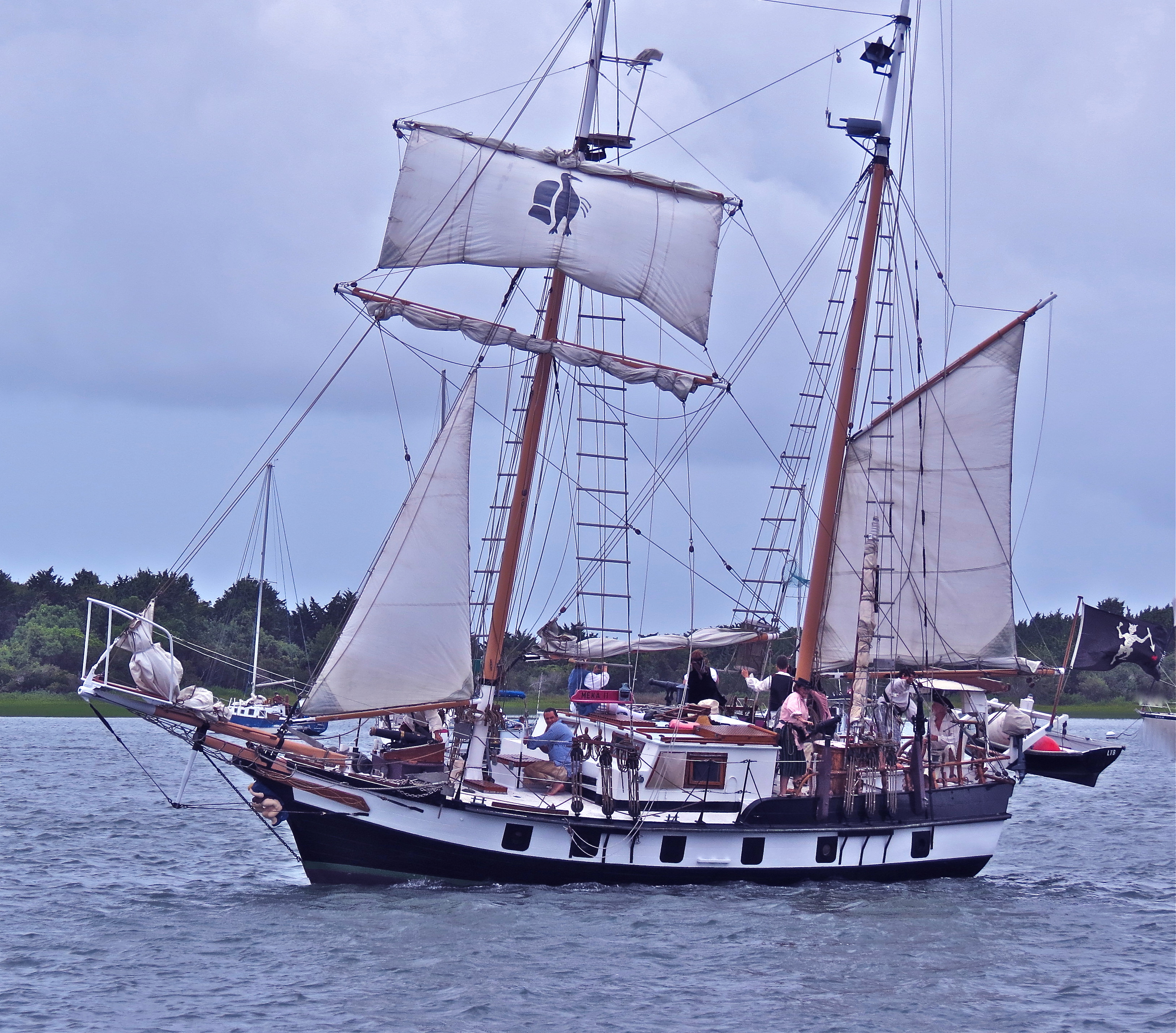
Turns out, we arrived just in time for a pirate invasion! Folks lined the piers and watched as the events unfolded on the river. A classic topsail schooner led the attack by sea, her pirate crew taking aim at the shoreline blasting her cannons. Muskets fired back in defense. Pirates in longboats plowed the water, and buccaneers on land brandished swords. Townsfolk cheered as the pirates clashed with the military guard.

We just happened on Beaufort’s Annual Pirate Invasion: It Takes a Village to Pillage event, the town’s recreating of an actual pirate invasion in 1747. The story goes that Spanish privateers sailed into the harbor and stole several ships, easy pickings when only a few men guarded the coast. Not satisfied, the pirates returned several months later to take the town! About fifty militiamen were not enough to protect the village, so citizens high-tailed it out of the area. After collecting more recruits, however, the militia counterattacked, driving the pirates out for good this time.

Blackbeard supposedly had been a frequent visitor to Beaufort around 1718. The governor of Virginia, tired of piracy along the coast, sent two sloops on a mission to capture Blackbeard; the governor’s ships eventually tracked down the pirate, and an intense sea battle followed in which Blackbeard was killed. Three hundred years later divers discovered the wreckage of his ship, Queen Anne’s Revenge, in Beaufort Inlet.

Capture of Blackbeard

The weekend featured all sorts of pirate activities from sword dancing, to pirate cruises, and costume contests.  The trial and supposed hanging of the pirates highlighted the afternoon. With so many events, I would come back and enjoy the entire weekend! 


More about our stay in Beaufort as well as our road trip through the towns of coastal North Carolina at the link.


August 31, 2012

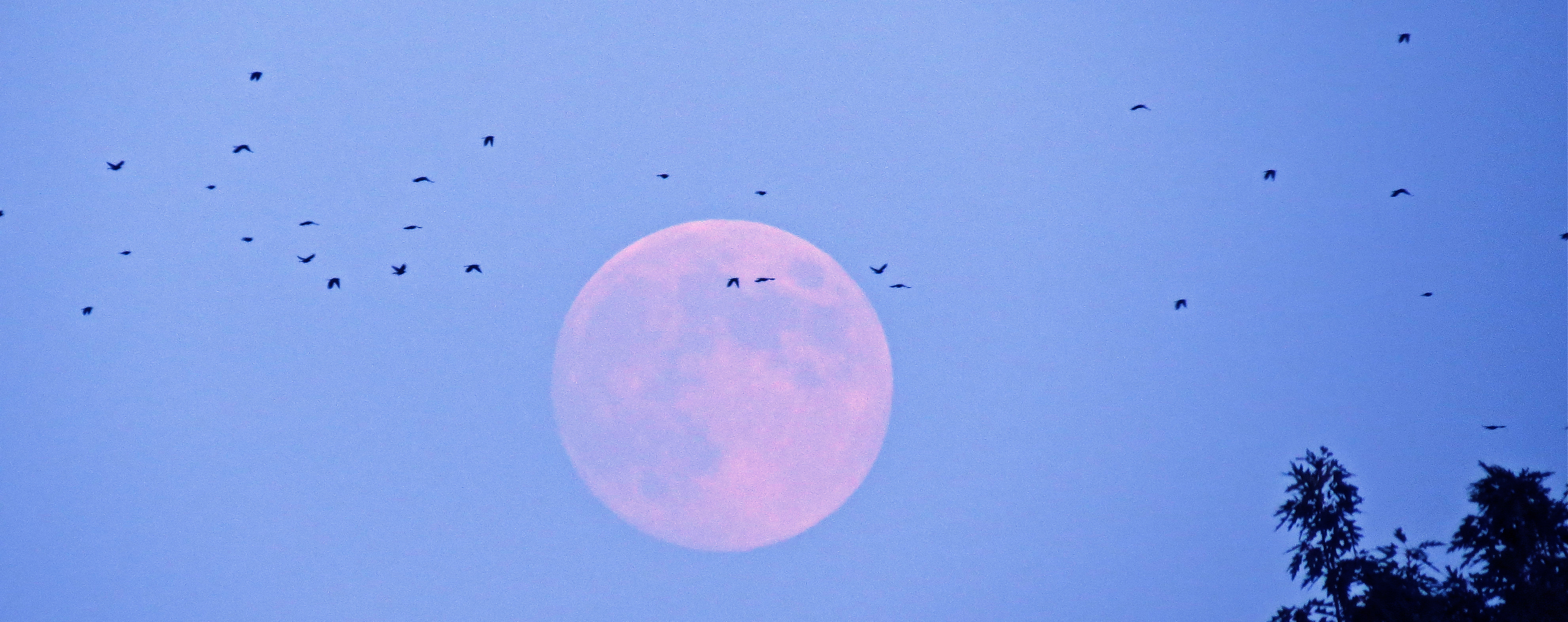
Watching the blue moon rise, a flock of birds flew across the scene reminding me that migration season is upon us and fall is just a few weeks away. The landscape will change from green to shades of orange, red and yellow, but for now I’m thinking blue. I searched for blue flowers to compliment the feeling of tranquility–that the moon will rise and the birds will begin their migration this time of  year.

Perspectives on an Adirondack Chair

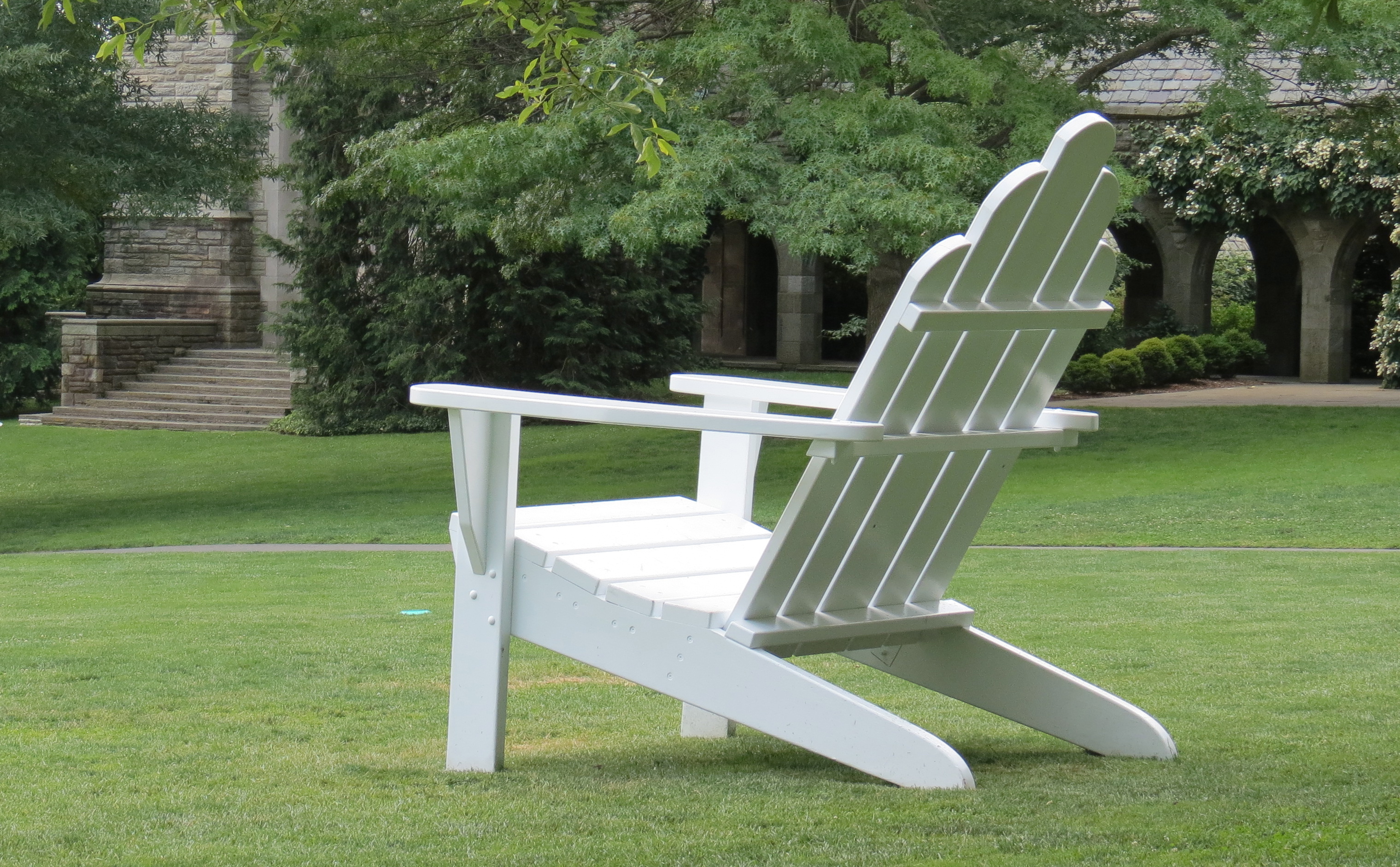
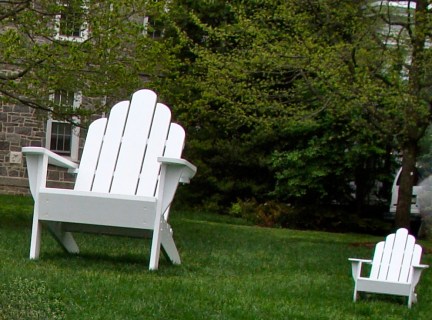
What’s the big deal about a chair? Actually, this chair is so big, about four times larger than a typical chair, and it’s a work of art that has taken on a life of its own. Jake Beckman, a student at Swarthmore College, conceived and built the original chair, which found a place among the other standard-sized Adirondack chairs that dot the stretch of lawn in front of the main hall on campus. Even The Colbert Report featured a segment about the famous chair.

Several years ago the original chair fell apart and was discreetly removed from the lawn. However, the campus community, becoming attached to the Big Chair, clamored to bring the chair back. Jake agreed to return to rebuild the structure, and the chair resumed its place with the others.

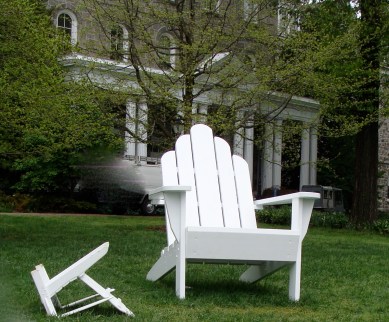
I guess I wasn’t the only one beginning to think metaphorically about the Big Chair. Some unnamed inventives would come by during the night, leaving the chairs in different arrangements, such as the Big Chair leading a line of the other chairs or the Big Chair in the middle of a circle. One morning, the Big Chair stood upright while a semicircle of normal chairs tipped down in front of the Big Chair.

Now I was thinking hard. The chairs assumed the metaphor for power dynamics .  .  . and not just at Swarthmore! I thought about “Big Chair” people, folks that tell us what to do or think: politicians, pundits, advertisers, bosses, CEOs, presidents, board of directors .  .  .  and I’m sure you can think of a lot more. Do we perceive these folks as big in influence, power, authority, and wealth and get drawn into a mindset that binds us to a deferential attitude? Many normal chairs sit on the lawn–there is strength in numbers when we act collectively. And normal-sized chairs serve a real function. We wouldn’t make 25 more Big Chairs.

On reflection, perhaps we do need the Big Chair–reminding us to keep the right perspective.

A bit of research, a bit of luck . . .

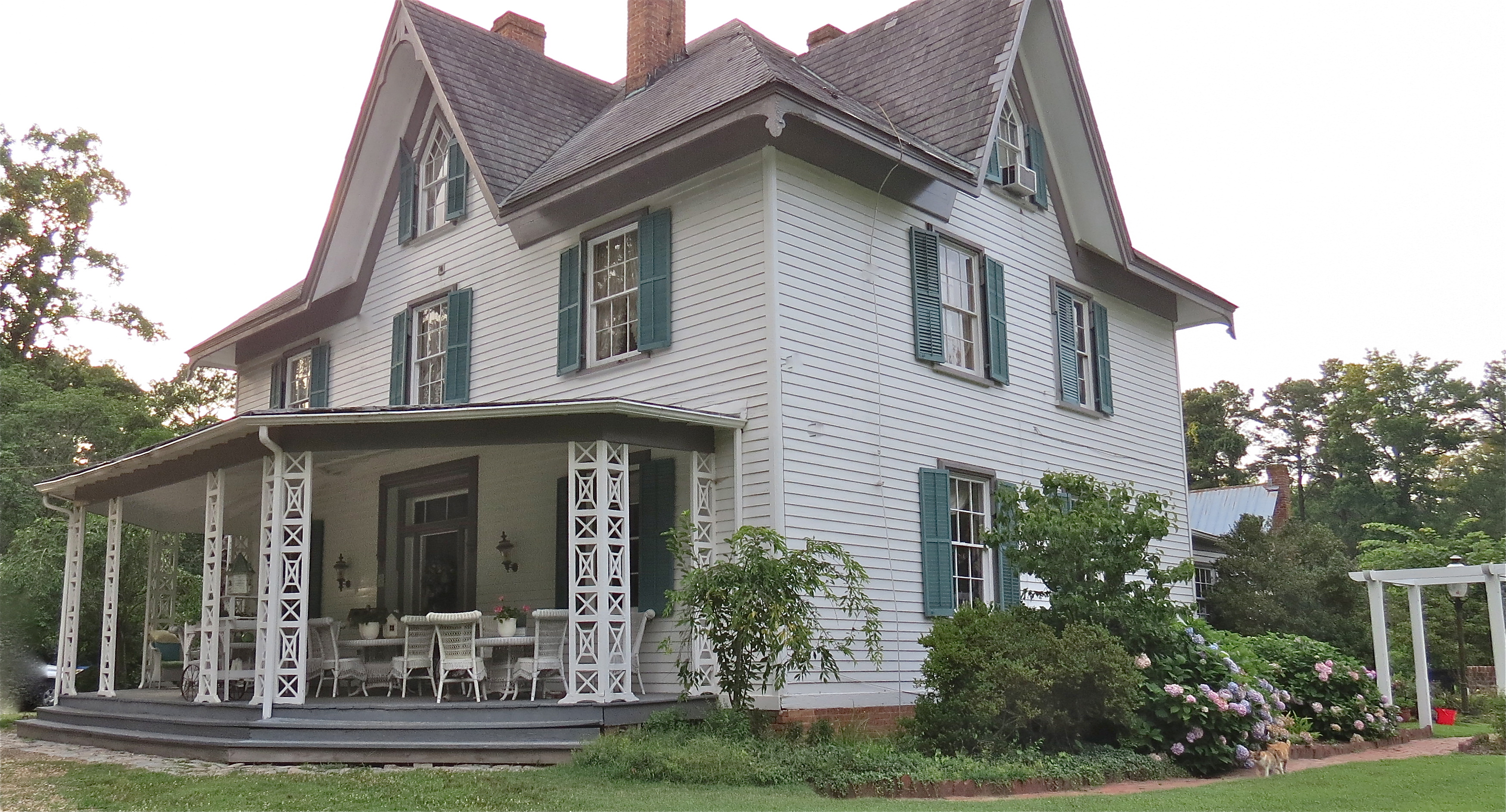
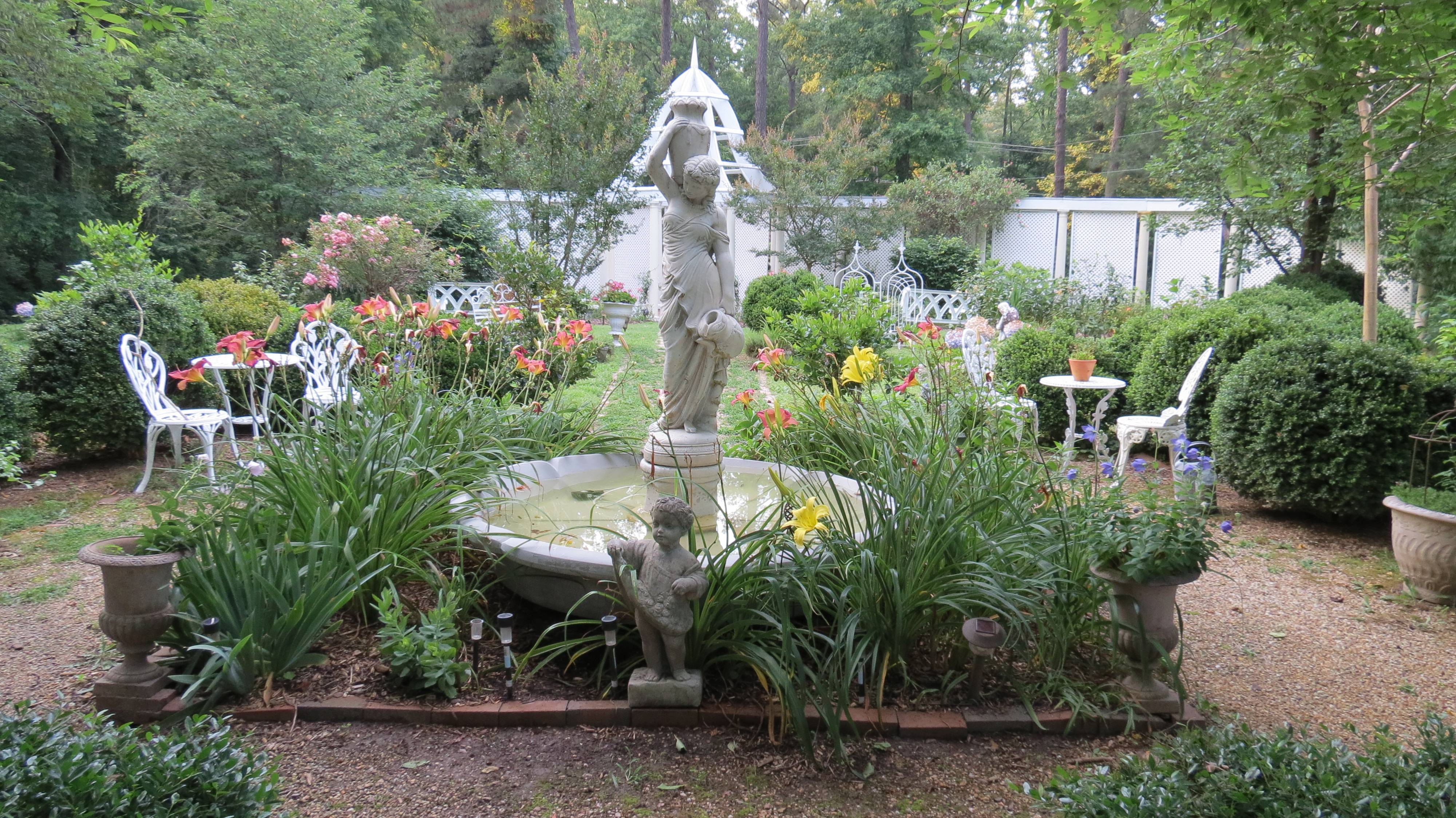
Brought us to the Edgewood Plantation in our search for a bed and breakfast in the area along the James River, which runs through Richmond to the Chesapeake Bay. The Edgewood website richly described the historic house and gardens quoting Country Collections magazine, “Have you ever dreamed of waking up to an antebellum room that would be the envy of Scarlett O’Hara?” A resident ghost, chased by the TV Ghost Hunters, reportedly resides in the upper story. Sounded like a perfect place to stay!

We drove from Petersburg crossing the Benjamin Harrison Memorial Bridge to the John Tyler Memorial Highway (Route 5), a scenic road lined with forests on either side. A bike path parallels the road in several sections. We drove up a circular driveway to the house, an example of Gothic Revival architecture with a fan-style front porch decorated with wicker seating and floral arrangements on the tables.

An orange cat greeted us in the parking lot and led the way to the porch steps where we met the proprietor, Dot, who warmly welcomed us, offering a glass of wine as we walked through the gardens.

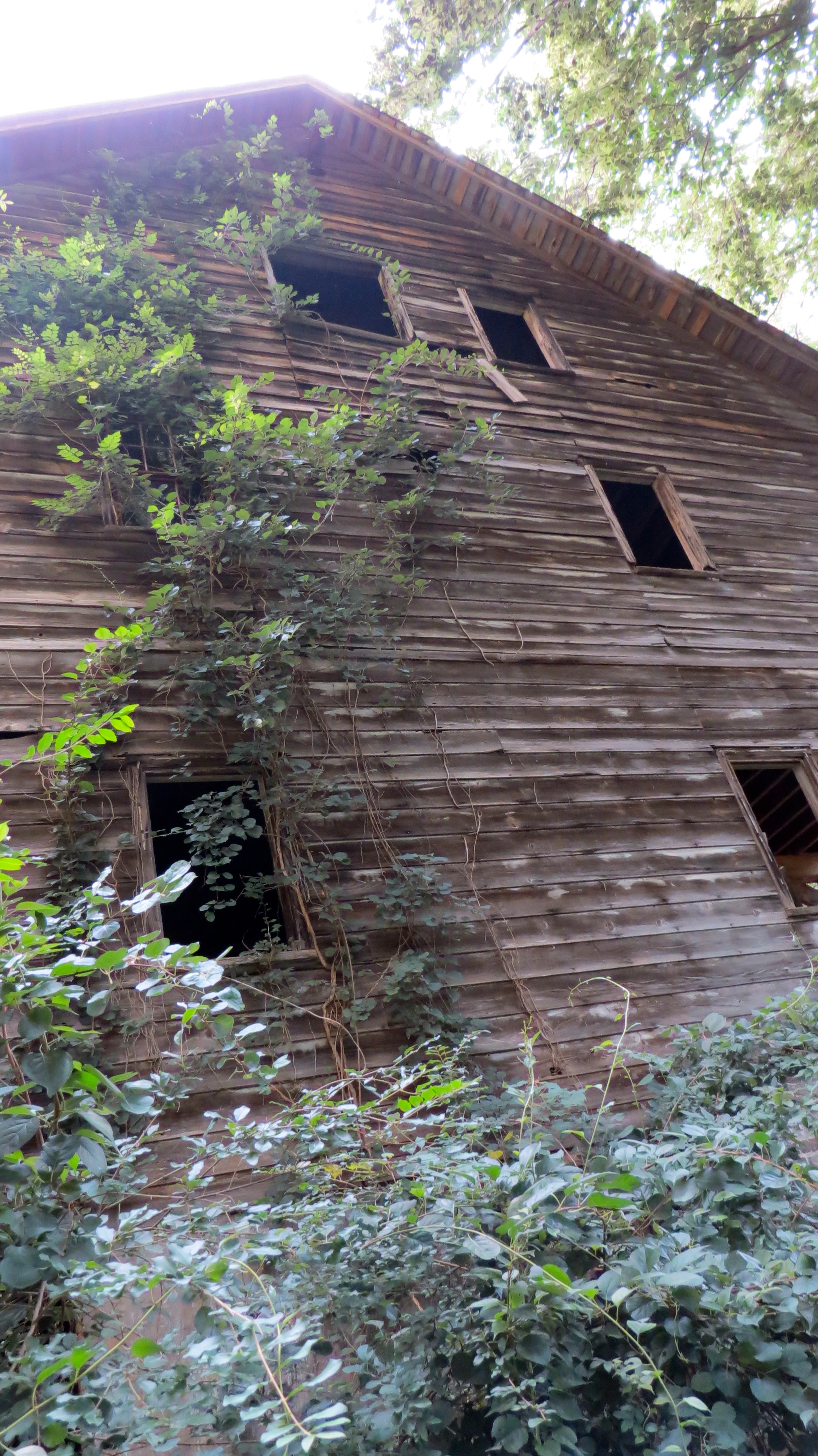
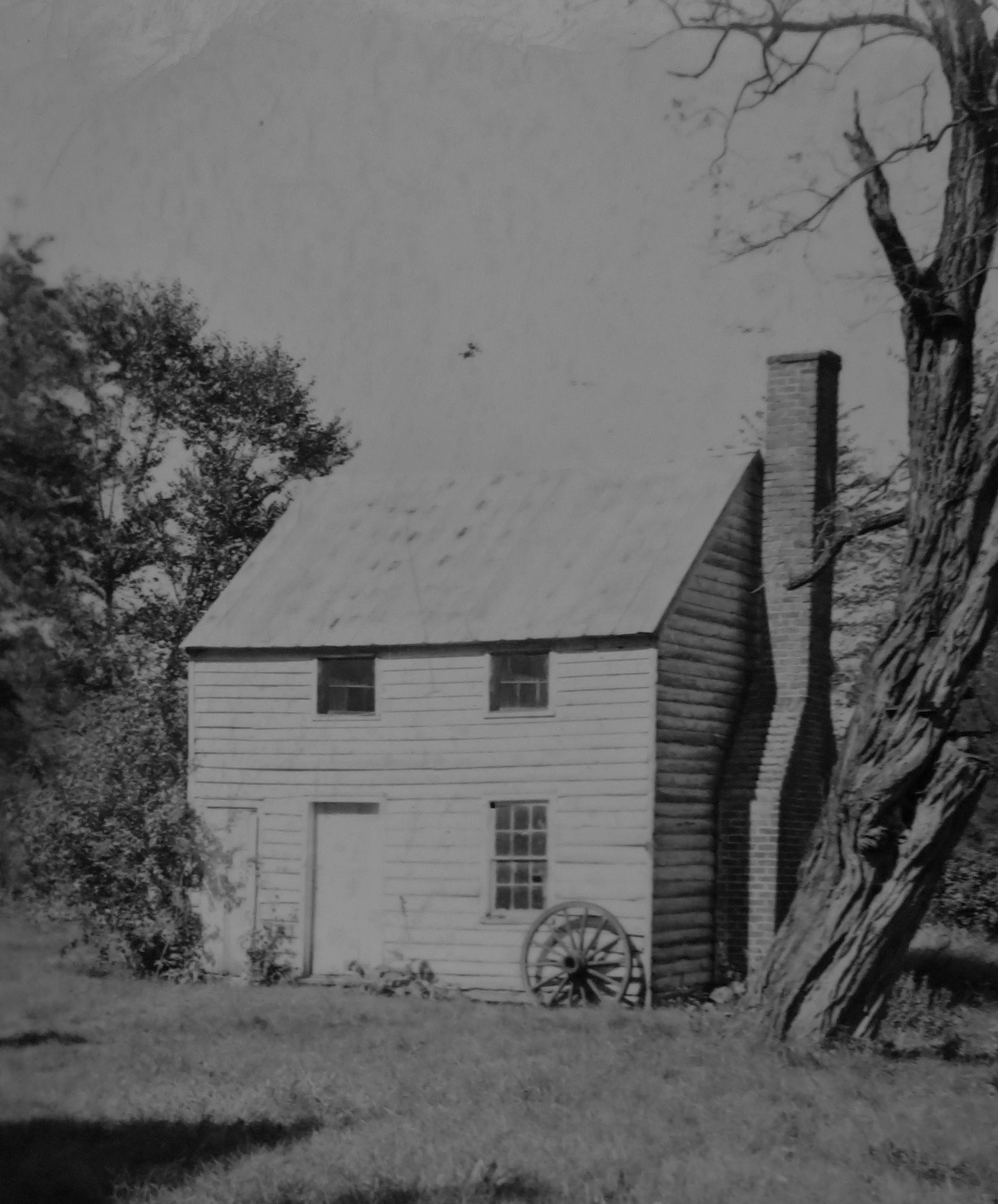
The Edgewood Estate had once been part of the Berkeley Plantation, the home of the ninth President of the United States, William Henry Benjamin Harrison, a signer of the Declaration of Independence. His grandson, Benjamin Harrison, became 23rd President. Harrison built a mill at this site in 1725 so that he could grind wheat and corn rather than having to export the crops elsewhere for processing. Water flowed from a pond down to the mill, creating a waterway, now arched by a white clapboard bridge.

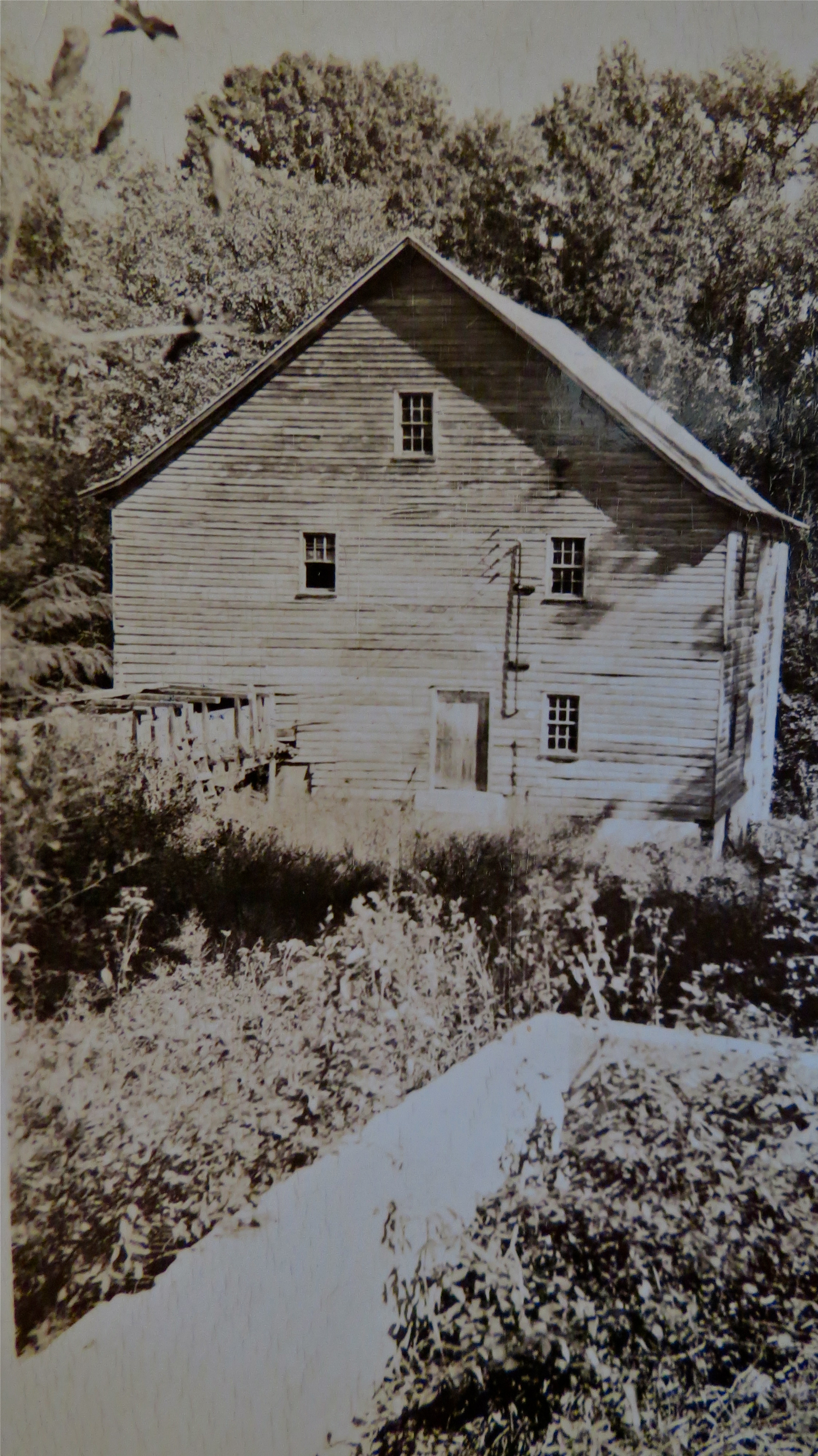
Around 1854, Richard S. Rowland traveled from New Jersey to run the grist mill, moving into the house with his family. Harrison also owned large bake ovens for making sea bread, a food used by the sailors on voyages to England. The mill operated into the 1930s and was known for the excellent meal produced by the burr stones turned by a water wheel.

We explored around the mill peeking through an open door. Inside remnants of the mill remained including chains and hooks still hanging from the cross beams; the famous limestone grinding stones rested on the ground outside.

Older view of the mill; photo courtesy of Dot

A  building that was once the slave quarters sits in back of the main house. Restored and now used as guest rooms, certainly would not resemble what once the slaves called home. According to the definition on Wikipedia, a plantation would have been supported by slave labor. Any romantic recounting of the period that only includes the view of grand mansions with elaborate furnishings and horse-drawn carriages quickly dissipates at the thought that the system of slavery that imprisoned people to a master. A first-hand account here describes the conditions the slaves endured.

Dot shared with me this photograph of the slave quarters.

Antiques of Every Kind

The rooms in the house provided a backdrop for an eclectic collection of antiques and artifacts. Dot restored the kitchen, taking down a plaster wall that hid the original fireplace.

Original Fireplace in the Kitchen

Other rooms in the home in the slide show:

Ties to the Civil War

During the Civil War the Confederate generals camped at the Berkeley Plantation and relied on their soldiers to climb to the third story of Roland’s house, which they used as a lookout post for union troops. On June 15, 1862, Confederate General J.E.B. Stuart stopped at Edgewood for coffee on his way to Richmond to warn General Robert E. Lee of the Union Army’s strength.  Two weeks later 100,000 Union troops spread over the lands along the James River and camped for six weeks. The owners have found shell casings on the property. The mill ground corn for both the Union and Confederate armies.

Rooming with a Ghost?

Lizzie’s Room was our accommodation for the night. Elizabeth Rowland, daughter of the original owner, carved her name on an upstairs window pane. Legend has it that she died of a broken heart when her lover never returned from the Civil War. Some say Lizzie still waits at the window on the third floor.

Ghosts Come to Life as We Breakfast with the President and Mrs. Lincoln

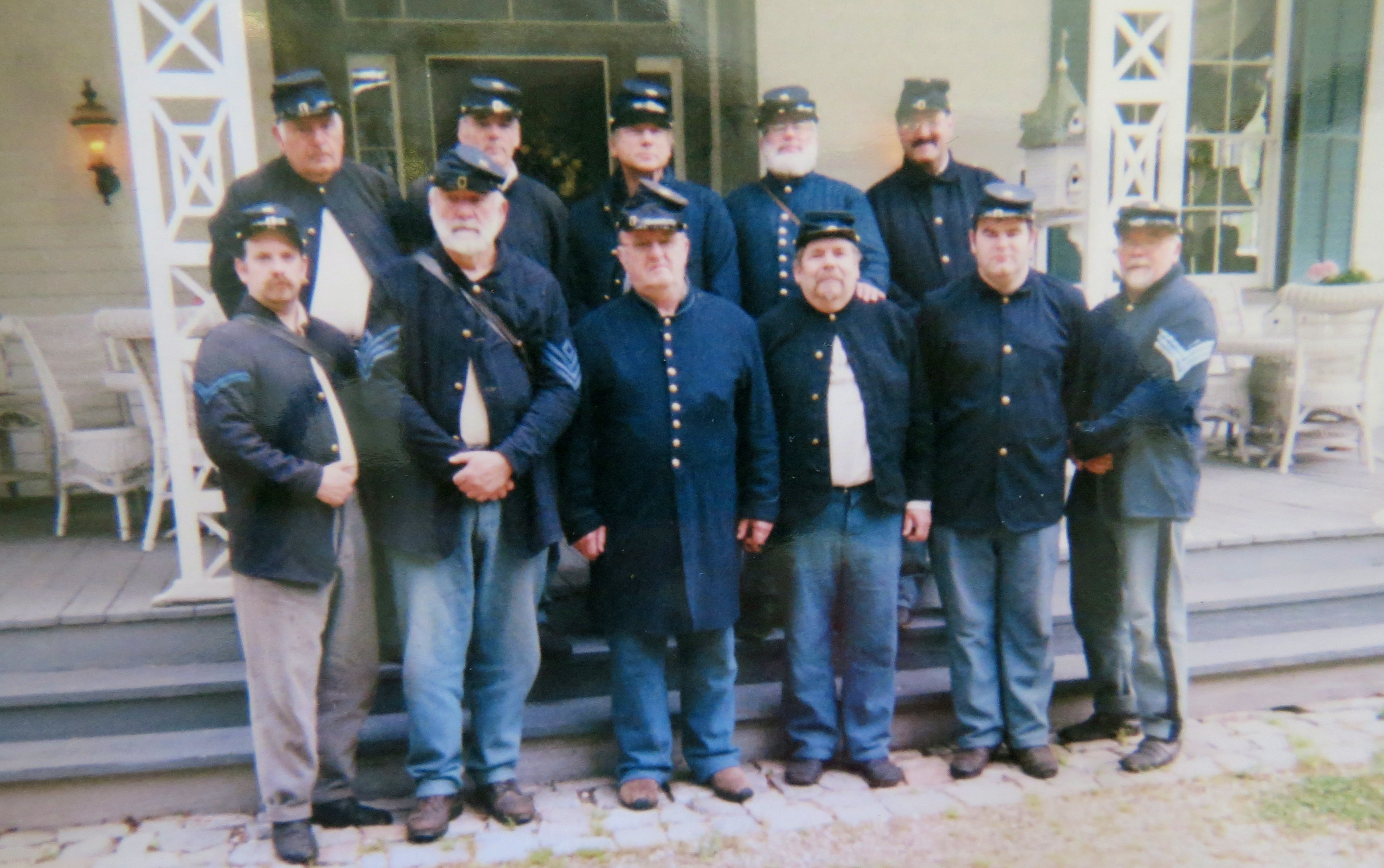
We were fortunate to have breakfast with folks who bring the era of the Civil War to life through reenactments. One of the guests, Gary, portrays a Private 3rd Class in the VT Hemlocks, who are “dedicated to proudly and accurately portraying the common Vermont infantry and artillery soldier during the War of the Rebellion, 1861 – 1865.”

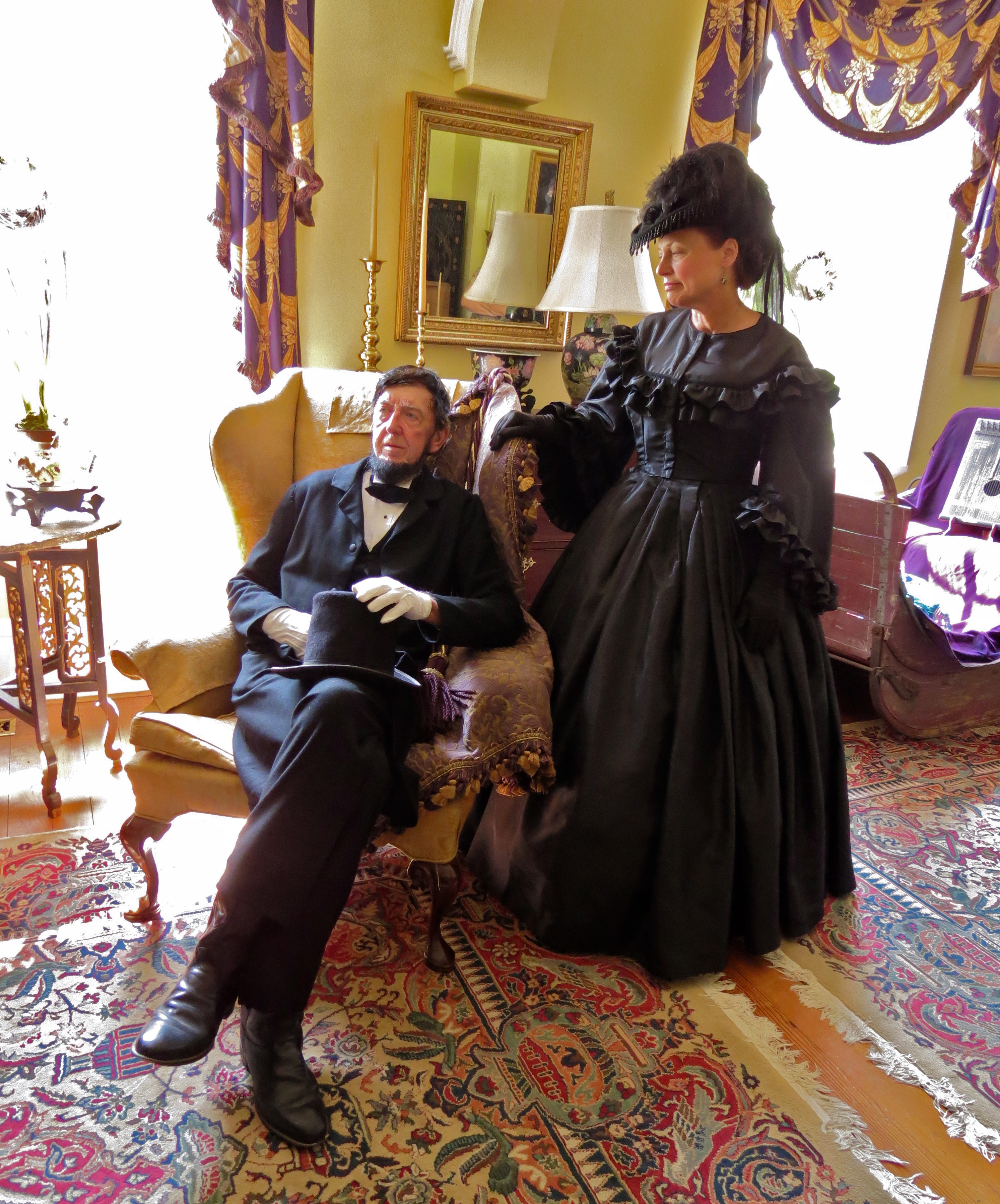
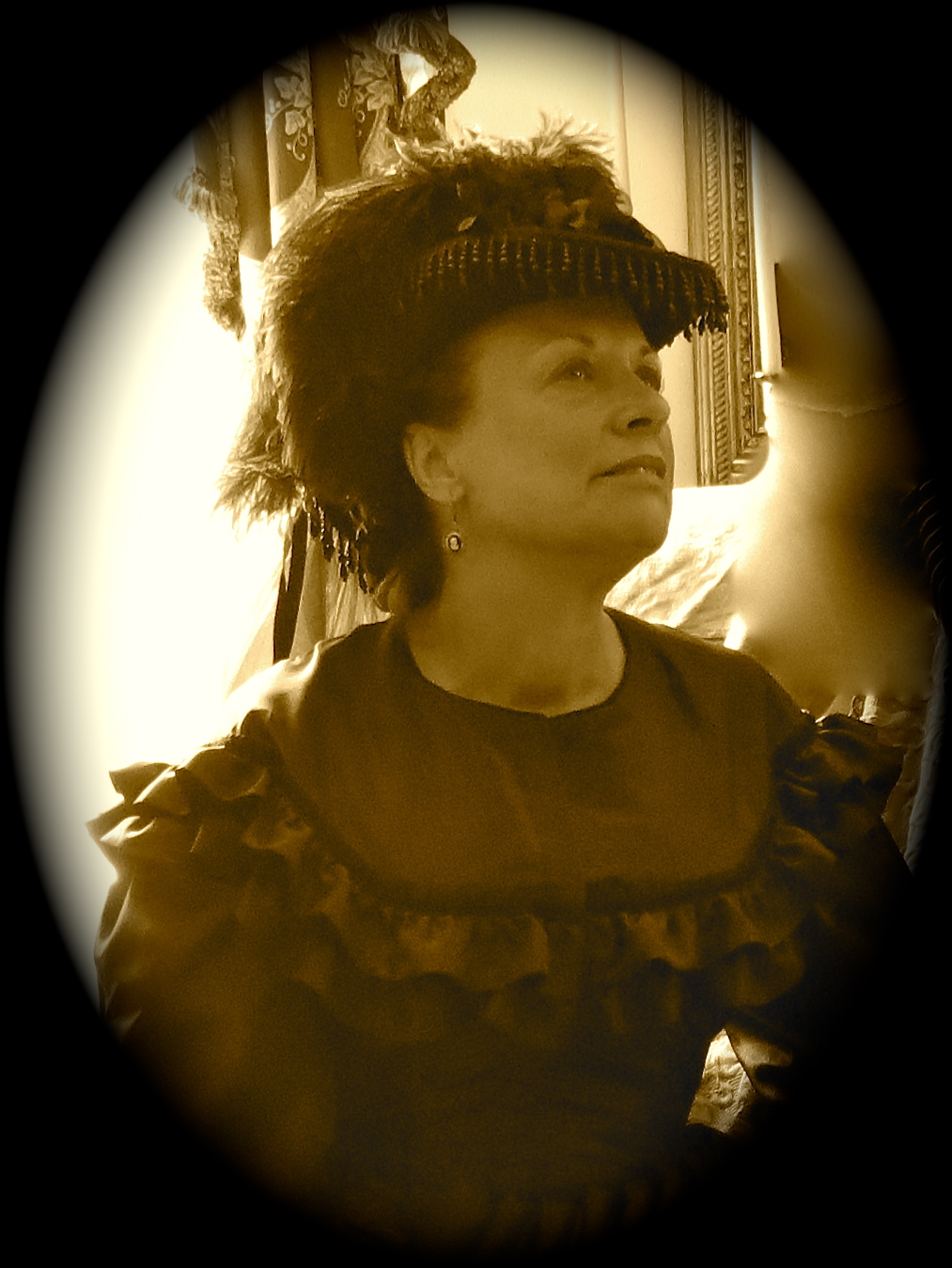
We also had the honor of breakfast with President Lincoln and his wife, Mary Todd Lincoln, a.k.a. Robert and Cheryl. The context of seeing Abe and Mary Lincoln within the Edgewood Plantation house was amazing. As they descended the staircase, we wondered, were we seeing ghosts?

President and Mrs. Lincoln . . .

Mrs. Lincoln with our Host, Dot

An evening spent at Edgewood carried us back to another time. These buildings were haunting in of themselves as they served as witnesses to history. Lizzie carved her name in the window, perhaps imaging that the house would hold her permanent legacy. We look forward to another visit to uncover more historical treasures. And maybe a President will join us for tea.

Links

James River Plantations, US Parks Service

Edgewood Plantation

Civil War Links

Forty Years of Service: Time to Go?

The chairs and table sat on the patio in a state of disrepair for several years until I could no longer ignore that they were falling apart. The seats had deteriorated as water had seeped into the cushions and disintegrated the wood bases.  However, the metal foundations were intact with only a few rust spots. After pricing several similar sets on the Internet, the  decision became obvious: restore. Here’s the breakdown of expenses and effort (other materials on hand):

Plywood for bases: $5.97

Fabric (on sale): $14.95

Spray cans: $11.16

Total: $32.08

Swirls characterized the paisley fabric so decided to emphasize the metal scrollwork on the chairs and tables by painting them white. This step involved more work in masking and repainting by hand and not spray painting the entire set.  Total hours in restoration: 4.5.

Kitty admires new seating

Satisfaction in restoration: priceless.

Plane or Train?

For a journey of 270 miles, which is the best way to travel? I decided not to drive so the other options were plane or train. I checked on the airfares and for nonstop flights–a cost over $1,000! Fares ran about $700 for one stop. I thought time to check with Amtrak fares: a one-way ticket with a discount costs $59.50.

Time is a consideration when planning a trip, and the train would take eight hours compared with one hour on a nonstop flight. Depending on the location of the stopovers, the airplane could take anywhere from four to five hours. Also, I would have to get to the airport an hour before the flight takes off. So now I’m down to just a couple hour difference and a savings of $600!

Blogging on the Train!

It’s been awhile since I’ve traveled by train in the US, and as I sit here typing away, I am really enjoying the trip. I did not know that the train had WiFi so wasted no time sending off a couple emails. The connection is a little slow but certainly not unreasonable for a moving vehicle. A receptacle is built into the wall and right by the tray table. The seat is certainly wide enough and room to keep my backpack at my feet to reach travel accessories. The train moves at a good clip . The views along the way make me think that I’m looking at America’s back yard: junk yards, refineries, abandoned factories, back doors of row homes. Expansive views of  waterways also pass by.

What would seem to be the train’s greatest disadvantage has become its greatest asset. The travel time provides the needed relaxation between two destinations: an opportunity to collect thoughts and enjoy the scenery. I’m thinking I don’t miss traffic congestion and cars jockeying for a place on busy highways.

Journey’s End

I’m almost at my destination. I have to say I’m pleasantly surprised with this trip and can recommend taking the train.

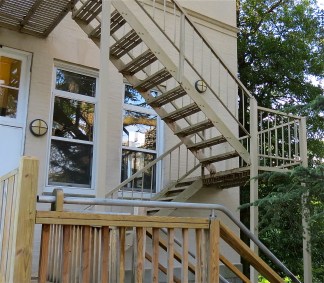
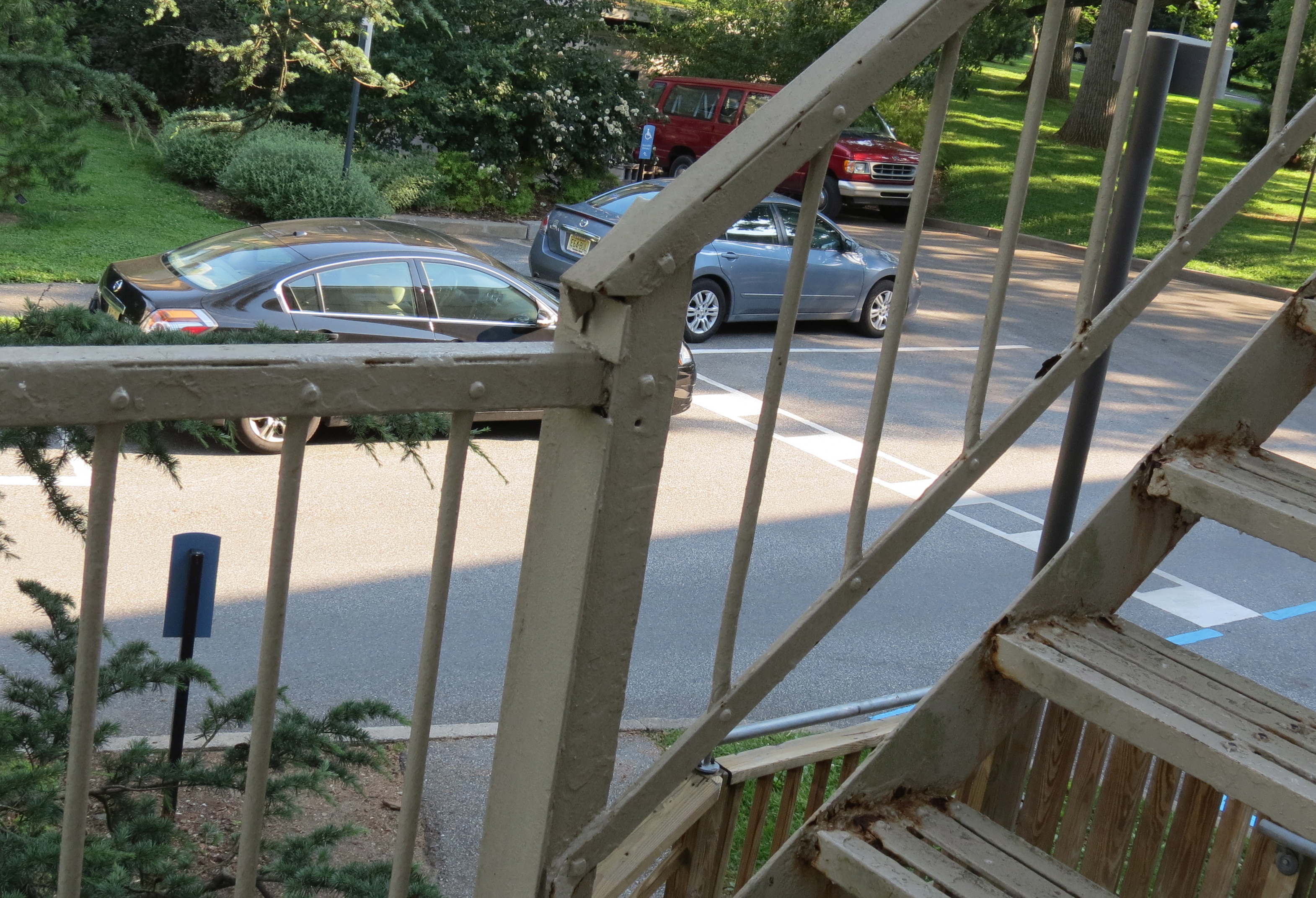
Every morning I hurriedly climb a back staircase to get to the office to begin another day of work. A week ago a small brown bird danced along the hand rail as I came up the steps. The little bird stood her ground. I admired her defiance.

On the second morning, she was back flitting between a nearby tree and the railing. The night before I checked my bird book and identified her as a House Wren, with her turned up tail and warbling tweetie song. I thought she must have a nest somewhere. I looked in the tree and scanned the walls of the building to see if twigs might be sticking out from a light fixture or downspout, but no such signs appeared.

Checking the Internet, I learned that Wrens can build their nests in strange places. A cavity nest builder, their nests turn up in abandoned bee hives, old hats, tin cans or flower pots. I couldn’t see any such cavities in the area.

On the third morning, the Wren appeared again. This time I watched her from the window on the second floor. Surprisingly, the little Houdini just disappeared! I had to get a closer look to discover the magic trick.

I inspected the railing and found a tiny opening between the pieces of metal. Evidently her brood had already hatched judging from the beak full of breakfast she prepared.

Her magic disappearing act worked well as almost no one noticed her on the stairway–until those babies started squawking, drawing attention to themselves. I guess a loud voice trumps discretion for the young ones.

As I rise and fall on the steps, I think about the deliberate actions of the parent Wren on the railing and the little ones tucked in the metal encasement. I wonder at their place on the staircase, intentions as deliberate as mine heading to the office.

Inspiration from the Isle of Skye

In the previous post, I described the Faerie Glen and Faerie Bridge on the Island of Skye, Scotland, the inspiration for creating my own magical garden. In pottery courses at the Community Arts Center I learned some basic techniques in hand building, carving and throwing on the wheel. My instructor, Bob Deane, had a special interest in making houses, castles and dragons, and guided our classes in the various techniques in constructing these pieces.

Bob created a ceramic house for Tyler Arboretum tree house display.

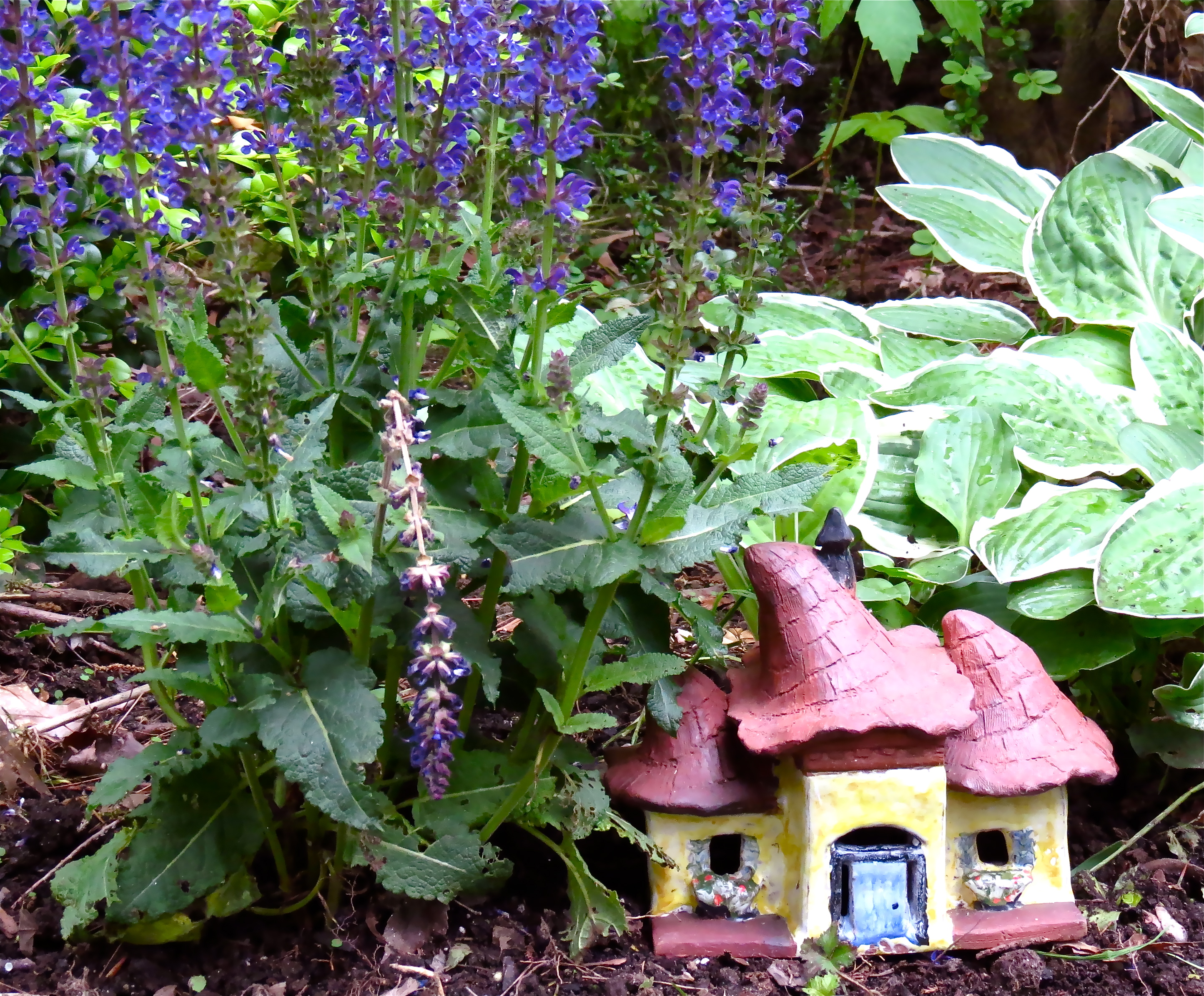
Making little houses completes the first requirement for a faerie garden. I made the first group of houses using white clay processed through an extruder tube. This device quickly produces a perfect cylinder from a clump of clay. I then cut these tubes to various lengths. For some of the roofs I worked with a piece of the cylinder, cut it in half and turned it inside out for a sloping concave shape. I carved different exteriors, such as stone, stucco or wood into the clay using simple tools. Different glazes created the variations in textures and colors.

The extruder tool proved its usefulness again for crafting large cylinders to make a castle. I used carving tools to cut the details for the shingled roof and stone façade. I added a clear glaze on the roof and doors after painting them blue.

A combination of paint and glazes decorated the bridge. A troll, waits patiently next to the creek.

I used a low-fire clay that would take majolica, a glaze which is left to dry on the clay and then painted with special pigments in a water-color technique.

I arranged the houses in the garden with a meandering stone path connecting the pieces together and added a few accessories: wishing well, fountain, bench, just to name a few.

The mysterious and magical Isle of Skye casts a spell and guides the recreation of a whimsical and winsome garden on a distant shore.

The fairies are dancing — how nimbly they bound!
They flit o’er the grass tops, they touch not the ground;
Their kirtles of green are with diamonds bedight,
All glittering and sparkling beneath the moonlight

                                Carolina Eliza Scott ~ The Fairy Dance

Good luck with your gardens! Send me your link if you have created such a place.

Links:

Anne Valley, Walk through the Fairy Door

A Guide to Finding Fairies: 15 Magical Places in Ireland

Does Scotland Really have Fairies?

Scottish Highland Fairies

Tag Cloud