Humble Contributions to the Peoples' History

Archive for the ‘Photography’ Category

Growing Up in Royal Oak, Michigan: 1920-1936

My father, John Kerr Malinoski, painted his childhood growing up in Royal Oak as idyllic and at a time in the history of the United States, when one working class family, with humble roots, enjoyed some basic comforts as compared with the lives of their parents, who were homesteaders on a farm in Upper Michigan and worked in the lumber mills. My father was the first in his family to graduate from college.

Malinoski Family 1923

Family Moves to Royal Oak

After eight years of marriage to my grandfather, George H. Malinoski, my grandmother, Mae Kerr, gave birth to twins on June 23, 1918 at Women’s Hospital in Detroit. My father’s sister did not survive. Accord to his baby book, Dad weighed only 3 pounds 10 ounces. 1918 was not a particularly good year to be born as the flu pandemic was sweeping across the United States and Europe with mortality running between 3 to 6%.

The family moved from Detroit to 412 Rhode Island Avenue. The population of Royal Oak was about 6,000 and growing, mostly because of the auto industry’s need for labor to work on the assembly lines. George, who had worked on his parent’s farm and then in the lumber mills, found employment at the Chrysler Plant and continued to work there until his retirement in the 1950s. My father told me his Dad was never laid off; during the Depression, George still worked part-time.

IMG_0559Mae was a homemaker, spending time quilting and embroidering; some of her work can be viewed on these posts, Appreciating the Needlework of our Grandmothers: Rethinking Four Issues and Part II.

Dad’s Stories

An ice box stood on the back porch, and they would get a regular delivery of ice. They had deliveries from many other tradesmen, including butchers and milkmen. My father told me that the milkman’s horse would know where to stop for each house. In the summer, he and his cousins would sleep on the front porch. The family never locked their doors. When friends would stop in (in those days no one had announce they were coming over ahead of time), they would put on a pot of coffee. In winter, they had to shovel coal into the furnace in the basement.

412 Road Island Royal Oak

412 Rhode Island

Camera

Eastman Kodak Camera 1910

My grandparents passed along six photo albums from this time so taking pictures was very important to them. Most of the photographs were taken with this Eastman Kodak, Pocket C, Premo, dated 1910.

The camera has an adjustable shutter and aperture. Glass frames were inserted into the back of the camera. 

Furniture: High Chair and Wicker Rocker

Two pieces from my father’s childhood, high chair and rocker.

Union Elementary School

My father attended the local elementary school, where his cousin, Phoebe Kerr, was his teacher for one year.

Union School

Union School

Classroom

Dad is sitting in the row on the right, second seat.

Classroom Union School

Classroom Union School c1925

6th Grade Report Card

John Report Card

School Song Book

School Songs

Sunday School Certificate

School Songs 1

Study Materials 

The News Outline

My father saved one example of this publication, which was a weekly current event lesson. Published in 1930 when Dad was in sixth grade, he must have paid the 5 cents to buy the “attractive cover.” Some of the titles in the publication include, Mexico’s New President, Pam-American Highway, Byrd Antarctic Expedition Returns and London Navel Conference.

Analyzing the article about Haiti provides some insight about the lessons children received about history, with a considerable amount of white-washing, no pun intended, of the facts. The opening statement is most telling:

Have you ever heard of a country in which almost all of the people are black, the officers of the government are black, and the army is made up of Negros?

The text raises the question: how did the Negros, who were not natives of America, come to control Haiti? The answer: “Negros were brought over from Africa to work on the great plantations of sugar cane.” From this description, students are given the impression that those wonderful plantations offered employment opportunities. No place in the article do the authors mention how the Africans were enslaved and then rebelled against their cruel oppressors. The article continues: “Their numbers multiplied greatly, but the Indians almost disappeared.” It is as if the Blacks were responsible for the Indian demise, when in actuality, diseases, especially smallpox, decimated their numbers. Columbus’s intent was to take wealth where ever he found it by any means. The Spanish forced the Indians to pay tribute: supplying rulers with “a hawks bell of gold” or 25 pounds of spun cotton every three months, and they would cut off their hands if they did not comply. The Spanish worked the Indians unmercifully as they labored in the fields and mines.

News Outline 1930

News Outline 1930

Book of Knowledge

The Book of Knowledge was a children’s set of Encyclopedias, first published by Grolier Publishing in 1890 and ended in 1963. My father’s set was published in 1926. These books were well illustrated with both black and white photographs and colored plates. The books have strong sections on poetry, literature and paintings.

The page above shows child workers in the tea plantations. After all these years, child labor is still with us today.

The Volume Library

Another book from my Dad’s collection, The Volume Library, was written for educators and published by the Educators Association. The text, which has many black and white illustrations, has some colored plates. The Volume Library covers a variety of subjects, including literature, history, geography, biography math, science, government and fine arts. A page from the text shows a “sample summer diet for children 7 to 12 years.”  If that’s what children ate back then, seems like they benefited from nutritious food, especially with the emphasis on vegetables. Desserts consisted of ginger cookies, baked apple or custard.

Diet 1911

In paging through the book, I found this poem by Jonathan Swift:

So, naturalists observe, a flea
Hath smaller fleas that on him prey;
And these have smaller still to bit ’em;
And so proceed ad infinitum.
Thus every poet, in his kind,
Is bit by him that comes behind.

Greeting Cards

The family gave each greeting cards and must have felt very sentimental about them because they saved over 50. They exchanged cards for Valentine’s Day, Easter, graduation, Christmas, Mother’s Day and anniversaries.

Mother’s Day

Card 1Anniversary

Card 2Christmas

Card 3

Toys

Sleigh, sans Santa

The story goes that my father sent Santa on a parachute ride. Santa did not arrive safely, but the sleigh was passed down, remaining a centerpiece of our family holiday decorations. Because my father became an electronic engineer (story is at this link), it is not surprising that he conducted a few science experiments as a child.

Sleigh Toy

Lionel Model Train

One Christmas, Dad’s parents purchased a model train set for him. Known as Standard Gauge or Wide Gauge, the train ran on a three-rail track about two inches wide. The train was one of the models produced by the Lionel Corporation, a major manufacturer of toy trains. Throughout the 1920s Lionel manufactured several sets of authentic locomotives and train cars with careful attention to detail, including some models with brass and nickel trim.

Lionel Trains 1936

IMG_4296

Buddy Truck

Buddy Truck c1925

Buddy Truck c1925

Buddy “L” toys were produced by the Moline Pressed Steel Company, started in 1910 by Fred A. Lundahl, who designed and produced the all-steel miniature truck Buddy L. The company also manufactured toy cars, fire engines, and construction equipment. When we were children, we used to straddle the truck, riding down our asphalt driveway, so the next generation also enjoyed the toy.

Royal Oak High School

Royal Oak HS c1936

Royal Oak HS c1936

Graduation Announcement

Royal Oak Grad Announcement

 Graduates

Graduation 1936

Senior Year Book 1936

Year Book 1936

Typewriter

Typewriter C 1930

Royal Portable Typewriter C 1930

Music

Always

Throughout his life, Dad sang the melodies popular during his childhood. “Always”, written by Irving Berlin in 1925, was one of his favorites. My mother played the piano, and she and Dad would reminisce and sing “their song.”

Dad loved to sing The Whiffenpoof Song. There’s something very compelling about poor little lambs that have lost their way. Published in 1909, the song became a hit for Rudy Valle in 1927. The Whiffenpoofs are a cappella group from Yale.

Rudyard Kipling wrote the words, published in his poem, “Gentlemen Rankers” in 1892.

Whiffenpoof Song

We’re poor little lambs who’ve lost our way,
Baa! Baa! Baa!
We’re little black sheep who’ve gone astray,
Baa—aa—aa!
Gentlemen-rankers out on the spree,
Damned from here to Eternity,
God ha mercy on such as we,
Baa! Yah! Bah!

Shine on Harvest Moon

“Shine on, Harvest Moon” was one of a series of moon-related Tin Pan Alley songs from the 1900s. The song became a standard in popular music throughout the 20th century.

“I”ve Been Working on the Railroad,”  “Inka Dinka Doo,”  “Git along Little Dogies,” “Tumbling Tumbleweeds,” and “Cool  Water” were other favorites.

John’s First Automobile
Auto C 1936

Dad proudly displays his first car, which he used to commute to Lawrence Institute of Technology, in Southfield, Michigan, about a ten-minute drive from his home. Before Dad had the car, he would hitchhike every day to college and never once had a bad experience. He graduated with honors in 1941 with a degree in electrical engineering. He moved to Philadelphia to work for the Philco Corporation; during the war, was part of a team developing radar systems. His mother passed away in 1936, and several years later his Dad remarried and retired to Florida.

So ends this story of one family from Royal Oak, their history preserved in the few items they saved and passed down, their photo albums and the stories they told, leaving a legacy to their grandchildren. As my father described his life back in the 1920s, their lives were generally happy, that they some freedom from economic toil, had time for camping and gathering with friends in a town that offered a sweet place to grow up.

Downtown late 30s, early 40s looking north on Washington from 5th or 6th. Identification: Muriel Versagi, Curator, Royal Oak Historical Society

Downtown late 30s, early 40s looking north on Washington from 5th or 6th. Identification: Muriel Versagi, Curator, Royal Oak Historical Society

Link

Royal Oak Historical Society


Civil War Reunion: Pennypacker Mills, Pennsylvania, May 2014


The farmland, forests and fields of the Pennypacker Mills County Park provided the setting for the Civil War Reunion. The park lies 15 miles north of Valley Forge National Park and just across the Perkiomen Creek from the town of Schwenksville. “Perkiomen” is a word from the Lenape, a tribe of Native Americans who settled in the area, that means “muddy waters” and “where the cranberries grow.” As I walked down to the creek, tall grasses waved in the gentle breeze casting an incense over the landscape. Purple, white and yellow wildflowers peeked out from under the canopy of grasses. I stood on the bank of the creek as the melody, “Wade in the Water,” a song associated with the Underground Railroad, played in my mind.

The Perkiomen Creek and Underground Railroad share a connection. In a famous case, a slave named Rachel had to flee from West Chester when her owner, who lived in Maryland, showed up in town with a warrant for her arrest. Fleeing from her pursuers, Rachel jumped a seven feet high fence, escaping once again. After hiding in an attic, her friends smuggled her out of town to Phoenixville, crossing the Schuylkill River and then the Perkiomen Creek at Tyson’s Mill in the middle of the night. (The Underground Railroad in our Area)

The centerpiece of the park is a colonial revival mansion built around 1720 and owned by the Pennypacker family for eight generations. Pennsylvania governor Samuel Pennypacker, who served the state between 1903 to 1907, lived in the house and collected many of the antiques that are displayed throughout the rooms of the mansion.

Mansion at PPM

Having filmed two other Civil War reenactments, skirmishes on the Wilmington Railroad and at Rising Sun, Maryland, I looked forward to a new adventure on the rolling hills of Montgomery County. Although no Civil War battles were fought here, in 1863 Samuel Pennypacker enlisted in the 26th Pennsylvania Volunteer Militia and confronted Confederate forces at a skirmish north of Gettysburg at Witmer Farm.

American Civil War: History and Recreation

Other than a few history classes in college, I hadn’t studied much about the Civil War. In order to learn more, I’ve watched the recent PBS series, Civil War: The Untold Story, the central theme, which some view as controversial, establishing that the Civil War was fought over slavery and not the issue of states’ rights. Producer-director Chris Wheeler stated that the film brought hate mail from groups on the radical right. The film also included the relatively unknown history of the contributions of African-Americans to the conflict. I admired the filming of the battle scenes. What Wheeler and I have in common is that we both photographed reenactors, who are dedicated to accurate portrayals of the Civil War.

General John F. Hartranft

General John F. Hartranft

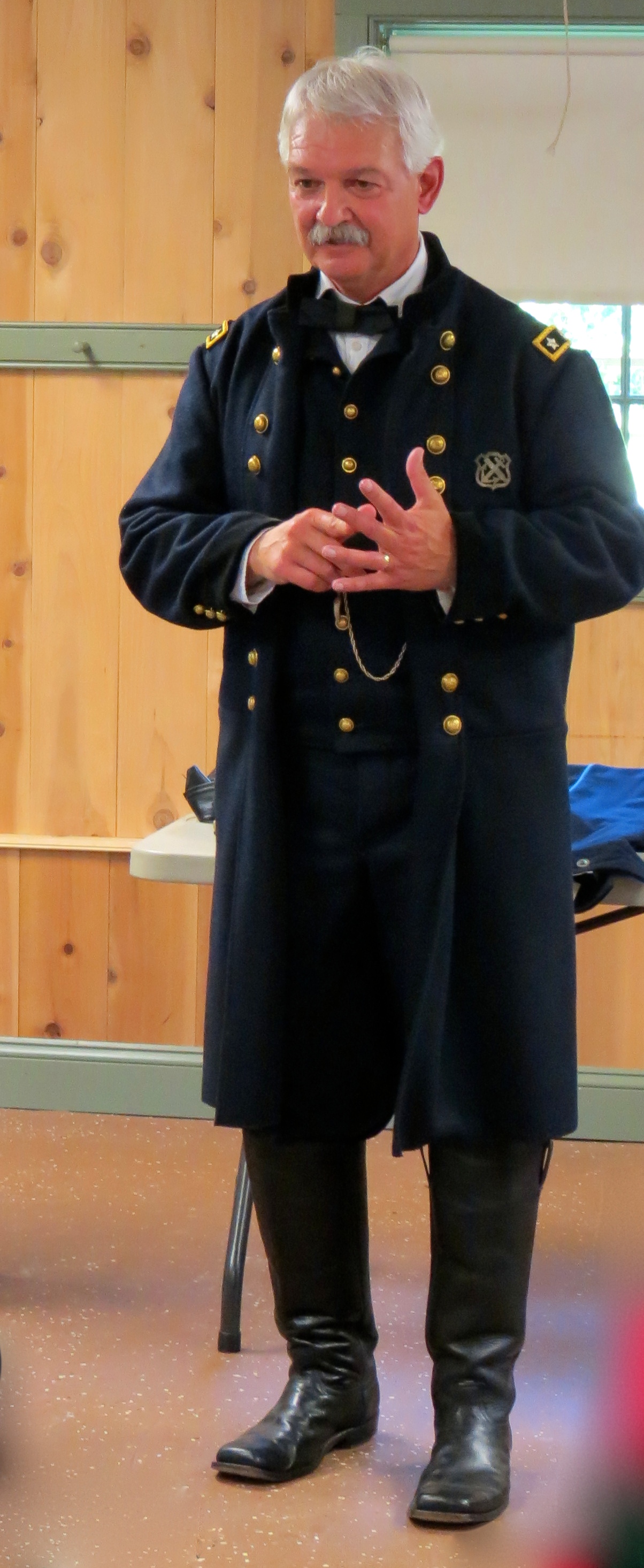
General John F. Hartranft (a.k.a, Mark D. Grim, Jr.), a native of Montgomery County who fought in both the Eastern and Western battles, presented a lecture on his experiences during the war and as provost-marshal during the trial of those accused of assassinating Abraham Lincoln. The General stated that when Lincoln announced the Emancipation Proclamation, Union soldiers became confused as to the reason they were fighting. They understood the cause as preservation of the union and not for the freedom of the slaves. General Hartranft reaffirmed to the soldiers that preserving the union was the purpose of their sacrifice. As strongly as I believe that the preservation of the union was important, seems like freeing an oppressed population would be a more compelling reason to take up arms.

The event planners filled the weekend with activities and demonstrations including musical performances, battle reenactments, children’s events, speakers and sutlers displaying their wares. I took advantage of an early start on the day and attended every event on their schedule.

Mansion Tours

Visitors could walk through the house, where guides in each area presented a history of the rooms. The house was not electrified until after the Pennypackers left, but in 1900 much of the building was updated and renovated. Many of the original furnishings, books and paintings remained with house and in remarkable condition.

Included in the slide show below, is a portrait of Governor Pennypacker, whose veto in 1906 blocked what would have been the first compulsory sterilization law in the United States. Pennypacker stated:

“It is plain that the safest and most effective method of preventing procreation would be to cut the heads off the inmates, and such authority is given by the bill to this staff of scientific experts…Scientists like all men whose experiences have been limited to one pursuit…sometimes need to be restrained. Men of high scientific attainments are prone…to lose sight of broad principles outside of their domain…To permit such an operation would be to inflict cruelty upon a helpless class…which the state has undertaken to protect…” Wikipedia

This slideshow requires JavaScript.

Songs & Stories of the Civil War

Dressed in a Confederate soldier’s uniform, Matthew Dodd played banjo and guitar, singing songs of the Civil War era, as well as telling stories. He plays “Dixie” in the video at the end of this post.

Matthew Dodd

Civilian Street Demonstrations and Families

Union Patriotic League, an organization that represents domestic life during the Civil War era, often accompanies the reenactors, displaying their specialized interests, whether basket weaving, cooking or sewing. They created charming vignettes inside their tents, with rugs, quilts, flowers and lamps.  In the real Civil War encampments, women and children rarely accompanied the soldiers, so these tents are representative of domestic life at that time and not actually recreating camp life. Photographs that follow are from the both the Union Patriotic League and Civil War reenactor camp sites.

This slideshow requires JavaScript.

 Confederate Artillery Demonstration

John Houch presented a history lesson to the gathered crowd, who came to watch the firing of the cannons. John mentioned that in the filming of Gettysburg, the director borrowed 50 cannons from reenactors. In addition to the seasoned adults, children and teens also took part in the demonstration. The Confederates represented the 37th Regiment, North Carolina Troops, Company A.

This slideshow requires JavaScript.

Becks Philadelphia Brass Band

Becks Brass Band

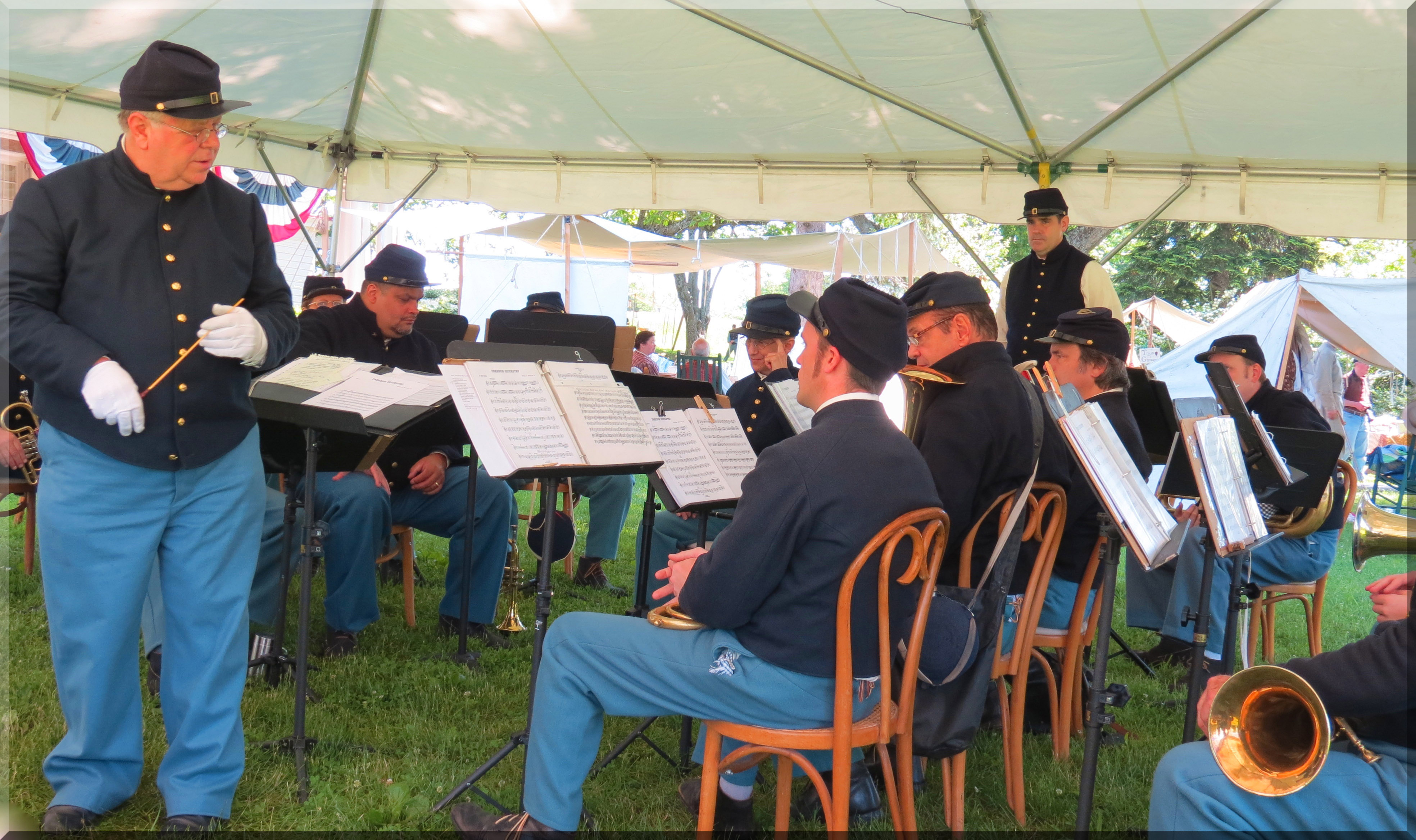
The Becks Philadelphia Brigade Band, a Civil War/Victorian-era brass band, performed military and social music of the Civil War period through the late 1800s. Authentically uniformed, the band played both reproduction and period instruments including a piccolo, Eb cornet, Bb cornet, Eb alto horn, tenor horn, baritone horn, bass and percussion. Today’s band serves as representatives of the brass band of the 2nd Division, 2nd Corps, 2nd Brigade of the Union Army of the Potomac in 1863.

Battlefield Enactment

Like the little girl whirling in circles, controversies swirl around the authenticity and ethical debates on battle enactments. For someone who would melt down every bullet and bomb ever produced, I have had to ask myself what is the attraction to watching battles, which in reality brought untold suffering and grief? Can someone so committed to peace derive an uplifting message from living history enactments?

My argument is in support of the reenactors. They have been extraordinarily kind in sharing information they have learned and generous with their time in making an honest effort at historical representation. Reenactors have every right to role play, as any movie director or documentarian has to present their view. These are regular folks who are portraying regular folks. Just like critics analyze films and television, visitors and observers may also critique these enactments. Just being present, reenactors encourage discussion, debate and further research. Historical reenacting, as well as for those of us making videos, carries the responsibility to authenticity and an understanding of the implications how the history of the Civil War might be presented.

Links

Friends of Pennypacker Mills Museum Facebook Page

Pennypacker Mills: Montgomery County, PA

Biking Along Kelly Drive, Philadelphia

Fairmount Water Works and Boat House Row

IMG_6457

On a glorious afternoon in May, my sister and I hopped on the train into center city for a visit the Philadelphia Museum of Art. We had no specific plans, but the beautiful day beckoned us to stay outdoors. We walked the perimeter of the museum, pausing along the pathways to view the city and scenes along the river. The famous boathouse row, housing social and rowing clubs, has stood on this site for over a century. Each building has its own unique character, with different architectural styles and colors.

IMG_6459

We strolled down to the buildings that make up the Fairmount Water Works. Just weeks before, the Schuylkill River flooded the area leaving the buildings and furnishings waterlogged. Officials had the spaces cleaned, but more work had to be done before visitors could come through again. Philadelphia built the Fairmount Water Works between 1812 and 1872, and finally ceased operation in 1909. The Classical Revival exterior, which hides the industrial inter-workings, has made this site a tourist attraction, added to the National Register of Historic Places in 1976.

Schuylkill River Trail

As we walked along the river, we came across Wheel Fun Rentals, which had a good choice of bikes, including cruisers, city and road bikes. Being the perfect day for a bike ride, we picked up a map and headed north on the River Trail that runs parallel to the Schuylkill River. The entire trail, about 10 miles in length, follows Kelly drive for about four miles. Kelly Drive was named for John B. Kelly, Jr., a triple Olympic Gold Medal winner in rowing; he was the father of Grace Kelly.  The bike path then loops with the MLK Drive bike path, crossing over the Falls Bridge. Bikers can also ride all the way to the Manayunk tow path and to Valley Forge.

IMG_6463

Biking along the river was exhilarating as every scene that unfolded in front of us presented a view that I had not appreciated when driving past the river. We stopped and admired the gardens and statues. Just beyond the West Girard Bridge, a brown stone railroad bridge stretched across the river, its arches framing the distant landscape.

IMG_6465

A bit of irony about the statue of John Kelly resting on a bed of bricks in the photograph above: in 1920 Kelly applied to race in the prestigious Diamond Sculls at the Henley Royal Regatta but authorities rejected his application because he was a bricklayer by trade, and the regulations at that time deemed that anyone who had been employed as laborer, artisan or mechanic could not be considered “amateur.”

The trail was well-maintained and flat, but we had to be careful negotiating around others on the path, which was busy with strolling families, runners and other bikers. The river supported traffic from the rowers and a few motor boats. Maps located the many sculptures in Fairmount Park. We stopped often along the way to take pictures or reflect on the view.

We hope to return to the trail to bike the entire loop and perhaps kayak to Bartram Gardens.

IMG_6464

Weekly Writing Challenge: Time Machine

Travel has sharpened my awareness of the passage of time, whether observing the erosive forces on the Grand Canyon or the sea carving inlets on the coast of Ireland.

Recording family history has also expanded my perceptions of time: how families have lived out their days in cycles of births, marriages, and passings. Sometimes I cannot tell whether I am in their time or my own as these dimensions seem to meld together.

Whether we wake or we sleep,
Whether we carol or weep,
The Sun with his Planets in chime,
Marketh the going of Time.
~Edward Fitzgerald

Music by Enya

Weekly Writing Challenge: Time Machine

1950s Retrospective on Children’s Fashions: Petticoats and Mary Janes

To Write or Not to Write about Fashion?

Two years ago I started writing this post but then stopped, thinking that perhaps no one would be interested in reading about children’s clothes sixty years ago. So I just left this post sitting in the draft box. It wasn’t until I started to read Flora Thompson’s memoir of her life during the 1880s in a small hamlet in Oxfordshire that I began to think again about vintage clothing. In my previous post, I described Lark Rise to Candleford, which the BBC broadcast as a series. An excerpt from Flora’s book tells us about what children wore back then:

. . . but it was difficult to keep decently covered, and that was a pity because they did dearly love what they called ‘anything a bit dressy’. This taste was not encouraged by the garments made by the girls in school from material given by the Rectory people—roomy chemises and wide-legged drawers made of unbleached calico, beautifully sewn, but without an inch of trimming; harsh, but strong flannel petticoats and worsted stockings that would almost stand up with no legs in them—although these were gratefully received and had their merits, for they wore for years and the calico improved with washing. Chapter 1

Inspired by Flora’s descriptions, I returned to compiling pictures and content for this post.

Fashionably Dressed, Yet Unaware 

By looking at the way children dressed, we can discover a few clues about life in the 1950s. When I was a little girl, growing up in a working-class suburb of Philadelphia, I remember my mother dressing my sister and me in matching outfits. I couldn’t find any history about this custom, but I remembered that in the movie, The Sound of Music, Maria dressed the children in matching play clothes. Dressing children alike may be a way of cementing family kinship. My mother fostered a close relationship between my sister and me, and dressing us alike may have been part of that plan. I never minded dressing the same as my sister, but I didn’t know there was an option.

Mom selected all of our clothes, and we wore whatever she purchased for us. With play clothes, we had some degree of flexibility in picking out what we wore for the day, but for school or dress up, Mom was fully in charge. I don’t remember rebelling against her choices because clothes were not that important to me.

In our school and neighborhood, the children were clean and neatly dressed. Because we came from a fairly homogenous community, there seemed to be little emphasis on clothing as fashion statements. No one dressed better than anyone else, as I recall, and we didn’t talk about clothes. I can remember only one exception. In third grade, a girl joined our classroom in the middle of the year, and I noticed she looked disheveled. At first, I thought perhaps that just moving in created a lapse in hair and clothing care, but her appearance never improved. That one example stood out because uniformity in neatness prevailed.

This slideshow requires JavaScript.

Three Basic Outfits. We wore three basic outfits, always starting with white cotton underwear, including an undershirt, with short sleeves for winter and sleeveless for summer.

Play Clothes: A Hodge-Podge but Sometimes Matching. Pants, peddle pushers (pants that ended between the knee and the ankle so material would not get caught in bicycle parts), shorts, shirt or blouse, light canvas sneakers, and socks. In the summer, we would wear rompers, tied with a bow at each shoulder, or one-piece zippered shorts and shirt set. A “skort,” a very short pleated skirt with attached matching bloomers underneath was another option when the weather was warm. This was the age before the t-shirt, which we never wore. In winter, corduroy pants lined in flannel would keep us warm while sledding. As older children, we transitioned from long coats to the more practical “car coat”, which came to just below the waist, square-cut in shape, and usually with an attached hood.

This slideshow requires JavaScript.

School Clothes: Keeping Order with Flouncy Attire. Dress or skirt, slip, socks, and sturdy shoes (white and black saddlebacks) or shoes with straps or laces or Mary Janes, which was a slip-on dress shoe made of black patent leather, usually with a strap that buckled on the side. Girls’ clothes mimicked women’s fashion trends at the time: a full-circle skirt and a cinched waist. Full skirts were always worn with a petticoat or slip. Hemlines remained above the knee, at varying lengths.

Almost every public school in the U.S. required that girls wear dresses or skirts. I didn’t like wearing dresses because keeping modest while on the playground was a continual nuisance. Every girl knew the one rule of wearing a dress: keep it down. Also, there was a rule that your petticoat should not hang below the dress, requiring some effort yanking on straps to make the necessary adjustments. Sometimes I would slip slacks on under my dress, which was strictly against school rules and almost immediately the teacher would ask me to remove them. Girls could change into shorts or pants for gym class.

First day of school

School Girls J and K

Pastels and Plaid

Dress Clothes: Petticoats and Mary Janes. Church, visiting, or special occasions meant a complete outfit including a fancy dress, petticoat, Mary Janes, socks, coat, hat, and sometimes purse and gloves. Crinoline petticoats made the dresses flair out. In the winter, wool coats and matching leggings, usually with side zippers, would keep us warm. Coat collars were sometimes trimmed in velvet. Sunday School always required a fancy dress. Our family was not religious, but my parents must have felt that we should be exposed to some religious training and also dress the part. Easter brought out the best finery, including an Easter bonnet, trimmed with ribbons and silk flowers. When we were older, we wore suits for Easter.

This slideshow requires JavaScript.

Hair Styles

Mom fixed our hair every morning, usually in a ponytail or left down, supported by four colored barrettes. Most nights, Mom would roll our hair in soft curlers before we went to bed. She didn’t like hair too much longer than shoulder length. For some reason, I hated having my hair cut, which resulted in a confrontation with Mom. I still have that vision of Mom coming toward me with the scissors, and no amount of tears would prevent the inevitable chopping off of a couple of inches. I always wanted long braids, but Mom disliked braids.

Girls had all ranges of haircuts from short bobs to long hair down the back. However, we didn’t seem to care about each other’s style. In the early ’60s, we stepped into another time when hairstyles became more important.  My sister went for her first hairdresser appointment when she was in 5th grade and had her hair cut in the famous “page-boy fluff”.

Parenting Styles Have Changed

When I became a parent, I read many texts on parenting techniques, and most of the advice suggested allowing children to select their own clothes, both to purchase and to wear. That was surprising to me given that my own childhood experiences put Mom in charge. I would agree that it is probably best to allow children to make their own choices. Perhaps, however, allowing those choices might direct the child’s concern about outward appearance, which may not be the place that we want children to focus most of their attention.  

Daily Post: New Sensation

Mea Culpa: Breaking the Rules at the Art Museum

Once I thought about what I had inadvertently done, I stewed for days trying to decide whether I should write this particular blog post, admitting my mistake. I’m somewhat of a perfectionist. Something internal drives the compulsion that I should never make a mistake, including following rules that benefit us all. I know, that’s sounds a bit obsessive, but telling of the level of my concern.

Back Story

One of my favorite artistic devices is the tromp-l’oeil, which is a French word meaning fooling of the eye. My introduction to this device came when I was a child and visited the Philadelphia Museum of Art and gazed upon The Staircase Group by Charles Wilson Peale. As kids we always referred to it as the “painting with the step” and immediately knew the reference. Wooden colonial molding frames the painting; and an oak step, matching the color and textures of the painted steps, protrudes from the staircase at the bottom.

The painting must have made an impression as I’ve used trompe-l’oeil technique myself in some of my artwork.

Seed packets

Seed packets on a garden bench

Window Treatment

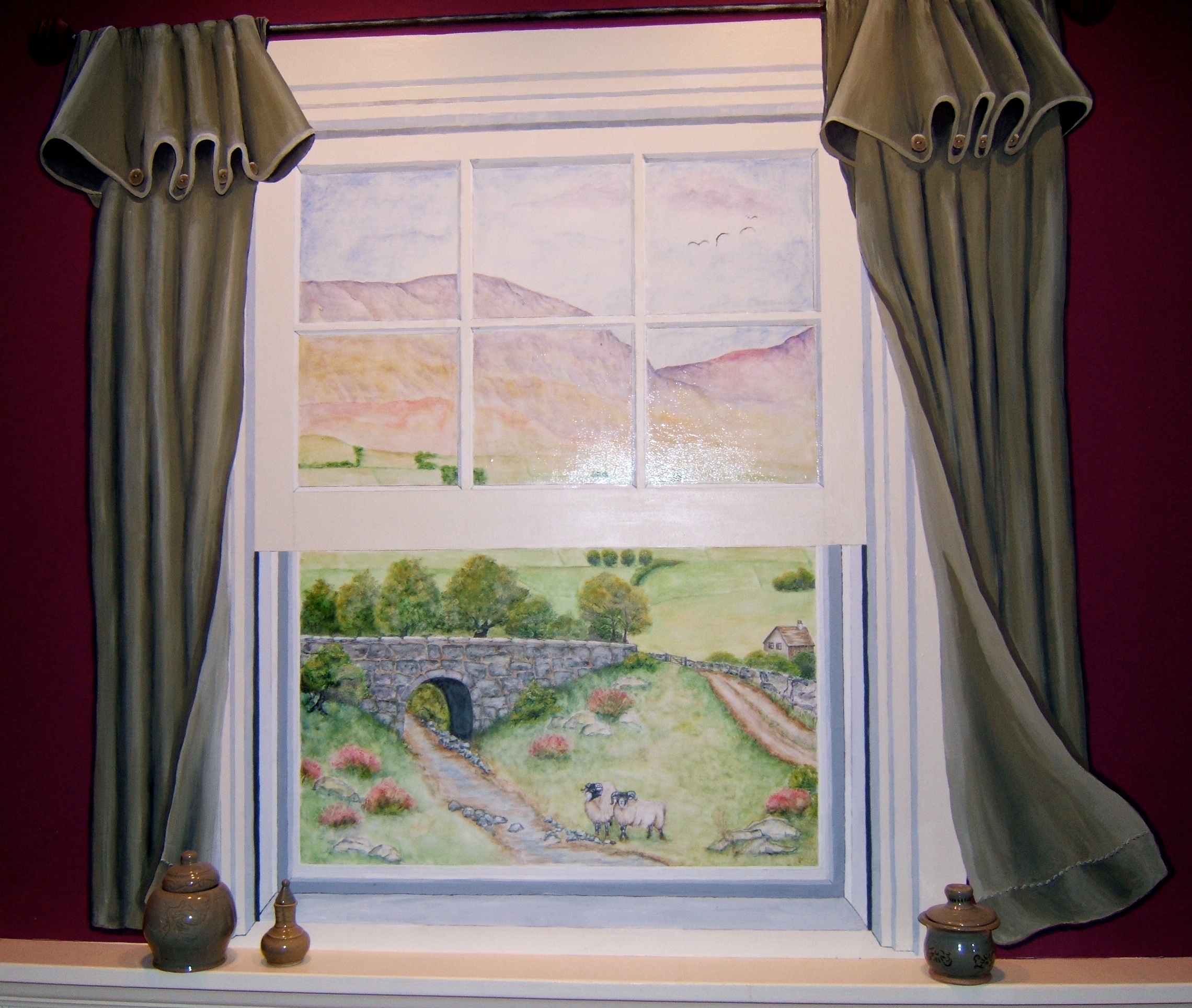
Adding a window without construction

You may have seen this device used by artists, such as Julian Beever, whose anamorphic illusions are created by a distortion that enhances a three-dimensional effect. When I read over his web page, he wrote that he worked as a street busker in various busy thoroughfares throughout Europe, practicing his 2-D techniques using pastels on sidewalks. When visiting Venice in 2008, I took this photograph. Now I wonder if this art was his.

Venice Painting

In another example, Eric Johnson, a Swedish photographer, installed a 3-D photograph in one of the main squares in Stockholm with his Mind the Step creation, which is a perfect lead-in to my misstep at the museum. On New Year’s Day I returned to the art museum, accompanying the Philadelphia Chorus, to take photographs and videos of their holiday concert. Between concerts, my son and I wandered through the galleries and came across the Staircase Group painting. Without thinking, I asked John to place his foot on the step with the idea that I would carry the illusion further in a photograph. Earlier I had asked a guard if the museum allowed non-flash photography, which is permitted.

Staircase Group2j

Reflection brings Anxiety and some Relief

When I returned home and began researching the painting, I then realized we had touched the piece, breaking the rule about refraining from touching artwork! I was horrified. What if everyone put their foot on the step? It would be ruined in no time at all. I sat in front of the computer, reading more about the painting. Had the illusion distracted me from the fact the step was actually part of the painting? According to several accounts of when the painting was first displayed, George Washington supposed tipped his hat to the boys on the staircase thinking they were really there. I read in Marcel Duchamp in Perspective by Joseph Masheck,

The main feature of Charles Wilson Peale’s Staircase Group . . . is the extreme, quasi-Dadaistic, illusionism by which the imaginative space of the picture invades the real space of the gallery: a real wooden step (now reconstructed, but originally planned) extends out from the bottom of the canvas . . . (p. 7)

Ah, was I saved by the fact that the step was reconstructed? Given that the museum places ribbons across chairs to remind visitor not to sit in the displays, I asked myself why they didn’t place a reminder note at the the step. In the book, Citizen Spectator: Art, Illusion, and Visual Perception in Early National  America, Wendy Bellion quotes a catalogue published in 1854 that recounted how viewers of the Staircase Group would place a foot on the first step. (p. 92). Well, that somewhat relieved my conscience that the urge to step was just about irresistible.

One of the web pages of the Philadelphia Museum of Art states, “let your creativity soar” but from now on, I will watch my step.

Walking the Benjamin Franklin Bridge: Uncovering a Bit of History

What is it that makes it so hard sometimes to determine whither we will walk? Thoreau

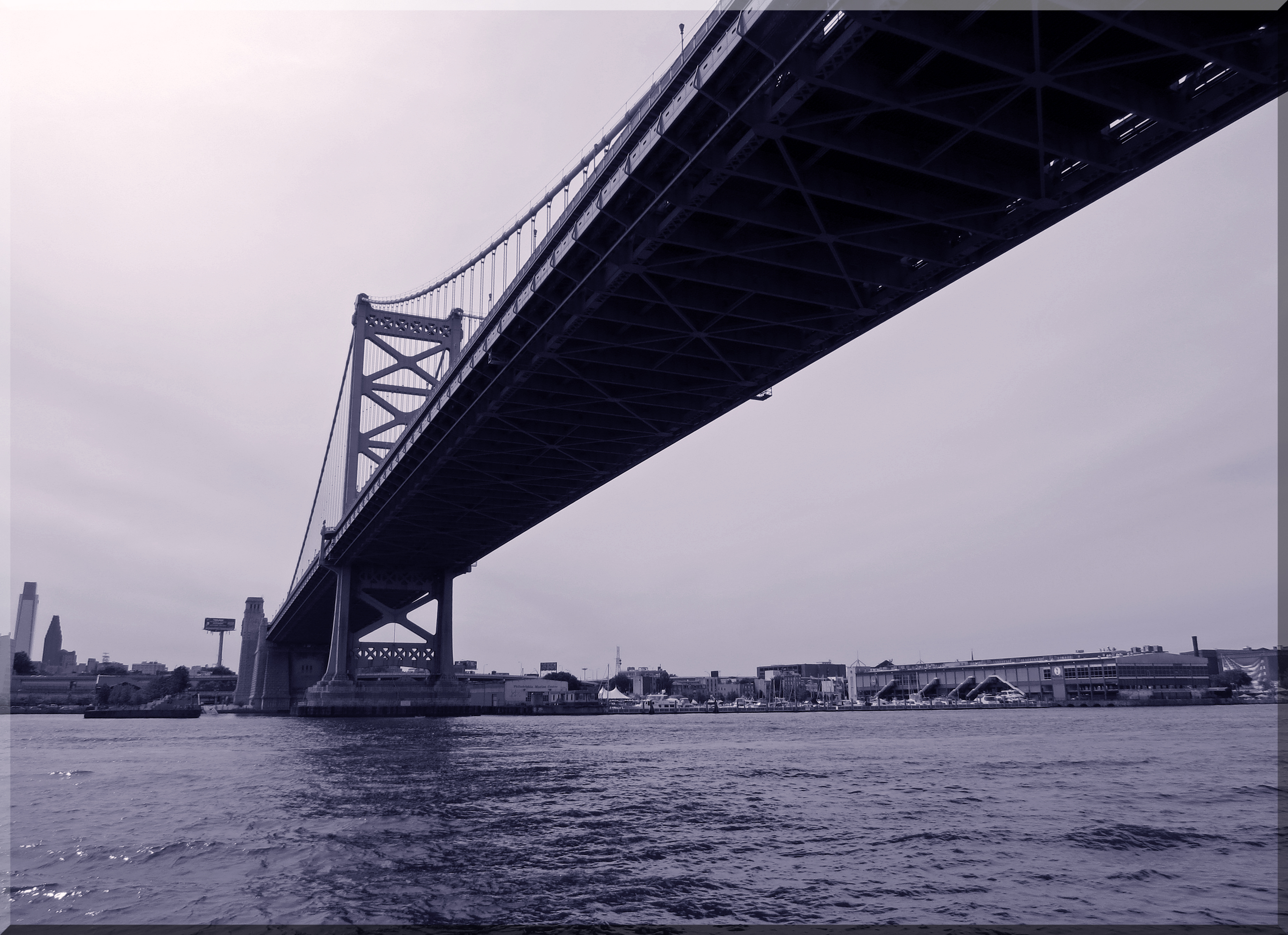
When the Amistad schooner sailed into Philadelphia in May of 2012, I signed up for one of their voyages on the Delaware River. The Amistad glided under the Benjamin Franklin Bridge, and from that perspective, I could view the massive steel superstructure and study the span across the river, stretching from Philadelphia to Camden. When workmen finished building the structure back in the 1920s, it was the longest suspension bridge in the world. 

With the bridge’s magnificent arch across the river still fresh in my memory, I now had the chance to walk up and over the bridge on the Architectural Walking Tour sponsored by the Preservation Alliance for Greater Philadelphia. What drew me to cross the bridge was more than a curiosity about the structure, but I didn’t realize my motive until I had finished the walk to the other side.

Under BFB

Stopping by the Constitution Center

Watercolor BF BridgeOn a bright September day, my sister and I walked down Market Street in Philadelphia toward the bridge, passing the Constitution Center. Having a few minutes, we stopped in at the Museum Shop. We browsed through the various sections, especially admiring their collection of t-shirts. In the book section, I found a diary book with a watercolor of the bridge on the cover. After our brief visit to the shop, we headed back on Market Street and made our way to 4th Street.

Bridge’s History Retold

Our tour began in the Philly Olde City neighborhood, in front of two historic churches, St. George, the oldest Methodist Church in the US and St Augustine, a Catholic Church once burned to the ground to punish the immigrant Irish for having the audacity to settle in the area. In 1922 the first draft of the construction suggested that the bridge go right through St. George; but the congregation protested, and architects made an adjustment, with a 14-foot leeway that preserved St. George. Each church had to accommodate to the bridge by constructing walls, one floor below the original structure, lowering their doors, so that 4th Street could go under the bridge.

BFB Garden View

Garden at St. Augustine, looking across to St. George Church and the Bridge to the right.

Walkway along the Sky

Our guide led us up a side street to the pedestrian walkway that runs along the East side of the bridge. As the tour group started to walk up the inclined sidewalk, we could see the hubbub of activity on the side streets below and point out landmarks, such as the steeple of Christ Church. Art deco lanterns lined up on the railings that followed the sidewalk.

Granite Station

Bridge Station Never Used

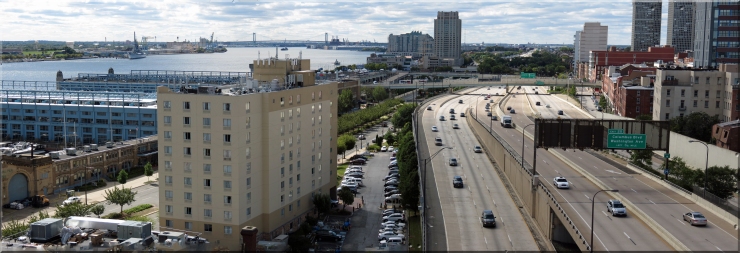
As we approached the first granite anchorage, originally constructed as a trolley station, cars along Route 95 sped by underneath. The highway ribbons along the Delaware and stands as a central feature in the landscape from that view-point. Christopher Columbus Boulevard shadows the superhighway, and one lone building, municipal Pier Number 9, is reminiscent of the days when the Philadelphia port had been a major thoroughfare of commerce, with wharfs and docks lining the Delaware port. The twentieth century saw much of the historic riverfront razed. Condominiums now occupy spaces along the river as well as Penn’s Landing, Seaport Museum and The Olympia, the world‘s oldest steel ship still afloat. 

Panorama BFB road river

A grand landscape stretched before us. I looked back on the city, and noticed how the steel cables, extending up the 380 foot towers, framed the walkway. Even though built 80 years ago, the bridge is a marvel of invention and esthetic wonder.

BFB Looking Down City

Study in Blue

From the top of the bridge, we gazed down the river on the New Jersey side to the Adventure Aquarium and Penn Treaty Park and then more distant landmarks, the Battleship New Jersey and the Betsy Ross Bridge. We watched the boat traffic, everything from a schooner, passenger ferry, container ship, motorboats and tugs.

BFB River Boat

A schooner sailed alongside the working boats of the river.

BFB Sailboat

Walking toward Camden, we focused on the city’s waterfront where neat-looking parking lots were surrounded by green spaces with trees and landscaping. The baseball field and stadium, home of the Camden Riversharks minor league baseball team, sported an attractive brick exterior and the look of yesteryear with peaked roof lines. A game was just getting underway as we walked by.

Campbell's Field

Campbell’s Field

Looking for the Dog on Top of the Building

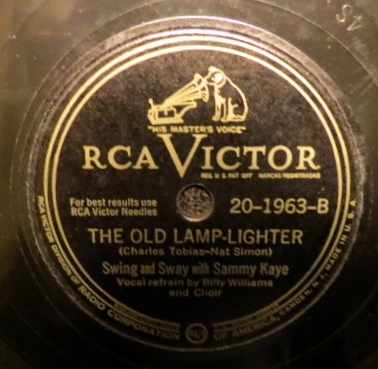
IMG_4579When we were children, our family would drive over the Ben Franklin Bridge to vacation at the Jersey Shore, and I remember we would look out the car window searching for the dog on top of “Dad’s building” where he worked. The puppy sitting in front of the gramophone was the famous RCA, or Radio Corporation of America, trademark, and the image appeared on all of their records. The Nipper Building, the nickname for what was once labeled as Building 17 of RCA’s Camden Plant, was built during the second decade of the twentieth century to house the Victrola cabinet factory. In 1916 the company installed on the tower four stained glass windows depicting the dog and gramophone. The RCA Corporation bought the building in 1929, using the Victrola names and logos on their own line of products into the 1970s.

My Father’s Commute

For over 25 years my father commuted from the Western suburbs of Philadelphia by way the Media trolley, the Market Street El, and the PATCO High-speed Line, which crosses the bridge, to his workplace at the Camden plant, just a few blocks from the bridge exit. RCA was an electronics company and one of the leaders of television technology from the 1930s and right into the next three decades. The plant manufactured broadcast equipment as well as television sets. The engineers at the Camden plant were responsible for building the first radio transmission from the moon of Neil Armstrong’s famous line, “One small step.”

John Malinoski RCA

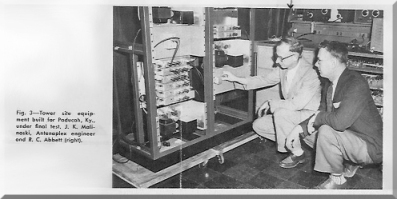
I wished that I could go back in time and ask Dad to take pictures of the bridge, plant and river because the area looked entirely different back then as factories, smokestacks, utility buildings and railroad lines occupied the landscape. For over two decades Dad worked for RCA as an electronic engineer, and I have only one picture that documents his work at the plant.

Our family didn’t realize the larger implications of my father’s transfer from Camden to Massachusetts in 1968. RCA began to reduce and sell off most of their broadcast products, finally going out of business in 1986. Buildings along the waterfront area were torn down as the area became abandoned and neglected. Building 17 also fell into disrepair and almost met with the wrecking ball, saved in 2001, when the New Jersey Economic Authority awarded a grant to preserve the structure.

RCA Building

The Nipper Building is now listed on the National Register of Historic Places. I don’t believe my father ever suspected that someday, the well-worn factory where he worked, would be considered a national treasure, but my sister and I always thought there was something special about that dog atop the tower. Forty years later, the iconic image guards the memory of my father and thousands other workers, whose electronic inventions pioneered broadcasting technologies.

The bridge had guided me back through our family history that I had almost forgot.

Nipper

Links of Interest

Historic Camden County
RCA TV Equipment Section of the Broadcast Archive
Eyes of a Generation
Eight Blocks in Camden that Made History

“I Have a Thing about Trains”

IMG_4296

Growing up in the 1950s, our family always had a train under the Christmas tree. The train belonged to my father when he was a boy, purchased by my grandparents in the 1920s. Lionel #318 0040, manufactured in the years 1924-32, displayed realistic detail, including brass trim. Two sets of cars could be attached to the engine: a freight and a passenger set. The cars’ authenticity, including handles, lights, ornate railings and mock stained glass made them especially fun to play with as we would give our stuffed animals and dolls a ride in the cars. The little engine chugged along the tracks, making a kind of grinding sound, and a large-sized transformer provided the electric, occasionally sparking as we adjusted the switch.

The success of the Lionel Company making model trains for children mimicked the popularity of the railroads in the 1920s when train travel was central to transportation in America. Railroads carrying freight and people crisscrossed the United States. Train-hopping by hobos and migrants became a commonplace method for workers to move to new locations that promised jobs. This was the railroads’ Golden Era, and folks passed on myths and legends associated trains, such as Casey Jones and John Henry.  These folk songs became well-known in American culture, with the Wabash Cannonball one of favorites of country singers.

Now listen to the jingle, and the rumble, and the roar,
As she dashes thro’ the woodland, and speeds along the shore,
See the mighty rushing engine, hear her merry bell ring out,
As they speed along in safety, on  the “Great Rock-Island Route.”

Although rail travel is making somewhat of comeback today, folks think nostalgically about the old steam trains whistling across the landscape. So was our experience visiting the Strasburg Railroad and Museum in Lancaster, Pennsylvania. As we boarded the train, I noticed the striking interior of the car, with polished woodwork and decorative stained glass at the top of the windows.  As we rode along, the cadence of the wheels on the tracks produced a soothing rhythm as we watched the scenery glide by.

Maybe I’m a little sentimental cause I know that things have to change
But I’d still like to go for a train ride cause I’ve got a thing about trains.
Johnny Cash

A Corner in West Mount Airy, Philadelphia

IMG_2295

Greene Street and Carpenter Lane

Taking a writing course offered at the Big Blue Marble Bookstore led me into a community in West Mount Airy at the corners of Greene and Carpenter Lane. Despite the bleak winter afternoon, the community offered a warm atmosphere as the little shops that lined the streets invited me to stop in to visit. In addition to taking a writing course, I had also enrolled in a photography class at an art center in my community, so I had brought my camera along, as our assignment was to look for new shapes and textures as subjects.

IMG_2275With a fondness for restoration, I couldn’t believe my luck stumbling onto the Philadelphia Salvage Company. Suitcases and trunks piled on what looked like an old railroad cart, and metal cans spilled into the sidewalk. But I didn’t linger too long in cold. Upon entering the building, I noticed  a cast iron stove, pumping warm air through the building, as a tea kettle spewed steam from its spout. I warmed my hands and looked around, mesmerized by the array of architectural salvage, from stained glass, plumbing and electrical fixtures, antique doors and windows. In a second life, I could be a picker, as I love all the old stuff in need of a fix-up.

The Salvage Company celebrates a doggie visitor as their “mascot of the day,”  and I understand that a sleepy cat sometimes occupies the front bench.

Tea Pot Frame

I found lots of subjects for my photography assignment.

This slideshow requires JavaScript.

One subject seemed to deserve special attention: a shelf of different sized gears.  The photograph of those gears inspired this blog post, and three months later the photo won first place at the Community Arts Center!

Across the street from the Salvage Company, dogs waited patiently for their owners grabbing a bite to eat at the High Point Cafe. Chilled by the damp air, I stopped in for a cup of coffee. I was not disappointed as the coffee was excellent, in addition to their selection of pastries. The Cafe refers to their corner as a village and “are proud to be part of one.”

IMG_2289

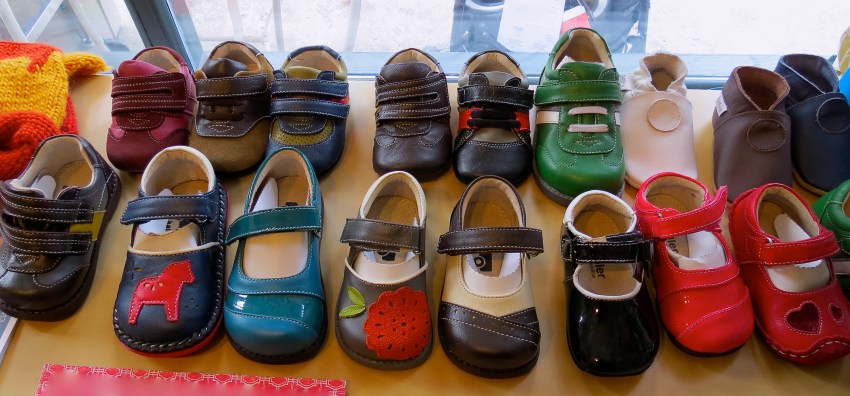
One store down from the Cafe, the Nesting House specializes in selling new and used baby items “with an aim to uphold a mission of social and environmental stewardship.” They sell cloth diapers and used clothing. I found a little pair of shiny dress shoes for my great-niece.

IMG_1943

Crossing over to the corner, I opened the door to the Weavers Way Co-Op, and met with crowds waiting in line to make their purchases. Deli aroma filled the air, and signs advertised hot soup for sale by the cup. According to co-ops website, they sell products that are “local, sustainable, organic, fairly traded and healthful.” It’s a small, two-story compact space, and yet they had annual sales up to $14 million.

IMG_1945

A Huge Assortment of Bulk Items

I picked up some fresh vegetables and loaf of bread and headed to my destination, Big Blue Marble Bookstore. This store reminded me of the book shop restoration I had been part of years ago at Bindlestiff Books in West Philly. An independent book seller, the shop displayed a fantastic collection of children’s books and places for kids to sit and consider what they might buy. Toys and stuffed animals filled every corner. A cozy space, I lingered in the travel section before heading upstairs to my writing course. The store sponsors events including book clubs that can use their community space.

IMG_2171

The progressive leanings of this corner village come from a long history of neighborhood harmony. According to Wikipedia,

The area is recognized by many civil rights groups as one of the first successfully integrated neighborhoods in America. Mount Airy residents organized to resist blockbustingpanic selling, and redlining, especially during the period from the late 1950s to the early 1970s when those practices were prevalent. It continues to be a well-blended neighborhood and was recently cited in Oprah Winfrey’s O magazine for its racial diversity and neighborhood appeal. The community has also been recognized by US News & World Report for racial harmony and balance.

The harmony in their neighborhood stands in contrast to what the big-box stores offer. In this post, Mystique of the Ole Fashioned General Store I compare the general store of years gone by, which served as a community anchor, with the big-box store of today, which, in contrast, offers little neighborhood involvement or esthetic appeal.  According to a study conducted by faculty at Penn State, big-box stores coincide with hate groups. Mount Airy demonstrates that progressive values provide the small-town American atmosphere we long for in this country. It’s as simple as having a welcoming street corner in your neighborhood.

Road Trip: DelMarVa Peninsula to the Outer Banks

I’ve made this trip often, so I thought that it might be time to journal the drive. We’ve changed our route over the years, as new highways now bypass some of the little towns. The new routes take less time with the elimination of traffic lights but have lost the chance to view the environs of these towns. Along the way, many interesting places beckon us to explore rather than stay on course for our destination.

We start our journey on my least-favorite highway, the congested Route 95, which is a direct route, if nothing else. At Delaware, the highway splits and Route 495 provides a pass around Wilmington. For a few miles, we see expansive views of the Delaware River, bridges, factories, ship yards, refineries and a big hill where trucks haul trash to the top. With major construction on-going, we navigate through the cattle shoots, jostling for a place on the highway with 18-wheelers.

Chesapeake & Delaware Canal Bridge

Opened in 1995, this bridge is one of the first of its kind in the area. A concrete and steel cable-stayed bridge, it spans the Delaware Canal, which connects the Chesapeake Bay to the Delaware River.

IMG_4158

Just off the bridge, fields of corn alternate with suburban sprawl, box-like newer construction–single family and apartment complexes.  Scrub forests and mixed pine and deciduous woods fill much of the landscape.

The Chesapeake Peninsula is coastal plain, which is a sandy, flat area, and the view from the car are fields of crops and outcroppings of forests in unpopulated areas.  Small and large stands selling fruits and vegetables regularly appear along the highways. Along Route 13, shopping districts and homes have sprawled over some the farmlands in the last twenty-five years.

 Ocean City, Maryland

Ocean City is a popular seaside resort for folks who live in the Mid-Atlantic region. Even though I have lived just three hours from this town, this will be my first visit. Our family vacationed at the Jersey Shore, specifically, Cape May. On this trip I thought it was time to stop at Ocean City, lured by the chance to walk along the lively 3-mile long boardwalk. After sitting in the car, will be good to get out and smell the sea air.

This slideshow requires JavaScript.

The Ocean City website listed a variety of events in the city: fireworks, concerts, movies and laser light shows.

Berlin, Maryland

A short drive from Ocean City, we stopped for lunch in the historic town of Berlin. The residents have restored the buildings along the main streets, where eclectic gift and antique stores feature displays in their windows. The tree-lined streets, Victorian lanterns and planters filled with flowers made this town an inviting stay. Several restaurants, such as the Drummer’s Cafe, Rayne’s Reef Luncheonette and SiCuli Rustic Italian offered a variety of choices for lunch. We ate at The Globe, once the neighborhood movie theatre and enjoyed a tasty lunch while watching an old-time flick.

This slideshow requires JavaScript.

Crisfield, Maryland and Tangier Island

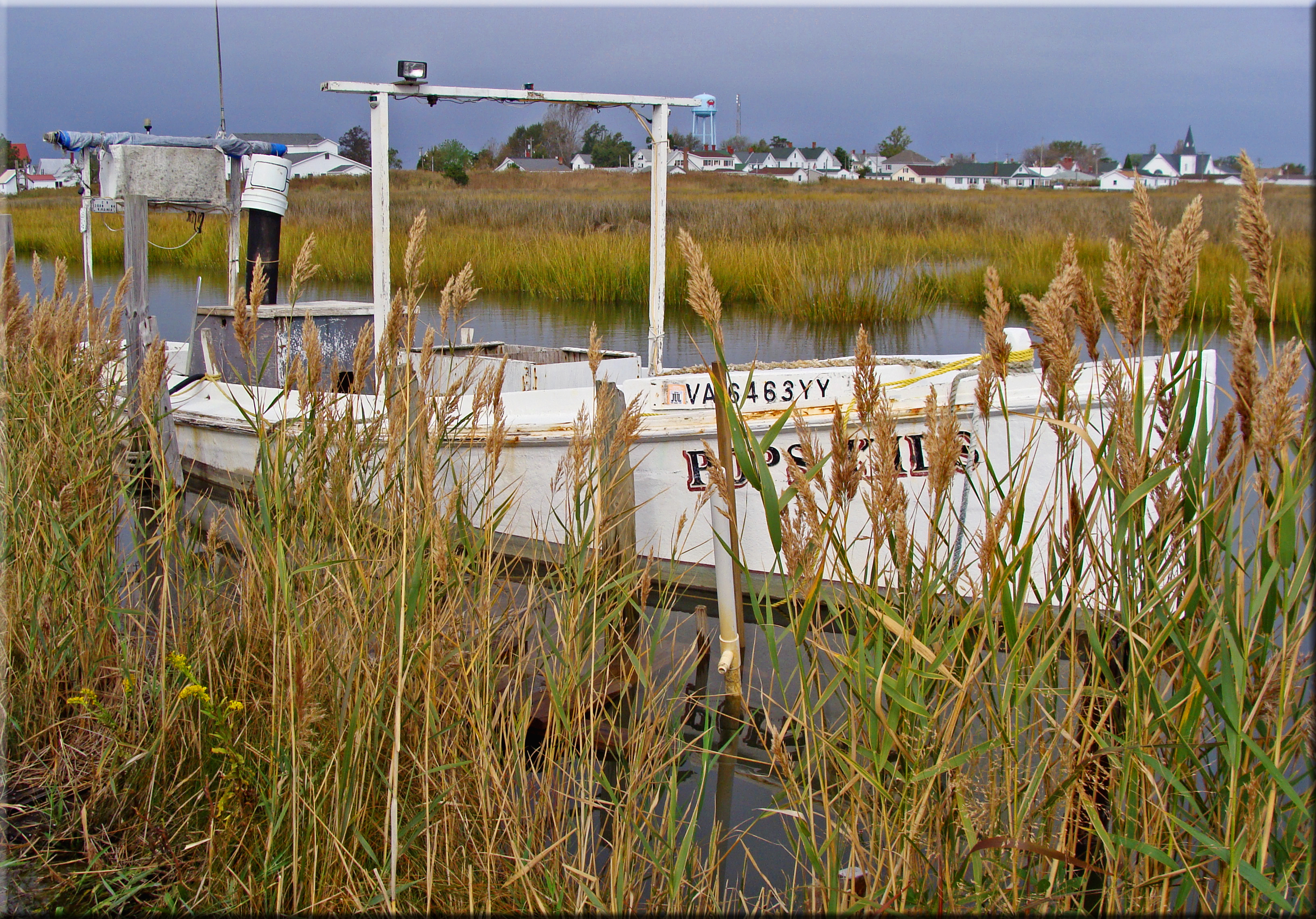
Blog post, Tangier–Virginia’s Island Lost in Time, describes our visit to Tangier Island in 2011.

Tangier

Parksley, Virginia

Parksley Train Station

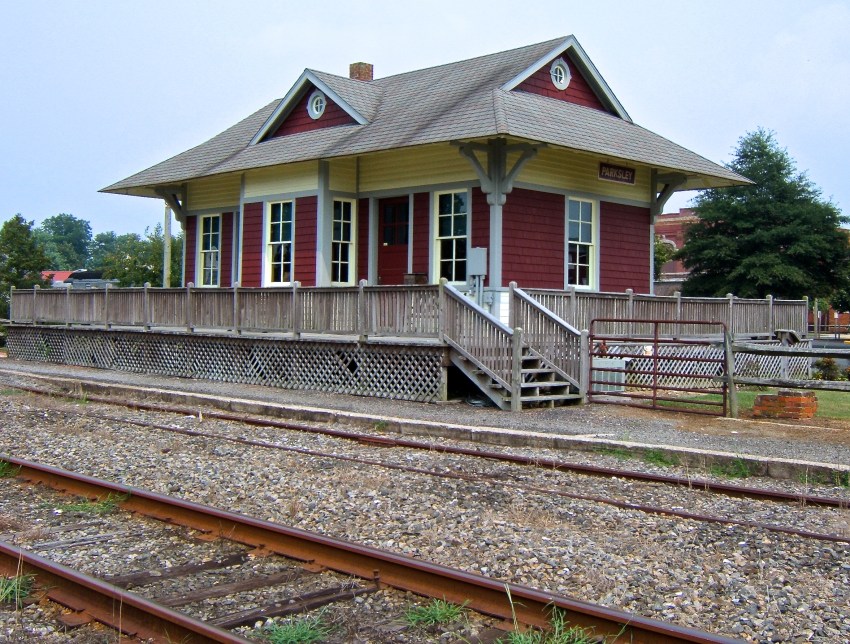
Parksley was a planned community as a result of the railroad constructions on the Eastern Shore and is representative of the small town atmosphere of that era.  The commercial district in the center of town has a number of shops and restaurants.  Victorian houses stand along the shaded streets.

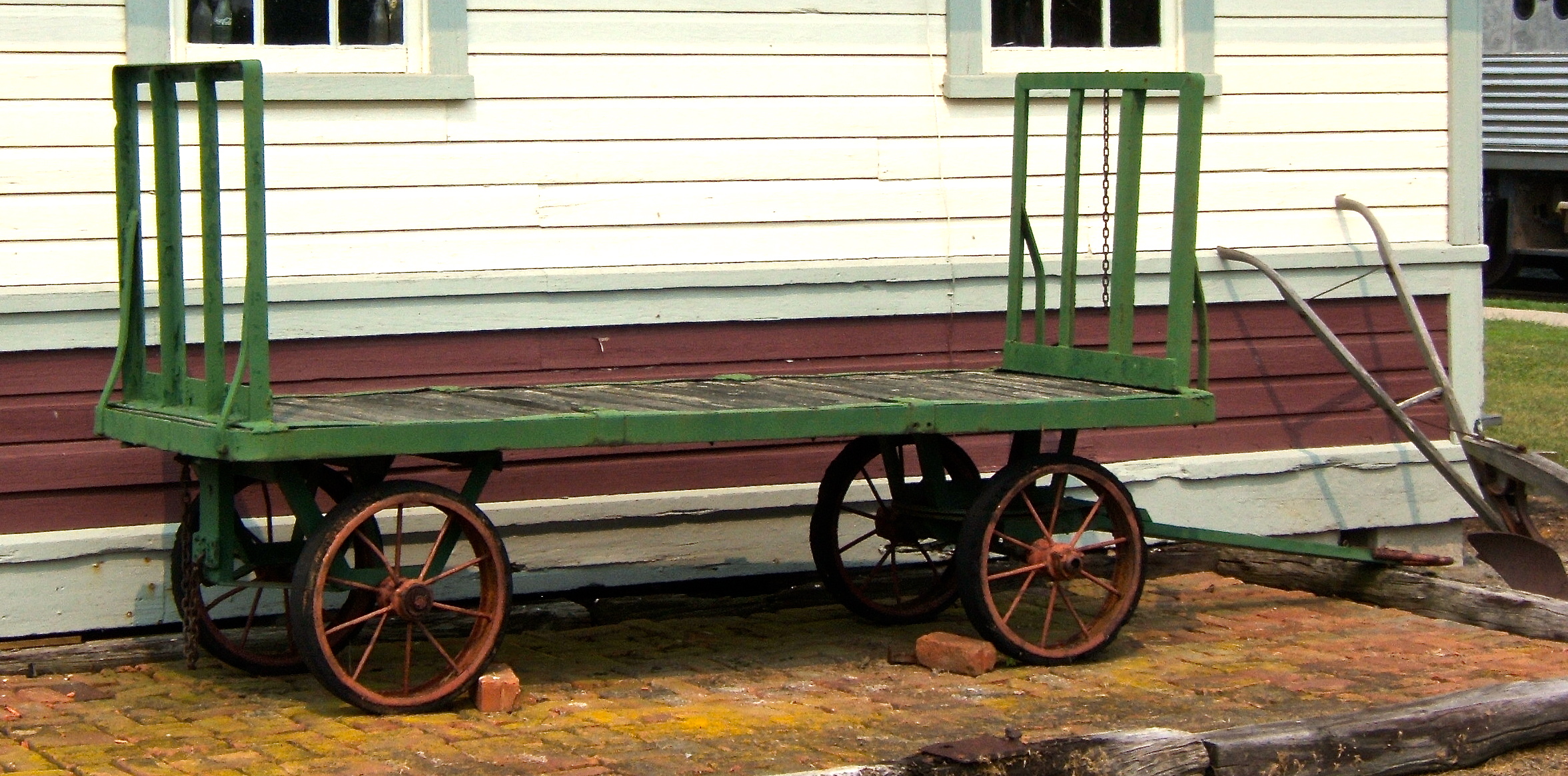
Founded in 1988, the Eastern Shore Railroad Museum is housed in a restored train station.  Around the station, railway cars, such as the Fredericksburg and Richmond Post Office Car and the Wabash Caboose rest on tracks.

Train Cart

Onancock, Virginia

Onancock comes from the Indian word “auwannaku” meaning foggy place, but it was a bright sunny day when we arrived. This town offers much to see with self-guiding walking tours past historic homes and lovely gardens and places to rent boats and kayaks. A ferry operates out of Onancock Creek to Tangier Island. For over a century, the Hopkins and Brothers operated a mercantile store, as Onancock had been a busy center for trade. Renovated and moved, the interior of the building still maintains the look of a country store. A number of old-fashioned general stores still remain in operation along our route, which inspired this post on the political and social aspects of losing the general store in the American small town.

This slideshow requires JavaScript.

Chicotegue Island, Virginia

Spending just a day on Chincoteague Island, we were rewarded with a serendipitous experience. Chincoteague, on the eastern shore of the Del Mar Peninsula, is best known for the wild ponies, whose ancestors survived a wreck of a Spanish Galleon, or one of the legends would have us believe. Turned out the egrets carried the day.

Cape Charles, Virginia

Turning off 168, about twenty miles from the Chesapeake Bay Bridge, we found this attractive little gas station. Read more about this station and others like it at: Nostalgic Memorabilia: Filling Stations of the 1920s.

Gas Station

Gas Station on Route 184

We explored the bay-side town of Cape Charles. For many years the town had been the terminal of the Little Creek Cape Charles Ferry, which provided car ferry service to Norfolk and Hampton. Now an expansive beach runs the length of the village. Many of the homes date back to the early 1900s, and the town center has a distinctly small town main street.

Chesapeake Bay Bridge

Across the mouth of the Chesapeake Bay the bridge meets the Atlantic Ocean and opening of the Chesapeake Bay. About 17 miles long, the bridge connects Cape Charles with Norfolk.

IMG_4013

The Bridge-Tunnel, opened in 1964 and considered the largest bridge-tunnel complex in the world, consists of low trestle bridges, two suspension bridges and two tunnels, each a mile long under the shipping channels.

Currituck, North Carolina

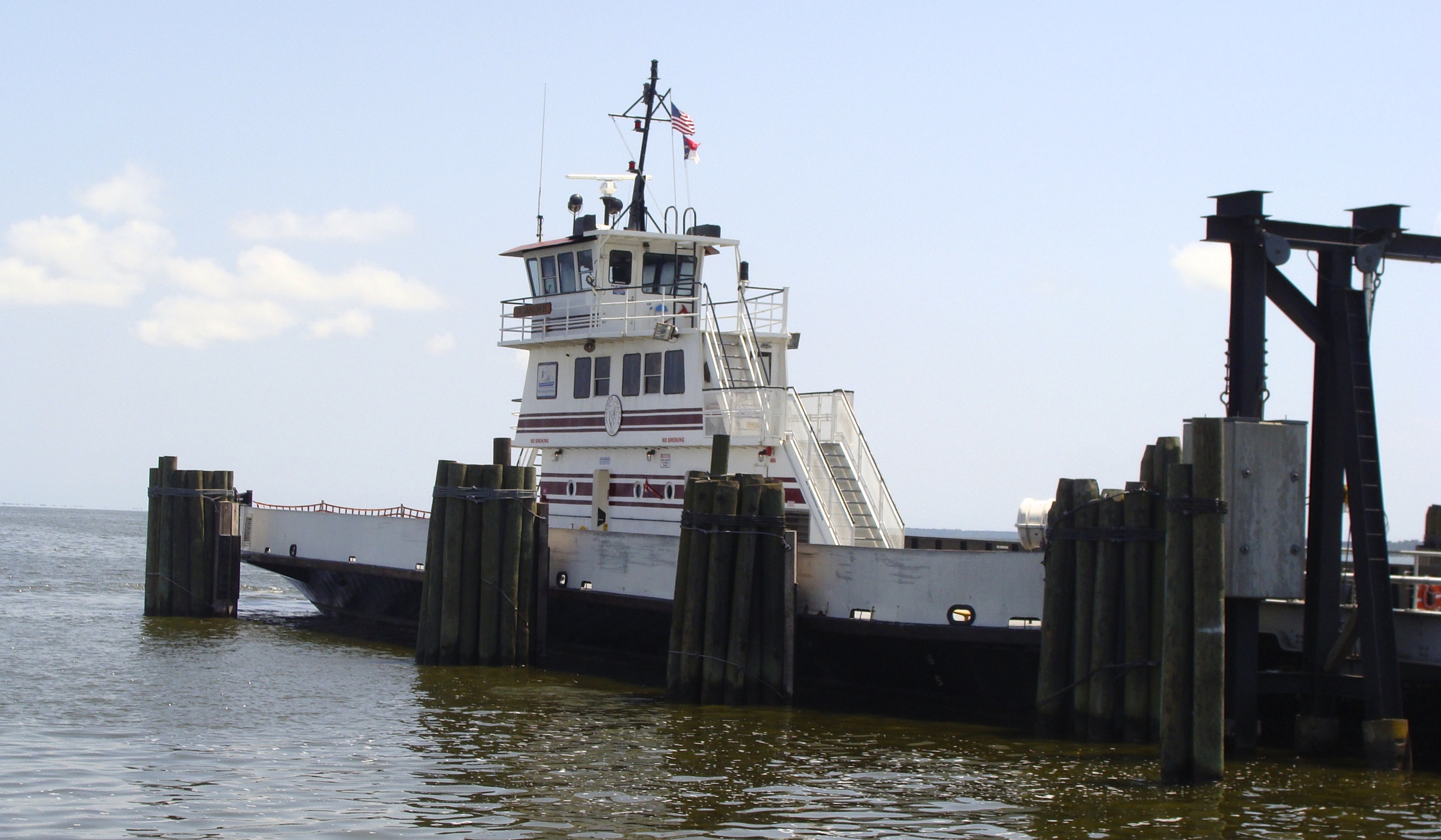
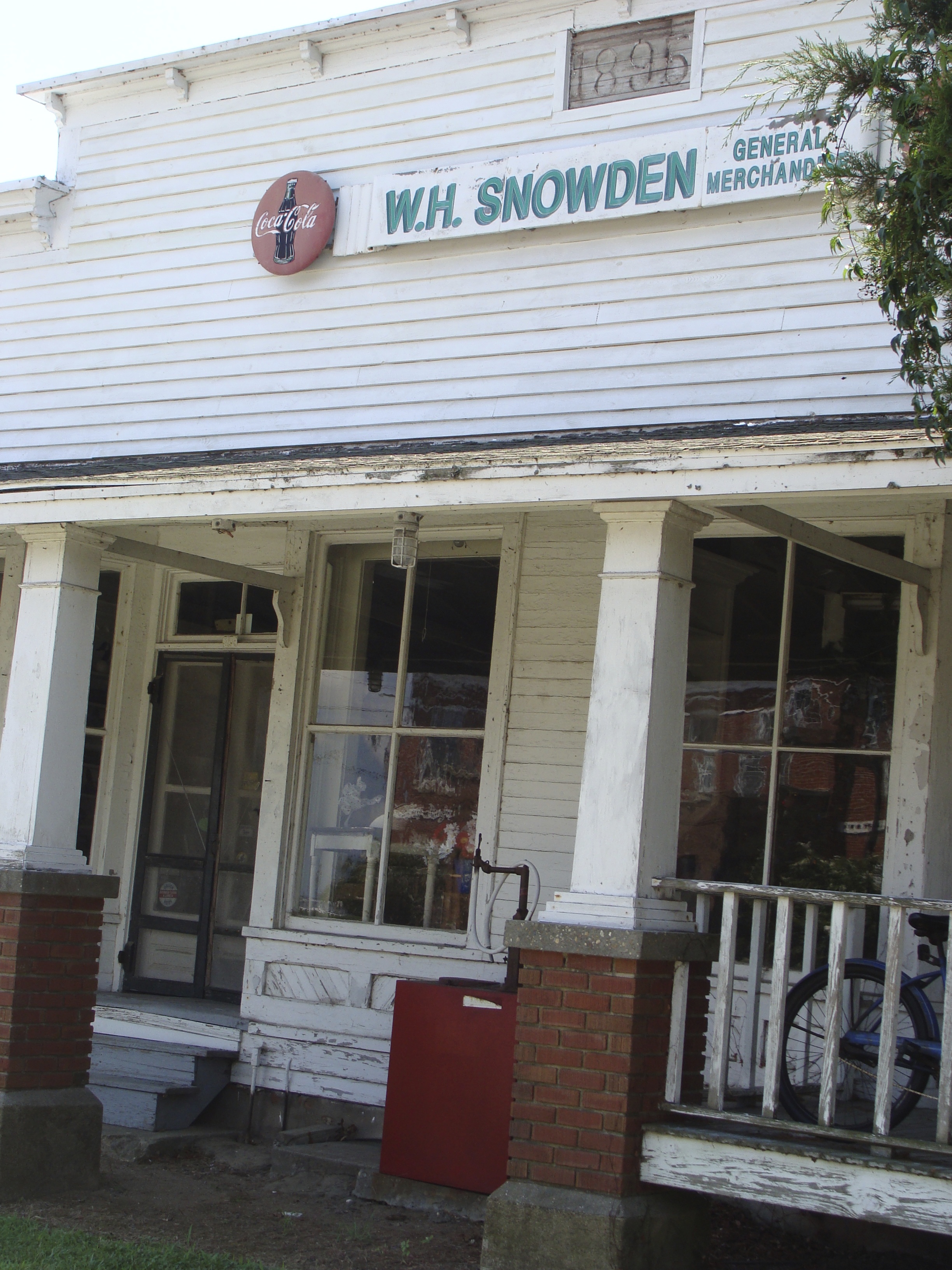
Just off of Route 168 and situated on the Currituck Sound, the town is the landing for the Knotts Island Ferry, which offers a free shuttle to Knotts Island.  The town has a few brick buildings including the Courthouse and Jail house, dating back to 1820. W. H. Snowden’s General Merchandising  Store was closed but I could peek in the windows and see that it still retains the look of a country store.

Ferry

Knotts Island Ferry

Snowden General Store

Peck Basket, Moyock, North Carolina

One of our favorite stops along Route 168 is the Peck Basket. Years ago the little store was not more than a shack but always had an eclectic array of items to gaze at or to buy. In its new site, has taken on the ambiance of a general store, replete with pot belly stove and old-time counters and open shelves.

This slideshow requires JavaScript.

Wright Memorial Bridge, North Carolina

Built in 1966 and over a mile long, this bridge connects the Outer Banks to the mainland. Getting over the bridge on a Saturday is an exercise in patience as traffic backs up along 168 all the way to the Cotton Gin. The backup continues along Route 12, the only highway to the upper end of the island.

Duck, North Carolina

Beach and bay scenes in Duck.

This slideshow requires JavaScript.

Elizabethan Gardens, Manteo

Best described on their website:

Fanciful and elaborate gardens were kept to entertain Queen Elizabeth I during her reign. Our garden was created for your enjoyment, and as a living memorial to the time when Sir Walter Raleigh’s lost colonists lived in this very place over 400 years ago. Inside our brick-walled gate you’ll find a wonderful collection of Renaissance statues, a sound-front Elizabethan-gazebo, a sunken Elizabethan knot garden – all adorned by an ever-changing palette of year-round color from hydrangeas to native plants, perennials and  camellias on ten sound-side acres.

This slideshow requires JavaScript.

The Lost Colony, Manteo

One evening we attended The Lost Colony, the longest-running outdoor theater. I especially enjoyed the 16th century choir music and the Native American dancers, who flung the sand in arches over their heads. Special effects, fire torches and guns blasting, added unexpected excitement and action. The story, an historical drama rather than a recreation of actual events, piqued my interest and I followed up with some research on my own. Our family members were friends with the “Queen,” played by Diana Cameron McQueen, so we stayed after the performance to meet and talk with the cast members.

This slideshow requires JavaScript.

Tag Cloud