Humble Contributions to the Peoples' History

Archive for August, 2013

“I Have a Thing about Trains”

IMG_4296

Growing up in the 1950s, our family always had a train under the Christmas tree. The train belonged to my father when he was a boy, purchased by my grandparents in the 1920s. Lionel #318 0040, manufactured in the years 1924-32, displayed realistic detail, including brass trim. Two sets of cars could be attached to the engine: a freight and a passenger set. The cars’ authenticity, including handles, lights, ornate railings and mock stained glass made them especially fun to play with as we would give our stuffed animals and dolls a ride in the cars. The little engine chugged along the tracks, making a kind of grinding sound, and a large-sized transformer provided the electric, occasionally sparking as we adjusted the switch.

The success of the Lionel Company making model trains for children mimicked the popularity of the railroads in the 1920s when train travel was central to transportation in America. Railroads carrying freight and people crisscrossed the United States. Train-hopping by hobos and migrants became a commonplace method for workers to move to new locations that promised jobs. This was the railroads’ Golden Era, and folks passed on myths and legends associated trains, such as Casey Jones and John Henry.  These folk songs became well-known in American culture, with the Wabash Cannonball one of favorites of country singers.

Now listen to the jingle, and the rumble, and the roar,
As she dashes thro’ the woodland, and speeds along the shore,
See the mighty rushing engine, hear her merry bell ring out,
As they speed along in safety, on  the “Great Rock-Island Route.”

Although rail travel is making somewhat of comeback today, folks think nostalgically about the old steam trains whistling across the landscape. So was our experience visiting the Strasburg Railroad and Museum in Lancaster, Pennsylvania. As we boarded the train, I noticed the striking interior of the car, with polished woodwork and decorative stained glass at the top of the windows.  As we rode along, the cadence of the wheels on the tracks produced a soothing rhythm as we watched the scenery glide by.

Maybe I’m a little sentimental cause I know that things have to change
But I’d still like to go for a train ride cause I’ve got a thing about trains.
Johnny Cash

A Corner in West Mount Airy, Philadelphia

IMG_2295

Greene Street and Carpenter Lane

Taking a writing course offered at the Big Blue Marble Bookstore led me into a community in West Mount Airy at the corners of Greene and Carpenter Lane. Despite the bleak winter afternoon, the community offered a warm atmosphere as the little shops that lined the streets invited me to stop in to visit. In addition to taking a writing course, I had also enrolled in a photography class at an art center in my community, so I had brought my camera along, as our assignment was to look for new shapes and textures as subjects.

IMG_2275With a fondness for restoration, I couldn’t believe my luck stumbling onto the Philadelphia Salvage Company. Suitcases and trunks piled on what looked like an old railroad cart, and metal cans spilled into the sidewalk. But I didn’t linger too long in cold. Upon entering the building, I noticed  a cast iron stove, pumping warm air through the building, as a tea kettle spewed steam from its spout. I warmed my hands and looked around, mesmerized by the array of architectural salvage, from stained glass, plumbing and electrical fixtures, antique doors and windows. In a second life, I could be a picker, as I love all the old stuff in need of a fix-up.

The Salvage Company celebrates a doggie visitor as their “mascot of the day,”  and I understand that a sleepy cat sometimes occupies the front bench.

Tea Pot Frame

I found lots of subjects for my photography assignment.

This slideshow requires JavaScript.

One subject seemed to deserve special attention: a shelf of different sized gears.  The photograph of those gears inspired this blog post, and three months later the photo won first place at the Community Arts Center!

Across the street from the Salvage Company, dogs waited patiently for their owners grabbing a bite to eat at the High Point Cafe. Chilled by the damp air, I stopped in for a cup of coffee. I was not disappointed as the coffee was excellent, in addition to their selection of pastries. The Cafe refers to their corner as a village and “are proud to be part of one.”

IMG_2289

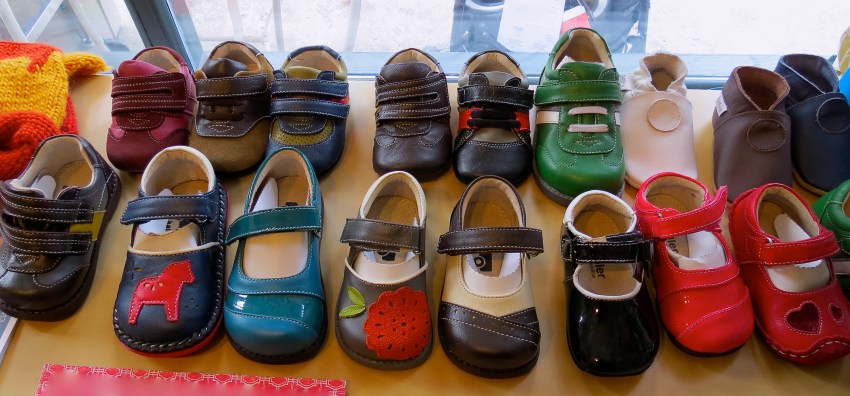
One store down from the Cafe, the Nesting House specializes in selling new and used baby items “with an aim to uphold a mission of social and environmental stewardship.” They sell cloth diapers and used clothing. I found a little pair of shiny dress shoes for my great-niece.

IMG_1943

Crossing over to the corner, I opened the door to the Weavers Way Co-Op, and met with crowds waiting in line to make their purchases. Deli aroma filled the air, and signs advertised hot soup for sale by the cup. According to co-ops website, they sell products that are “local, sustainable, organic, fairly traded and healthful.” It’s a small, two-story compact space, and yet they had annual sales up to $14 million.

IMG_1945

A Huge Assortment of Bulk Items

I picked up some fresh vegetables and loaf of bread and headed to my destination, Big Blue Marble Bookstore. This store reminded me of the book shop restoration I had been part of years ago at Bindlestiff Books in West Philly. An independent book seller, the shop displayed a fantastic collection of children’s books and places for kids to sit and consider what they might buy. Toys and stuffed animals filled every corner. A cozy space, I lingered in the travel section before heading upstairs to my writing course. The store sponsors events including book clubs that can use their community space.

IMG_2171

The progressive leanings of this corner village come from a long history of neighborhood harmony. According to Wikipedia,

The area is recognized by many civil rights groups as one of the first successfully integrated neighborhoods in America. Mount Airy residents organized to resist blockbustingpanic selling, and redlining, especially during the period from the late 1950s to the early 1970s when those practices were prevalent. It continues to be a well-blended neighborhood and was recently cited in Oprah Winfrey’s O magazine for its racial diversity and neighborhood appeal. The community has also been recognized by US News & World Report for racial harmony and balance.

The harmony in their neighborhood stands in contrast to what the big-box stores offer. In this post, Mystique of the Ole Fashioned General Store I compare the general store of years gone by, which served as a community anchor, with the big-box store of today, which, in contrast, offers little neighborhood involvement or esthetic appeal.  According to a study conducted by faculty at Penn State, big-box stores coincide with hate groups. Mount Airy demonstrates that progressive values provide the small-town American atmosphere we long for in this country. It’s as simple as having a welcoming street corner in your neighborhood.

Road Trip: DelMarVa Peninsula to the Outer Banks

I’ve made this trip often, so I thought that it might be time to journal the drive. We’ve changed our route over the years, as new highways now bypass some of the little towns. The new routes take less time with the elimination of traffic lights but have lost the chance to view the environs of these towns. Along the way, many interesting places beckon us to explore rather than stay on course for our destination.

We start our journey on my least-favorite highway, the congested Route 95, which is a direct route, if nothing else. At Delaware, the highway splits and Route 495 provides a pass around Wilmington. For a few miles, we see expansive views of the Delaware River, bridges, factories, ship yards, refineries and a big hill where trucks haul trash to the top. With major construction on-going, we navigate through the cattle shoots, jostling for a place on the highway with 18-wheelers.

Chesapeake & Delaware Canal Bridge

Opened in 1995, this bridge is one of the first of its kind in the area. A concrete and steel cable-stayed bridge, it spans the Delaware Canal, which connects the Chesapeake Bay to the Delaware River.
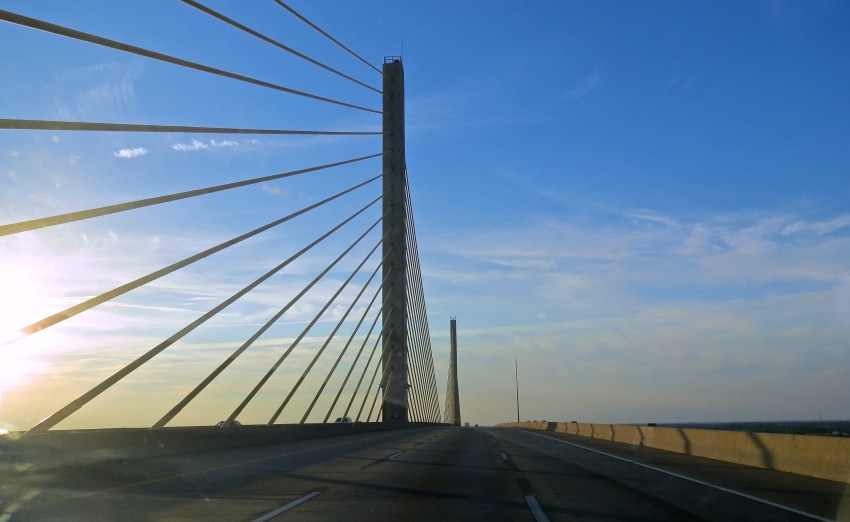
IMG_4158

Just off the bridge, fields of corn alternate with suburban sprawl, box-like newer construction–single family and apartment complexes.  Scrub forests and mixed pine and deciduous woods fill much of the landscape.

The Chesapeake Peninsula is coastal plain, which is a sandy, flat area, and the view from the car are fields of crops and outcroppings of forests in unpopulated areas.  Small and large stands selling fruits and vegetables regularly appear along the highways. Along Route 13, shopping districts and homes have sprawled over some the farmlands in the last twenty-five years.

 Ocean City, Maryland

Ocean City is a popular seaside resort for folks who live in the Mid-Atlantic region. Even though I have lived just three hours from this town, this will be my first visit. Our family vacationed at the Jersey Shore, specifically, Cape May. On this trip I thought it was time to stop at Ocean City, lured by the chance to walk along the lively 3-mile long boardwalk. After sitting in the car, will be good to get out and smell the sea air.

This slideshow requires JavaScript.

The Ocean City website listed a variety of events in the city: fireworks, concerts, movies and laser light shows.

Berlin, Maryland

A short drive from Ocean City, we stopped for lunch in the historic town of Berlin. The residents have restored the buildings along the main streets, where eclectic gift and antique stores feature displays in their windows. The tree-lined streets, Victorian lanterns and planters filled with flowers made this town an inviting stay. Several restaurants, such as the Drummer’s Cafe, Rayne’s Reef Luncheonette and SiCuli Rustic Italian offered a variety of choices for lunch. We ate at The Globe, once the neighborhood movie theatre and enjoyed a tasty lunch while watching an old-time flick.

This slideshow requires JavaScript.

Crisfield, Maryland and Tangier Island

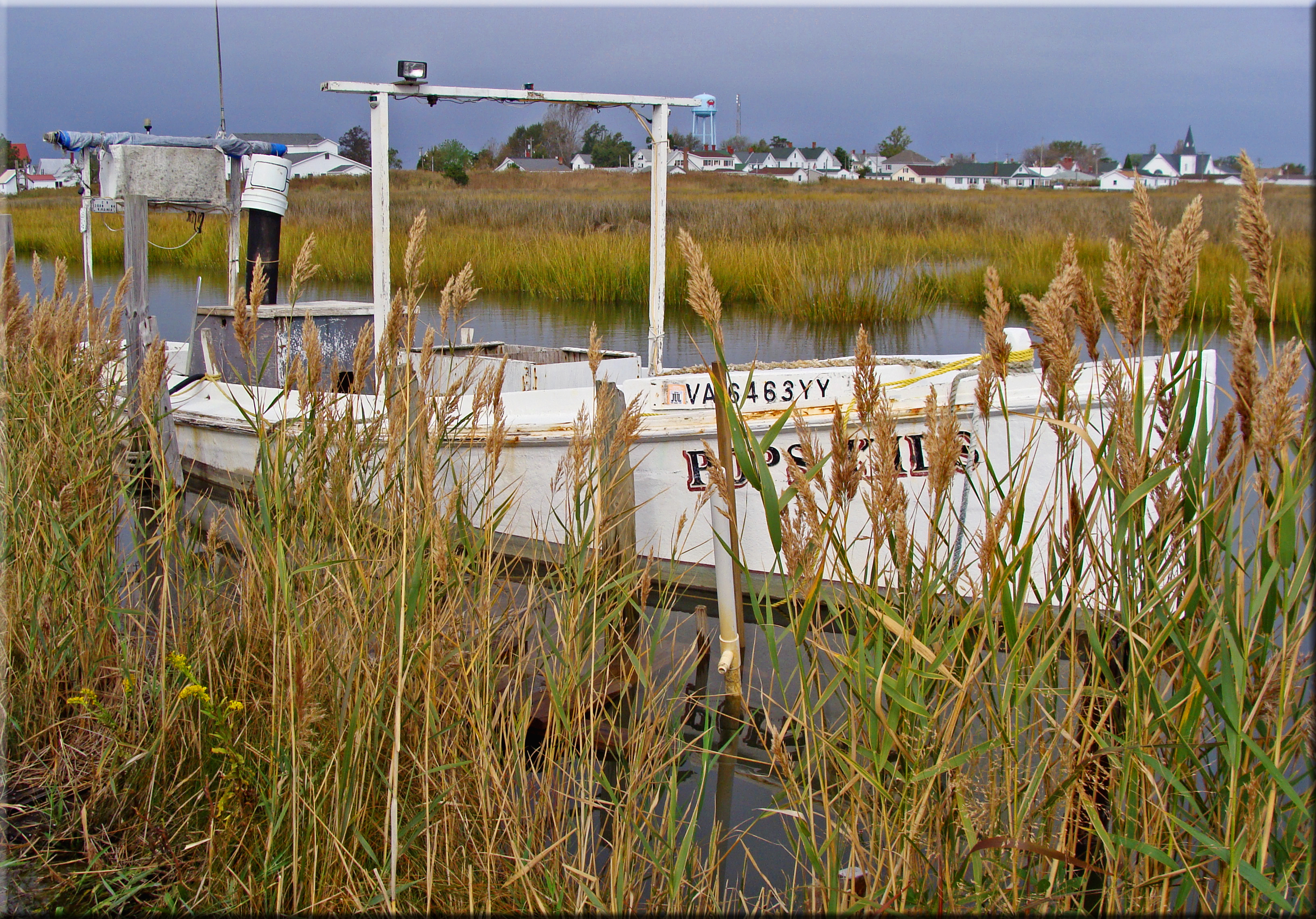
Blog post, Tangier–Virginia’s Island Lost in Time, describes our visit to Tangier Island in 2011.
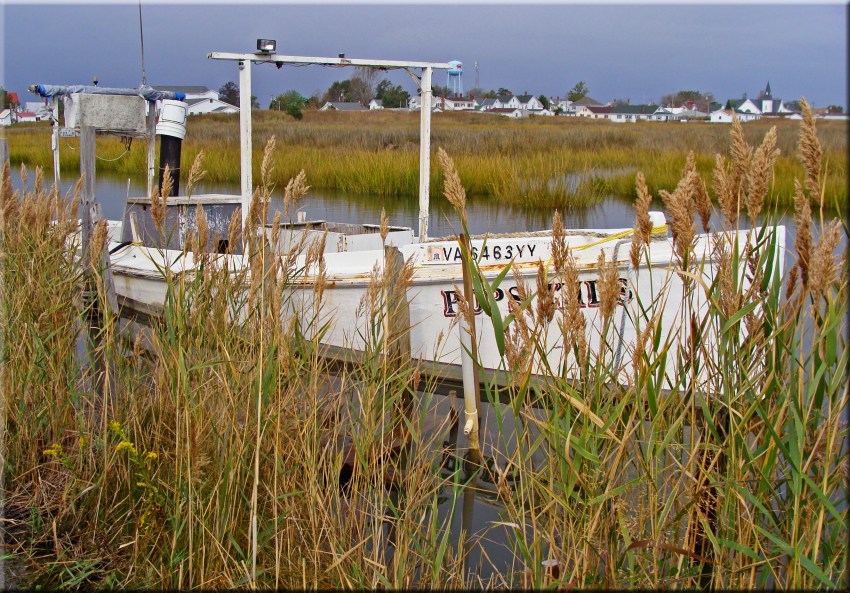
Tangier

Parksley, Virginia

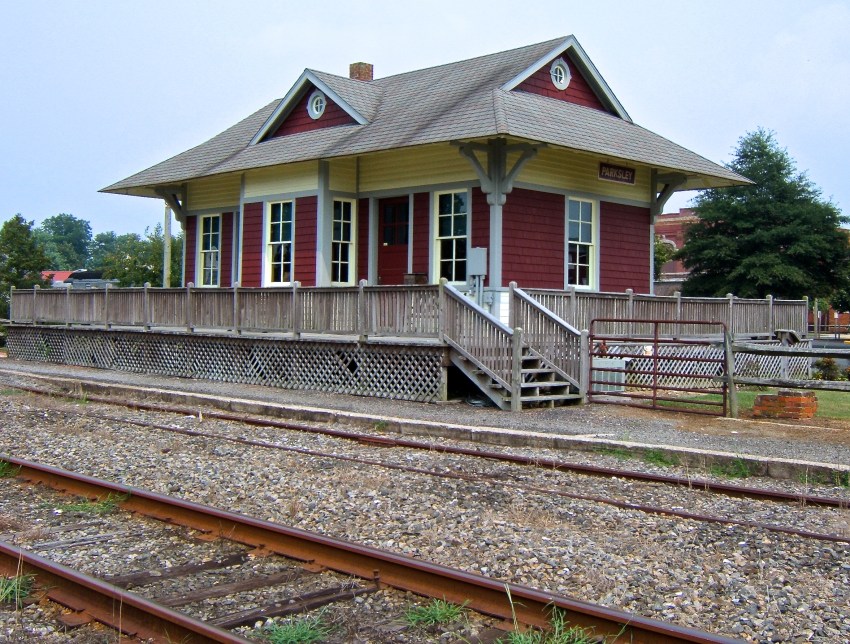
Parksley Train Station

Parksley was a planned community as a result of the railroad constructions on the Eastern Shore and is representative of the small town atmosphere of that era.  The commercial district in the center of town has a number of shops and restaurants.  Victorian houses stand along the shaded streets.

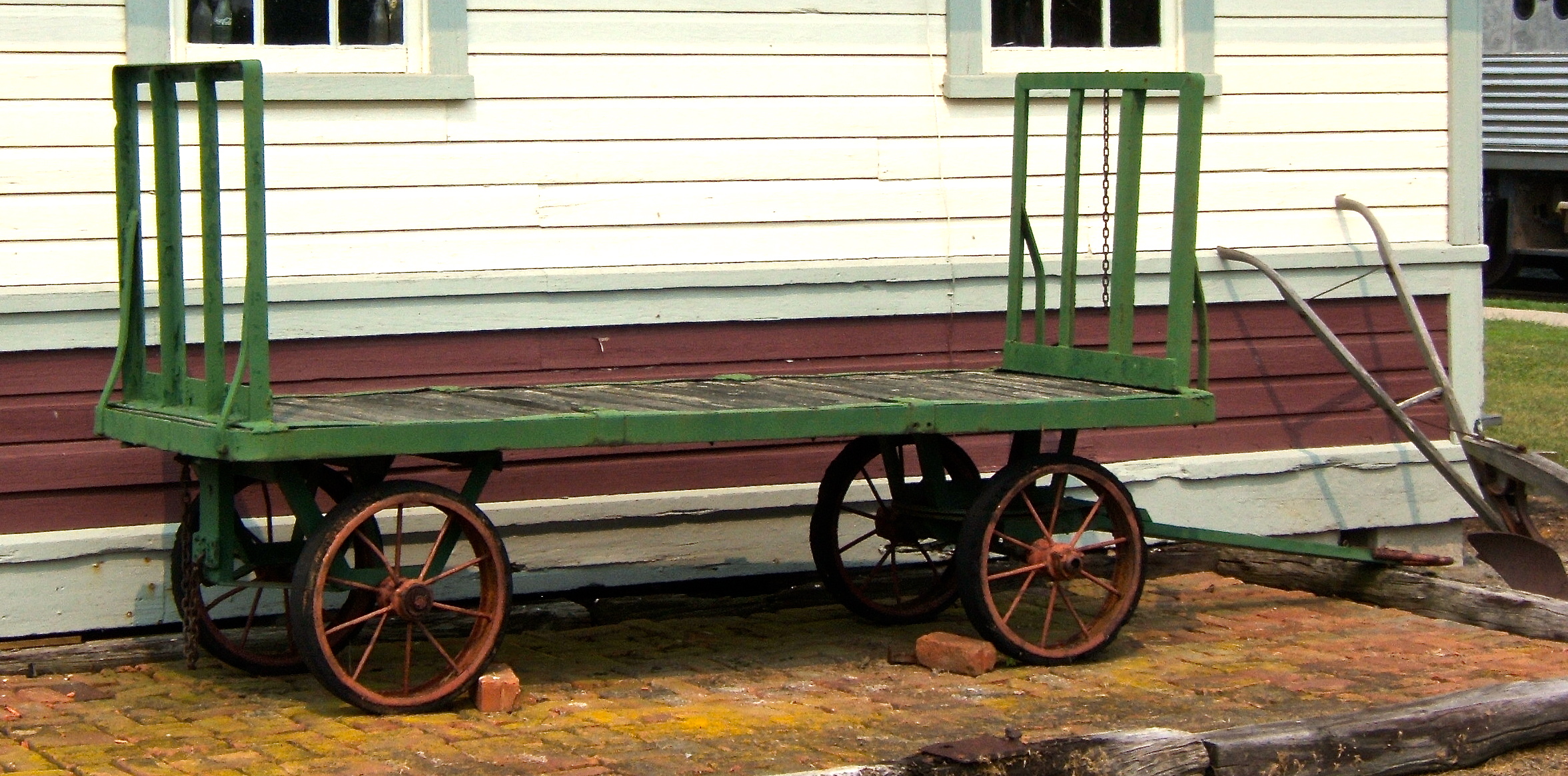
Founded in 1988, the Eastern Shore Railroad Museum is housed in a restored train station.  Around the station, railway cars, such as the Fredericksburg and Richmond Post Office Car and the Wabash Caboose rest on tracks.
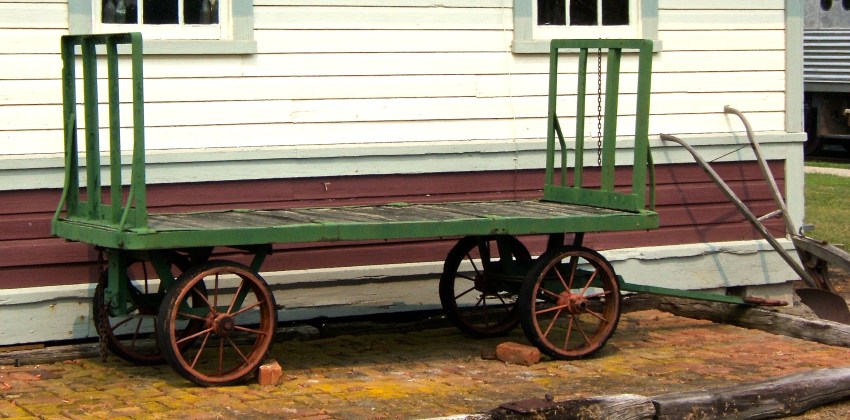
Train Cart

Onancock, Virginia

Onancock comes from the Indian word “auwannaku” meaning foggy place, but it was a bright sunny day when we arrived. This town offers much to see with self-guiding walking tours past historic homes and lovely gardens and places to rent boats and kayaks. A ferry operates out of Onancock Creek to Tangier Island. For over a century, the Hopkins and Brothers operated a mercantile store, as Onancock had been a busy center for trade. Renovated and moved, the interior of the building still maintains the look of a country store. A number of old-fashioned general stores still remain in operation along our route, which inspired this post on the political and social aspects of losing the general store in the American small town.

This slideshow requires JavaScript.

Chicotegue Island, Virginia

Spending just a day on Chincoteague Island, we were rewarded with a serendipitous experience. Chincoteague, on the eastern shore of the Del Mar Peninsula, is best known for the wild ponies, whose ancestors survived a wreck of a Spanish Galleon, or one of the legends would have us believe. Turned out the egrets carried the day.

Cape Charles, Virginia

Turning off 168, about twenty miles from the Chesapeake Bay Bridge, we found this attractive little gas station. Read more about this station and others like it at: Nostalgic Memorabilia: Filling Stations of the 1920s.
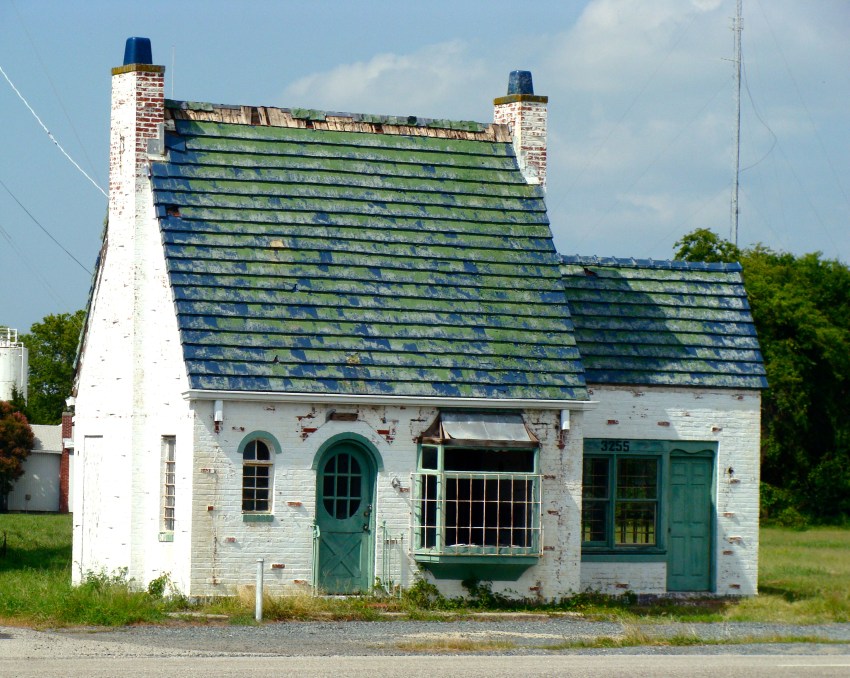
Gas Station

Gas Station on Route 184

We explored the bay-side town of Cape Charles. For many years the town had been the terminal of the Little Creek Cape Charles Ferry, which provided car ferry service to Norfolk and Hampton. Now an expansive beach runs the length of the village. Many of the homes date back to the early 1900s, and the town center has a distinctly small town main street.

Chesapeake Bay Bridge

Across the mouth of the Chesapeake Bay the bridge meets the Atlantic Ocean and opening of the Chesapeake Bay. About 17 miles long, the bridge connects Cape Charles with Norfolk.
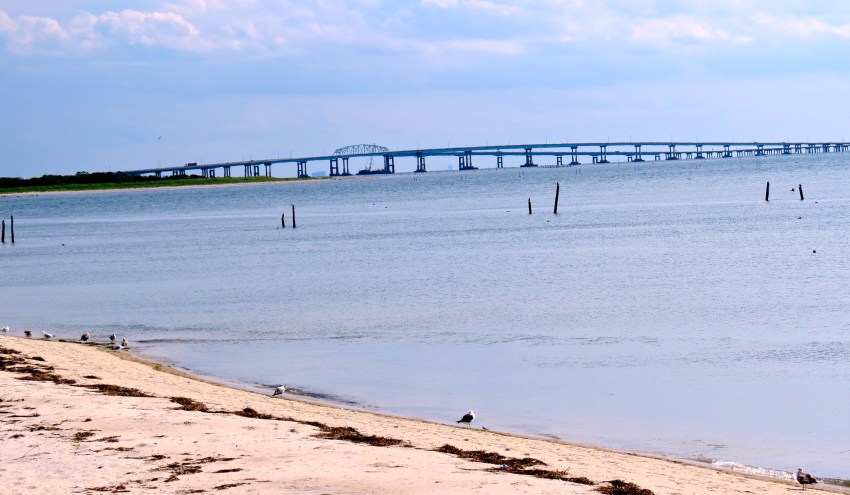
IMG_4013

The Bridge-Tunnel, opened in 1964 and considered the largest bridge-tunnel complex in the world, consists of low trestle bridges, two suspension bridges and two tunnels, each a mile long under the shipping channels.

Currituck, North Carolina

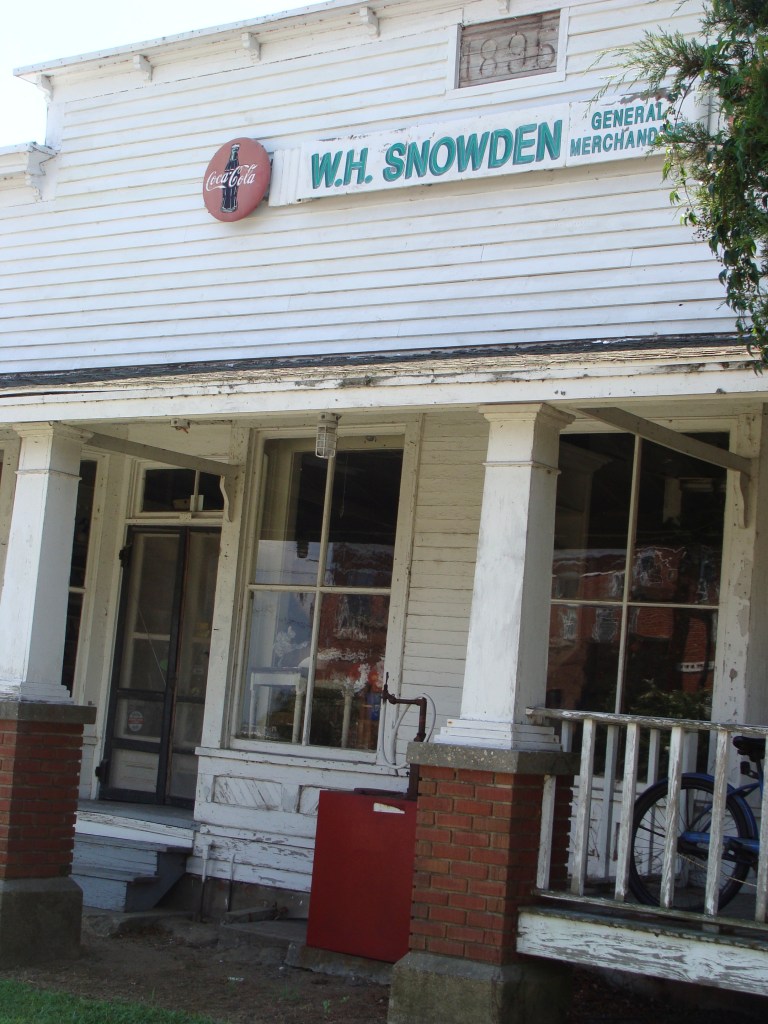
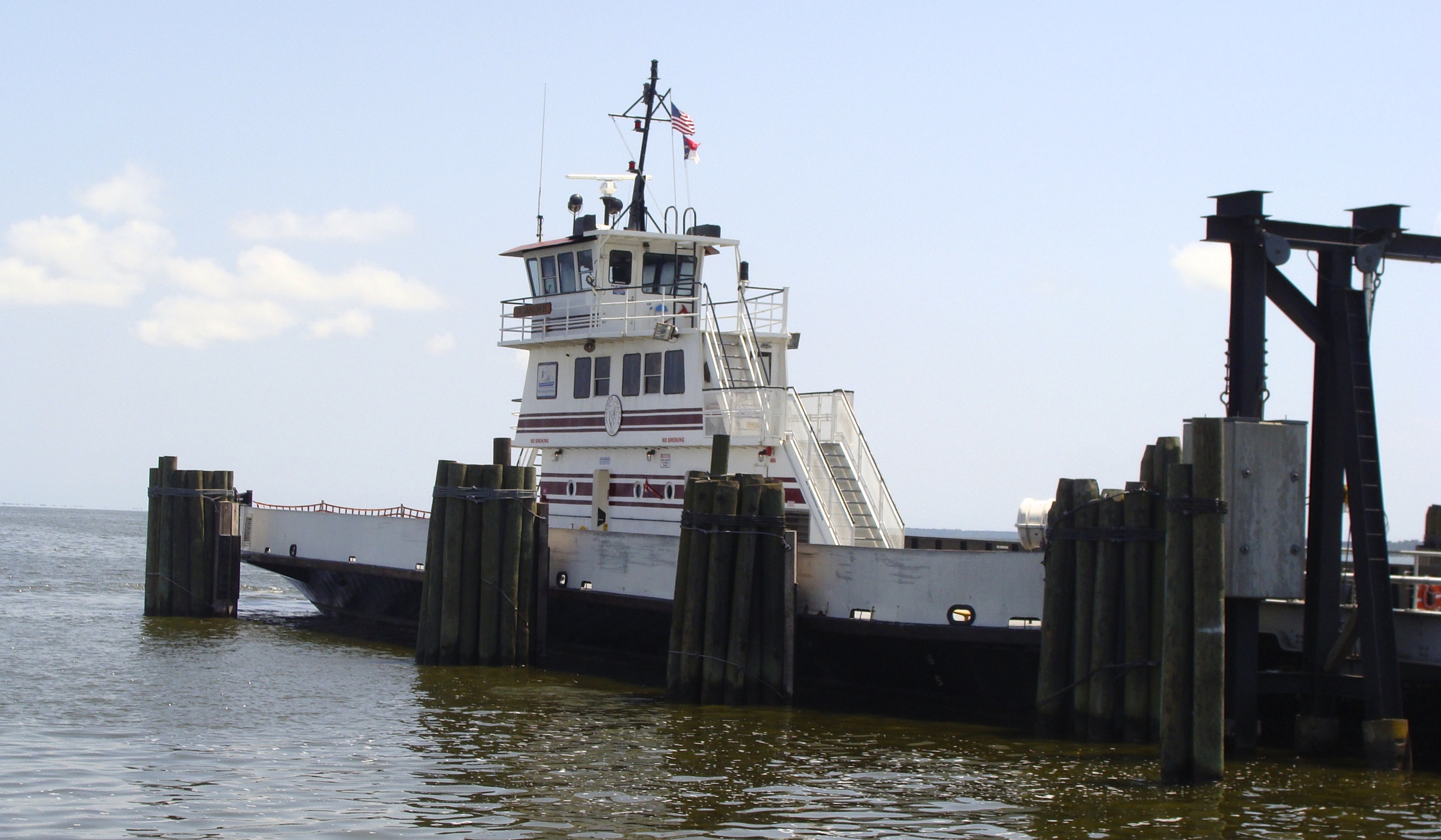
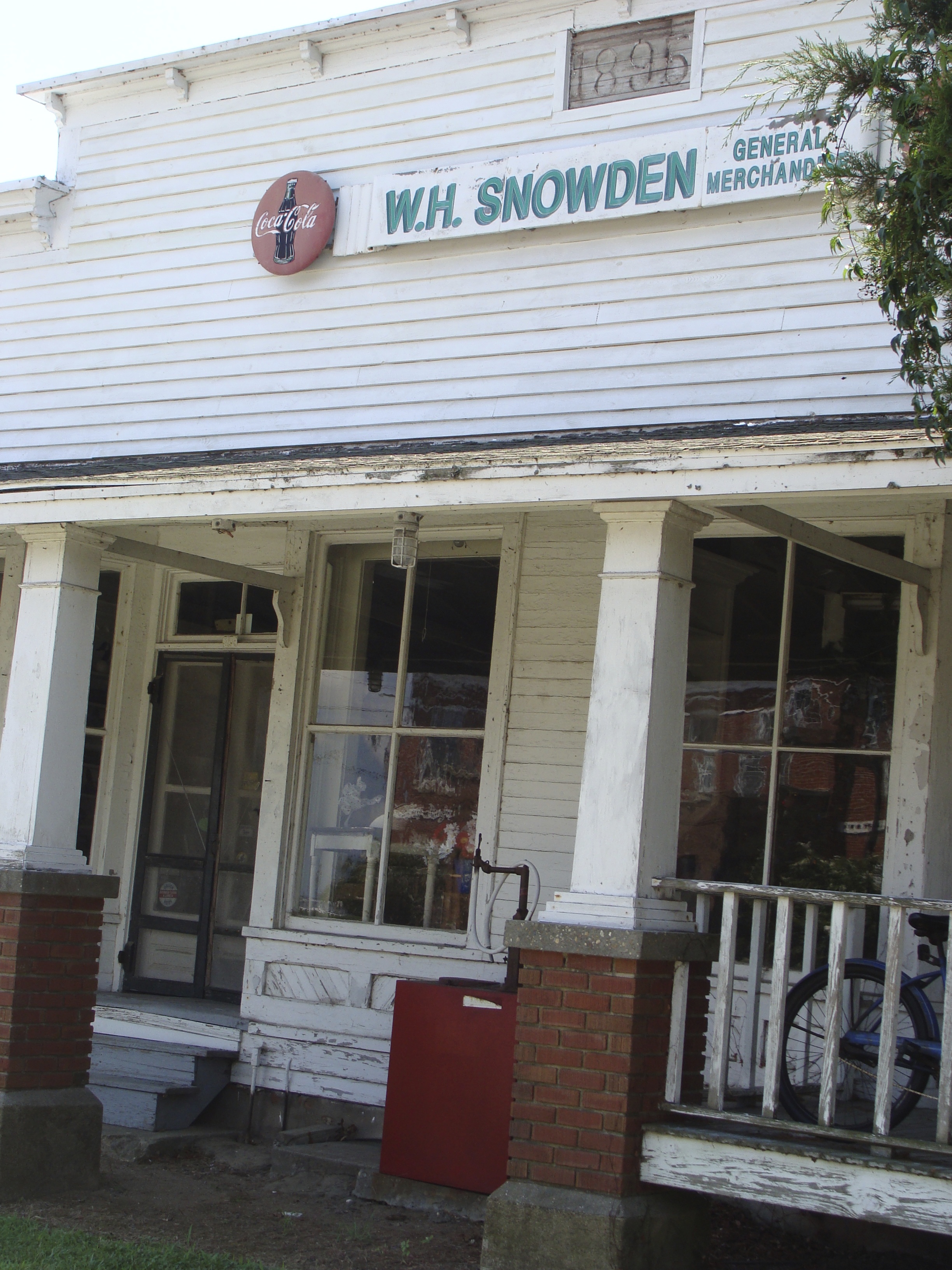
Just off of Route 168 and situated on the Currituck Sound, the town is the landing for the Knotts Island Ferry, which offers a free shuttle to Knotts Island.  The town has a few brick buildings including the Courthouse and Jail house, dating back to 1820. W. H. Snowden’s General Merchandising  Store was closed but I could peek in the windows and see that it still retains the look of a country store.
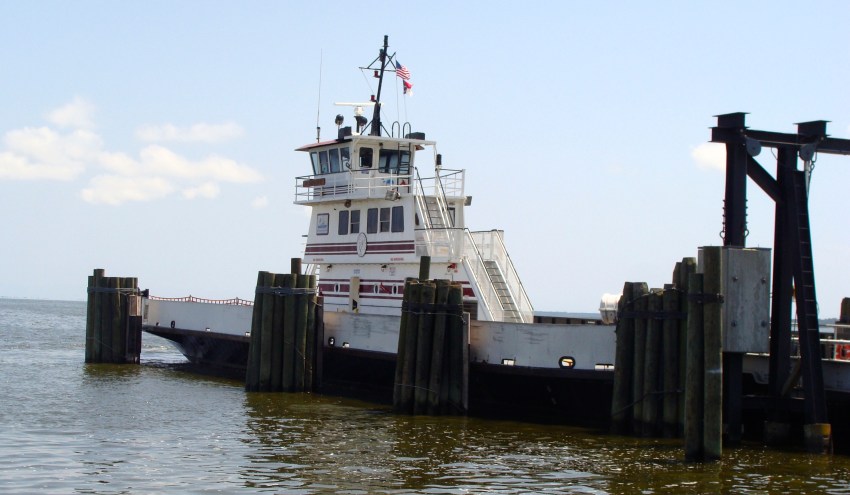
Ferry

Knotts Island Ferry

Snowden General Store

Peck Basket, Moyock, North Carolina

One of our favorite stops along Route 168 is the Peck Basket. Years ago the little store was not more than a shack but always had an eclectic array of items to gaze at or to buy. In its new site, has taken on the ambiance of a general store, replete with pot belly stove and old-time counters and open shelves.

This slideshow requires JavaScript.

Wright Memorial Bridge, North Carolina

Built in 1966 and over a mile long, this bridge connects the Outer Banks to the mainland. Getting over the bridge on a Saturday is an exercise in patience as traffic backs up along 168 all the way to the Cotton Gin. The backup continues along Route 12, the only highway to the upper end of the island.

Duck, North Carolina

Beach and bay scenes in Duck.

This slideshow requires JavaScript.

Elizabethan Gardens, Manteo

Best described on their website:

Fanciful and elaborate gardens were kept to entertain Queen Elizabeth I during her reign. Our garden was created for your enjoyment, and as a living memorial to the time when Sir Walter Raleigh’s lost colonists lived in this very place over 400 years ago. Inside our brick-walled gate you’ll find a wonderful collection of Renaissance statues, a sound-front Elizabethan-gazebo, a sunken Elizabethan knot garden – all adorned by an ever-changing palette of year-round color from hydrangeas to native plants, perennials and  camellias on ten sound-side acres.

This slideshow requires JavaScript.

The Lost Colony, Manteo

One evening we attended The Lost Colony, the longest-running outdoor theater. I especially enjoyed the 16th century choir music and the Native American dancers, who flung the sand in arches over their heads. Special effects, fire torches and guns blasting, added unexpected excitement and action. The story, an historical drama rather than a recreation of actual events, piqued my interest and I followed up with some research on my own. Our family members were friends with the “Queen,” played by Diana Cameron McQueen, so we stayed after the performance to meet and talk with the cast members.

This slideshow requires JavaScript.

Low Cost Urban Garden Makeover

The alley that runs in back of row houses can present aesthetic problems for homeowners, given that developers provided the space to handle utilitarian functions, such as car traffic into garages and trash pickup. However, the back door is still an entrance, and making it aesthetically pleasing does not have to compromise utility.

Rather than cement over the entire area in front of the garage, which was in disrepair at the time of purchasing the house, I opted to reserve a garden space at one side. For several years I let this garden alone except for planting a few borrowed cuttings from neighbors. For the most part I concentrated on landscaping the area in front of the house.  We dug up the grass, not an easy job, and planted a crêpe myrtle, two butterfly bushes, two hydrangea, lots of variegated hostas and other donated plants from friends. I requested a tree from the city for the curb. The slide show the transformation over three years.

This slideshow requires JavaScript.

Now I’ve turned my attention to the small back plot. What started this initiative was the realization that we had no house numbers back there. Inspiration came from Pinterest, which has a wonderful collection of trash to treasure ideas for the garden. I decided to look around the garage and attic to see what I might find. I discovered an old rusted sign that I thought might work for those numbers. I spray painted the sign, not worrying about the rust holes, and painted numbers on the sign. I also found a small garden hook and lantern that I recovered from the garage.

I purchased a couple of bags of soil and mulch, cone flowers and three small mums. Because I had already planted a crêpe myrtle, hostas, Pachysandra and few other varieties, these established plants made the project move along quickly. First, I cleaned out the overgrown weeds and added water-retaining soil. This spot is particularly dry and the surrounding white cement bakes in the summertime. Then I added the extra plantings and smoothed out the soil and added the mulch. After sweeping up, I used the hose to clean off the wood trim to ready for painting. Since many of the flowers were purple and pink, I decided to go bold and trim the wood around the garden in purple.  A pole going up the back also got painted in purple.  As the last step, I added the accessories, including a piece of driftwood. For a bit of whimsey, I hung three spinners off the deck, and painted a snake around the pole.

What was great about this project was that neighbors stopped by to talk about gardens and offer encouragement. This was a fun project with big returns in satisfaction.

This slideshow requires JavaScript.

Total time:
Installation of garden and painting the wood: four hours.
Preparing and painting the sign: two hours.
Trompe l’oeil: four hours.

Expenses:
Mulch and soil: $17.00
Plants: $21.00
Paint: $18.00

Tag Cloud